Products you buy through our links may earn us a commission. Oh, and if something's out of stock, oops, it was there (and all prices were accurate) at time of publication.
Foundation has come a long way since the days when people slathered grease paint on their faces and called it makeup. We live in a time when the options at our disposal are seemingly endless, and we can pick the perfect product to meet our needs—whether that means a sheer formula that lets skin peek through, a more opaque product that will cover up everything, or something on the spectrum in between.
To help you navigate this wide world of foundation coverage levels, we’ve tapped makeup artists for the low-down on different types of foundation coverage. Your guide to light, medium, and heavy foundations, right this way.
Understanding foundation coverage levels
There are three different types of foundation coverage you can choose from: light, medium, and heavy. Though it sounds like it’d be obvious what each of these coverage levels entails, knowing the nuances of each will help you choose a foundation that works for your skin’s needs. “Deciding between a light, medium, or full-coverage option will depend on your desired finish and the skin conditions you might want to cover,” says celebrity makeup artist Meredith Baraf.
Choosing foundation coverage comes down to your skin coverage preferences—if you’re going for a more skin-similar finish, opt for light coverage; if you want to cover up discoloration while still looking natural, choose a medium-coverage product; and if you’re feeling some full-transformation glam, full coverage foundation’s got you (literally) covered.
It’s also important to note that picking the right foundation doesn’t require you to limit yourself to just one of these options—you may want a different foundation for different occasions (something light during the day and something heavier at night, for example), or depending on the time of year. Additionally, you can get different coverage levels from the same foundation by tailoring your application accordingly—more on that below.
Light coverage foundation
Light coverage foundations, which tend to be sheer, will keep your skin looking like skin (but slightly better) and are the most understated of the makeup coverage options out there. According to Baraf, these formulas subtly even the skin without fully covering it up. “Your freckles may show through, your pores won’t be clogged—these types of products are good for someone who maybe doesn’t like the way makeup feels on their skin,” says Carl Ray, Chief makeup artist for Albolene.
What type of foundation is best for light coverage?
According to Ray, tinted SPFs, BB creams, CC creams will all deliver the barely-there finish you’re after. Tinted moisturizers and facial oils are great options, too, particularly for those with drier complexions.
How to apply light coverage foundation
If you’re working with a product that offers light coverage by nature, you can really apply it however you want—your hands, a brush, or a BeautyBlender are all fair game. If you’ve got a heavier-coverage foundation that you want to apply with a lighter touch, try this genius trick: “Use a powder brush for foundation so that it appears sheer,” says makeup artist Tegan Rice. “The bigger the brush, the more blend you get.”
The best light coverage foundation
This option which won't irritate sensitive skin...
Formulation: Liquid
Skin Types: All (great for dry and sensitive)
Skin benefits: Plumping, hydrating, calming, skin-barrier strengthening
Highlighted ingredients: Copper peptides, saccharide isomerate sodium PCA, zinc
Shades: 24
Finish: Natural
Cruelty-free?: Yes
Size: 1 oz.
Pros:
Great for all skin types
Easy to blend
Delivers hydrating, plumping, and soothing benefits; clinically proven to increase hydration 230 percent after 4 weeks of use
Cons:
Shades are flexible, but would love to see more of them
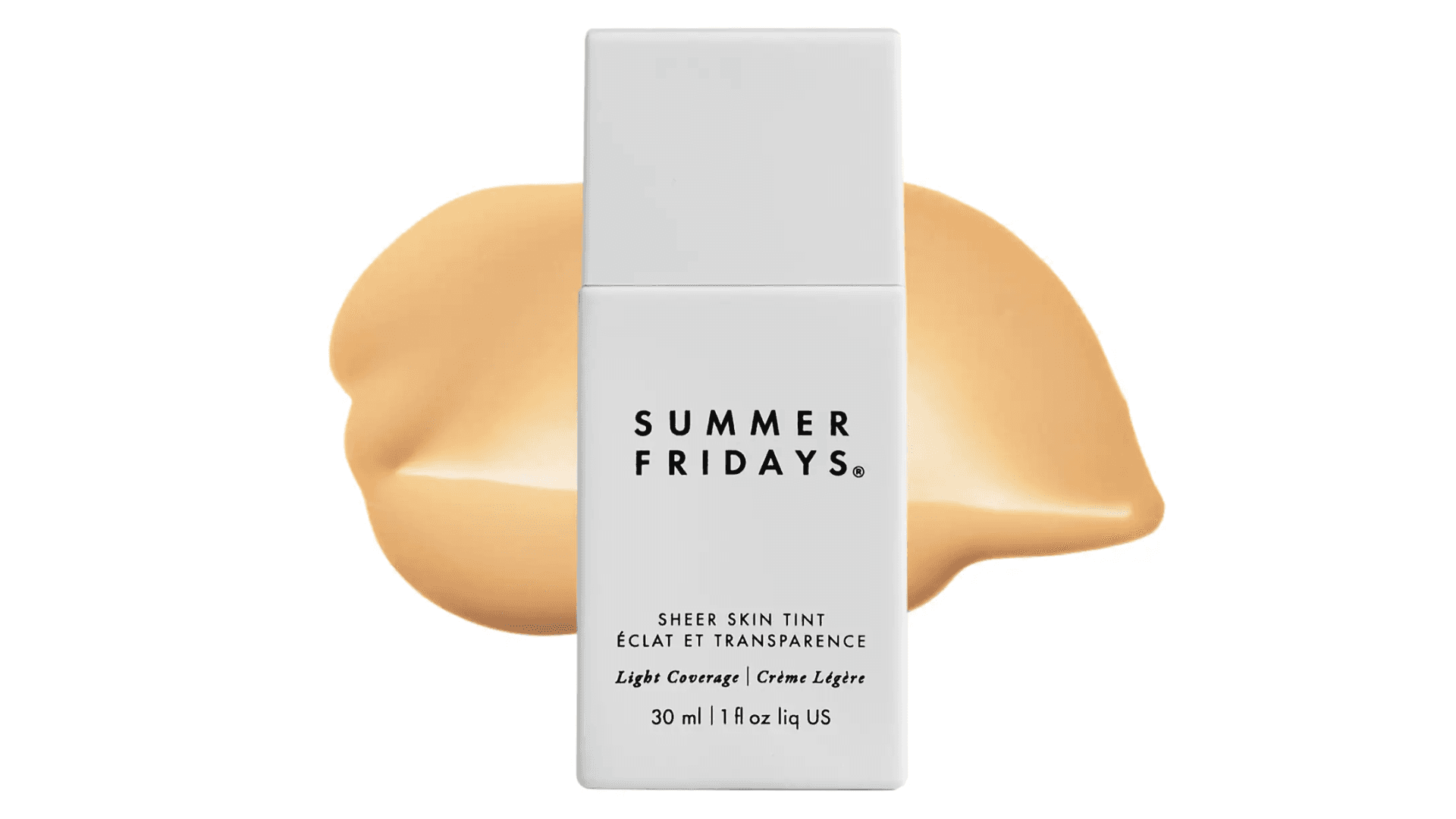
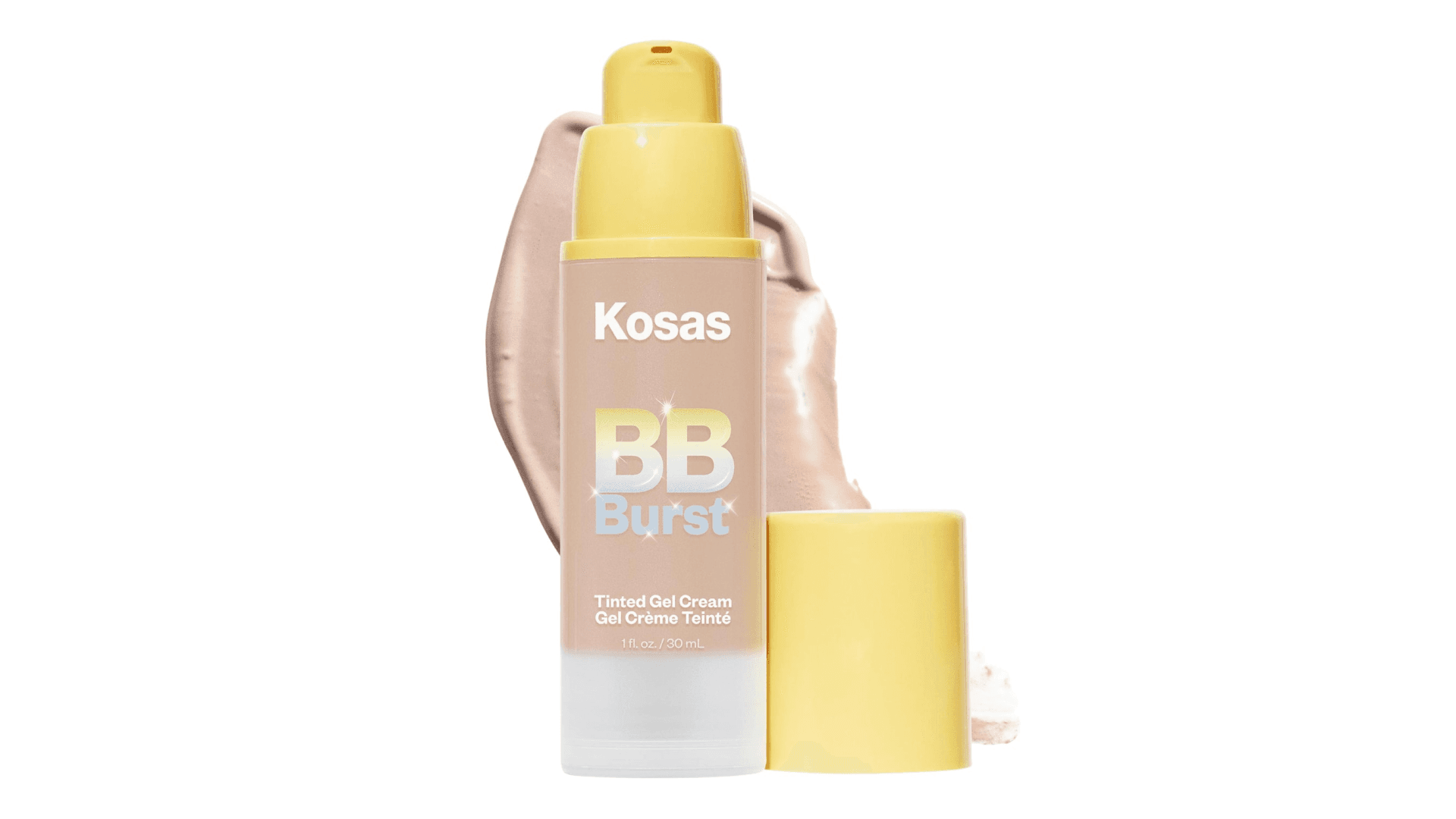
This skin tint that feels super lightweight...
Formulation: Liquid skin tint
Skin Types: Dry or sensitive
Skin benefits: Soothing, plumping, hydrating
Highlighted ingredients: Tiger grass, glycerin, hyaluronic acid, squalane, vitamin E, safflower, avocado oil
Shades: 10
Finish: Natural
Cruelty-free?: Yes
Size: 1 oz.
Pros:
Delivers a natural, no-makeup makeup finish
Hydrates and soothes skin
Feels light and breathable
Cons:
Coverage is extremely sheer, and may not be enough for some complexions
Contains oils that may cause breakouts on acne-prone complexions
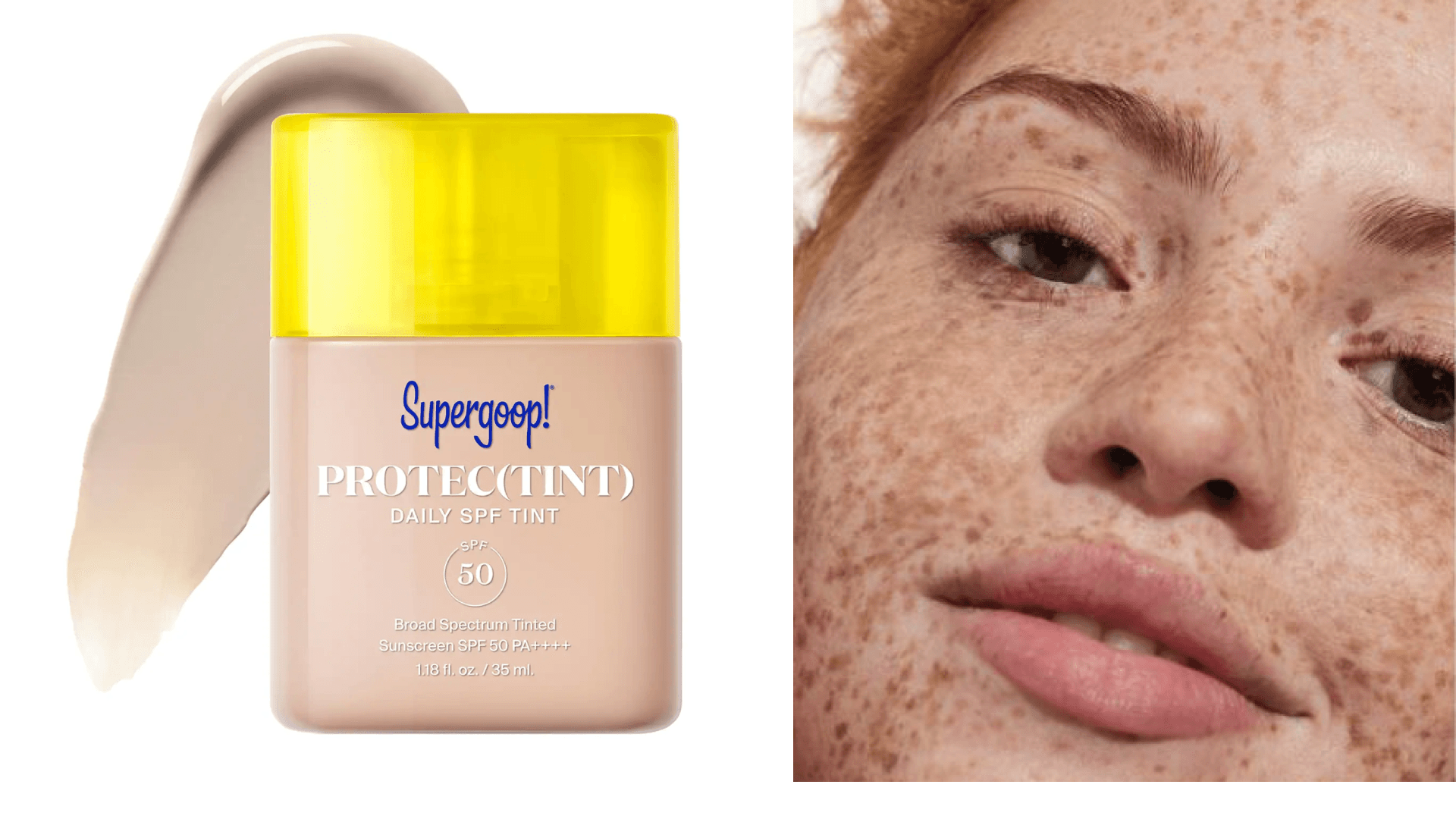
This tinted sunscreen that helps protect your skin against pollution...
Formulation: Liquid tinted SPF
Skin Types: Dry, combination, normal
Skin benefits: SPF 50, antioxidant protection, hydration
Highlighted ingredients: Ectoin, hyaluronic acid-infused clay, SPF 50
Shades: 14
Finish: Natural
Cruelty-free? Yes
Size: 1.18 oz.
Pros:
SPF 50
Offers antioxidant protection to defend against environmental aggressors (like UV, pollution, and blue light) that cause visible signs of skin aging
Hydrates and calms skin; balances oil production
Cons:
Would love to see a wider shade range
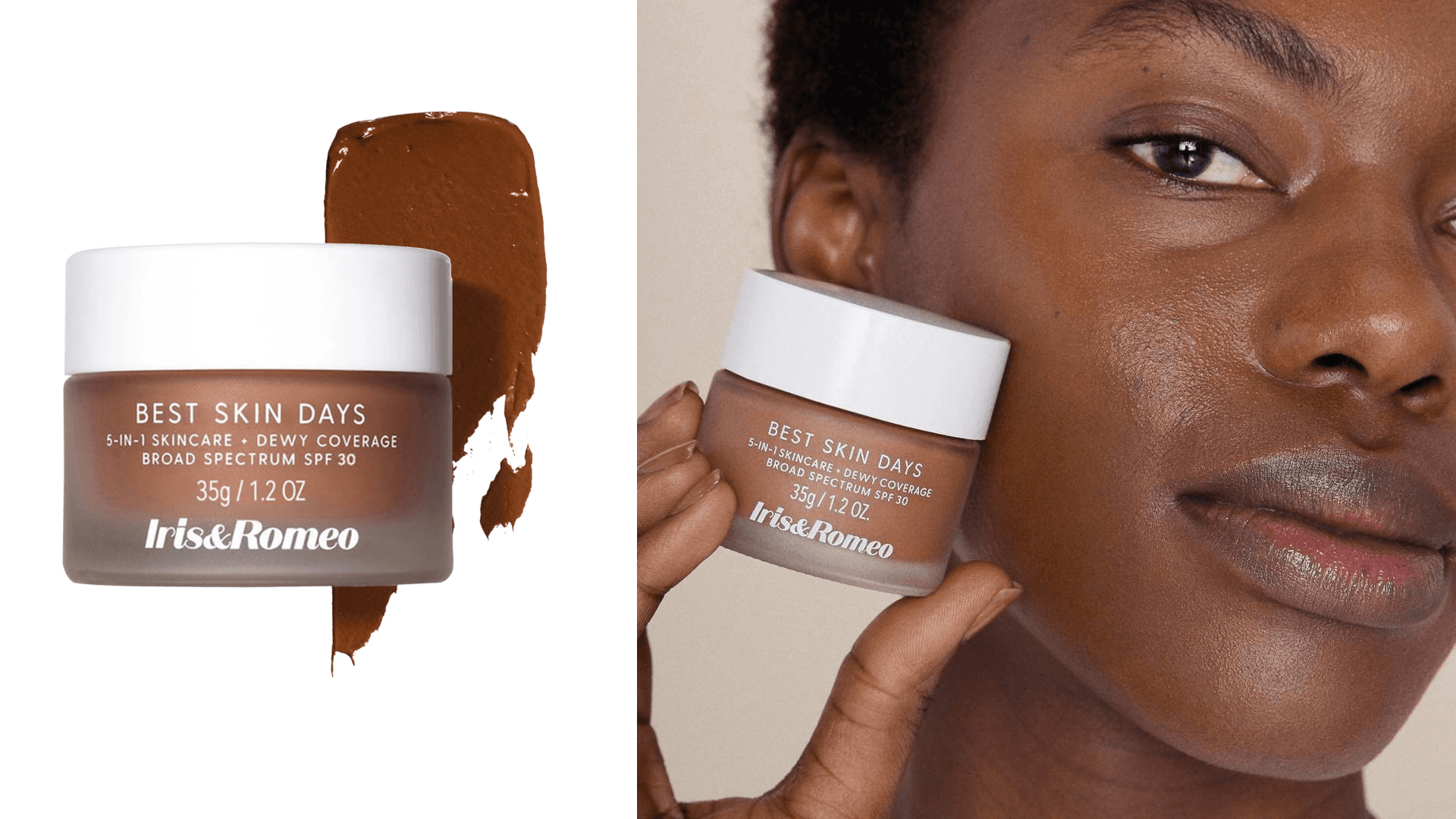
This tinted moisturizer that makes your skin glow...
Formulation: Whipped cream
Skin types: All
Skin benefits: SPF 30, hydrating, firming, plumping, brightening
Highlighted ingredients: Sodium hyaluronate, vitamin C, Bulgarian rose
Shades: 12
Finish: Natural
Cruelty-free?: Yes
Size: 1.2 ounces
Pros:
Great for all skin types
Doubles as an antioxidant serum and sunscreen
Can be built up for medium coverage
Cons:
Shades are flexible and inclusive, but would love to see more of them
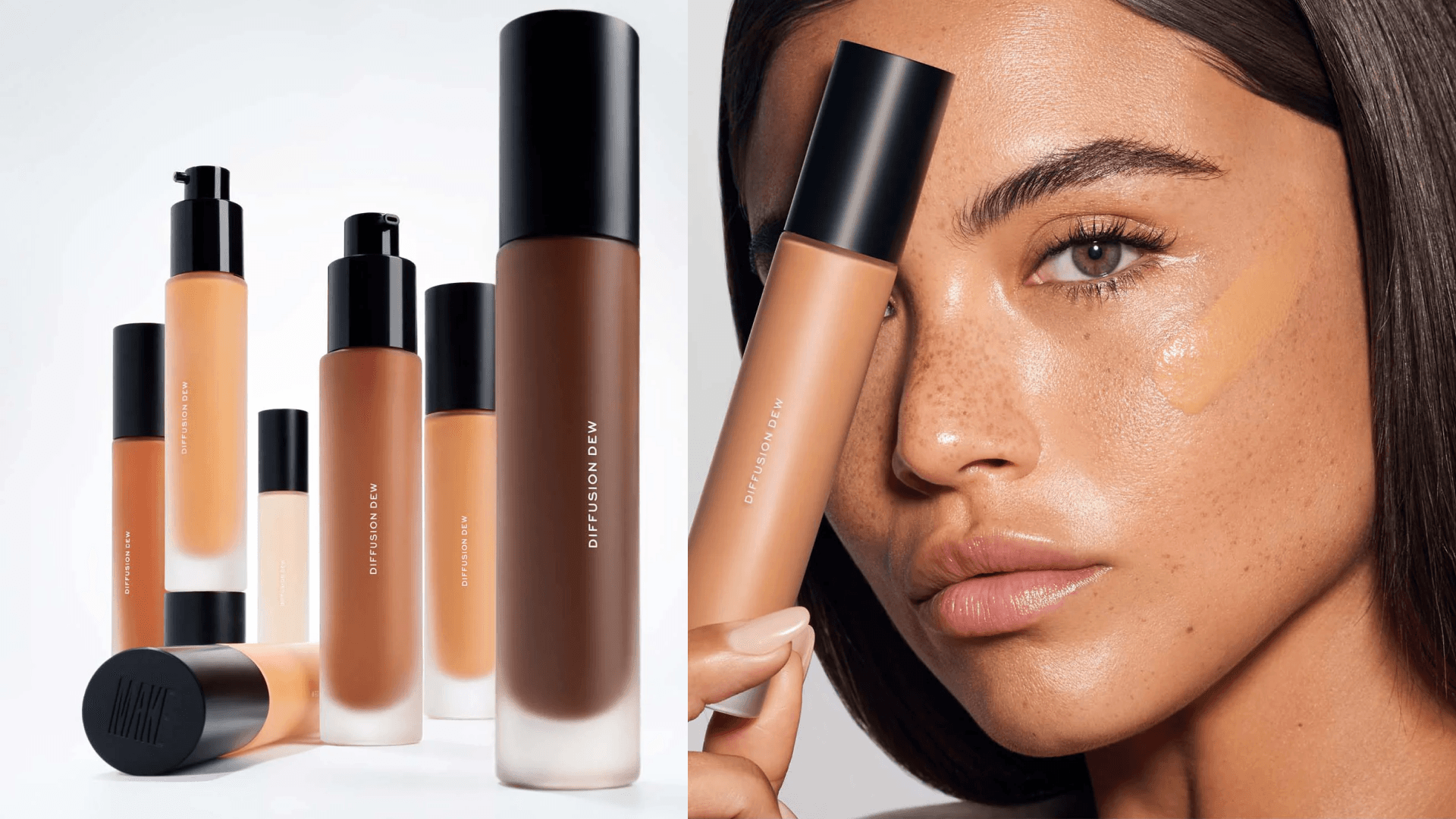
This pick that smooths fine lines...
Formulation: Liquid skin tint
Skin types: All
Skin benefits: Brightening, smoothing, skin-tone evening, oil balancing
Highlighted ingredients: Adenosine, niacinamide
Shades: 12
Finish: Radiant
Cruelty-free?: Yes
Size: 1 oz.
Pros:
Works for all skin types
Offers a blurring, skin-tone evening effect with a radiant finish
Smooths fine lines, balances oil production, brightens skin
Cons:
May not be hydrating enough for drier complexions
Medium coverage
“Medium coverage describes a foundation that creates an even canvas while maintaining a natural skin finish,” says Baraf. This foundation coverage level is the most commonly requested because it’s buildable, meaning that however much you slather on will affect whether it’s a lighter finish or more full coverage.
“One thin layer may still show your freckles a little bit, but with another, you’ll start to cover them,” says Ray. What’s more, by mixing your moisturizer with a medium-coverage foundation, you can sheer it out just enough for your summer shade to work in the winter as well. “Sometimes you can mix in a little bit of moisturizer to sheer medium coverage foundations out and make the same shade last throughout the year.”
What type of foundation is best for medium coverage?
The majority of foundations on the market tout themselves as “medium coverage,” so there are plenty of options to choose from. Liquids and creams tend to be best because they’re easy to build, but you can also find some great products in stick and powder formats.
How to properly apply medium coverage foundation
Using a medium-coverage foundation is a sort of “choose your own adventure” experience, because you can totally customize how much product you’re getting on certain spots on your face. For best results, start your application at the center of your face then work your way out toward your cheeks, jawline, and hairline.
“I like to start at the center of the face where there are naturally more shadows and discoloration,” Roxy Saffaie, a Burt’s Bees celebrity makeup artist, previously said. This way, the areas that tend to have the most pigmentation (like your nose and the dark circles under your eyes) get the most concentrated coverage. “[Then], as you blend the color outward, you might not need any extra makeup over on cheeks. You can sheer it out, and that’s how it will look the most natural.” From there, you can go back in and dab a little more product on any spots that need more coverage, or simply add concealer where you need it.
The best medium coverage foundation
This option which won't irritate sensitive skin...
Formulation: Liquid
Skin Types: All (great for dry and sensitive)
Skin benefits: Plumping, hydrating, calming, skin-barrier strengthening
Highlighted ingredients: Copper peptides, saccharide isomerate sodium PCA, zinc
Shades: 24
Finish: Natural
Cruelty-free?: Yes
Size: 1 oz.
Pros:
Great for all skin types
Easy to blend
Delivers hydrating, plumping, and soothing benefits; clinically proven to increase hydration 230 percent after 4 weeks of use
Cons:
Shades are flexible, but would love to see more of them
This skin tint that feels super lightweight...
Formulation: Liquid skin tint
Skin Types: Dry or sensitive
Skin benefits: Soothing, plumping, hydrating
Highlighted ingredients: Tiger grass, glycerin, hyaluronic acid, squalane, vitamin E, safflower, avocado oil
Shades: 10
Finish: Natural
Cruelty-free?: Yes
Size: 1 oz.
Pros:
Delivers a natural, no-makeup makeup finish
Hydrates and soothes skin
Feels light and breathable
Cons:
Coverage is extremely sheer, and may not be enough for some complexions
Contains oils that may cause breakouts on acne-prone complexions
This tinted sunscreen that helps protect your skin against pollution...
Formulation: Liquid tinted SPF
Skin Types: Dry, combination, normal
Skin benefits: SPF 50, antioxidant protection, hydration
Highlighted ingredients: Ectoin, hyaluronic acid-infused clay, SPF 50
Shades: 14
Finish: Natural
Cruelty-free? Yes
Size: 1.18 oz.
Pros:
SPF 50
Offers antioxidant protection to defend against environmental aggressors (like UV, pollution, and blue light) that cause visible signs of skin aging
Hydrates and calms skin; balances oil production
Cons:
Would love to see a wider shade range
This tinted moisturizer that makes your skin glow...
Formulation: Whipped cream
Skin types: All
Skin benefits: SPF 30, hydrating, firming, plumping, brightening
Highlighted ingredients: Sodium hyaluronate, vitamin C, Bulgarian rose
Shades: 12
Finish: Natural
Cruelty-free?: Yes
Size: 1.2 ounces
Pros:
Great for all skin types
Doubles as an antioxidant serum and sunscreen
Can be built up for medium coverage
Cons:
Shades are flexible and inclusive, but would love to see more of them
This pick that smooths fine lines...
Formulation: Liquid skin tint
Skin types: All
Skin benefits: Brightening, smoothing, skin-tone evening, oil balancing
Highlighted ingredients: Adenosine, niacinamide
Shades: 12
Finish: Radiant
Cruelty-free?: Yes
Size: 1 oz.
Pros:
Works for all skin types
Offers a blurring, skin-tone evening effect with a radiant finish
Smooths fine lines, balances oil production, brightens skin
Cons:
May not be hydrating enough for drier complexions
Full coverage
To make your complexion look completely even-toned, full coverage foundation is the way to go—it’s the best of the bunch in terms of makeup for covering spots on your skin. “Full coverage foundation is meant to completely cover the skin,” says Baraf. These formulas have higher concentrations of pigments than their lighter-coverage counterparts and tend to be thicker, more opaque, and longer-lasting.
What type of foundation is best for full coverage?
It’s fairly easy to find a full coverage cream, liquid, or mousse, but if you’re looking for something really heavy-duty, opt for a stick. While it’s gotten easier to find full-coverage foundations with more radiant-looking finishes, traditionally, they’ve mostly been available in mattes and satins. These formulas tend to be helpful for those looking to cover skin conditions, like eczema, acne, and psoriasis.
How to apply full coverage foundation
If you’re using a liquid full coverage foundation, you’ll want to double up on application tools. “I’d recommend starting with a foundation brush, and then layering and blending with a Beautyblender,” says makeup artist Neil Scibelli. “The combo really helps to even the distribution of product to the skin without looking cakey.” Just be sure to avoid pressing down on the skin or using sweeping motions with the sponge, as it will move around the product instead of layering it.
If you’re looking to get full coverage out of your favorite powder, simply use a dense brush (instead of your usual fluffy one) to get the right concentration when you apply. And if you want to lighten up your full-coverage favorite, simply mix it with a bit of moisturizer before you apply.
The best full coverage foundation
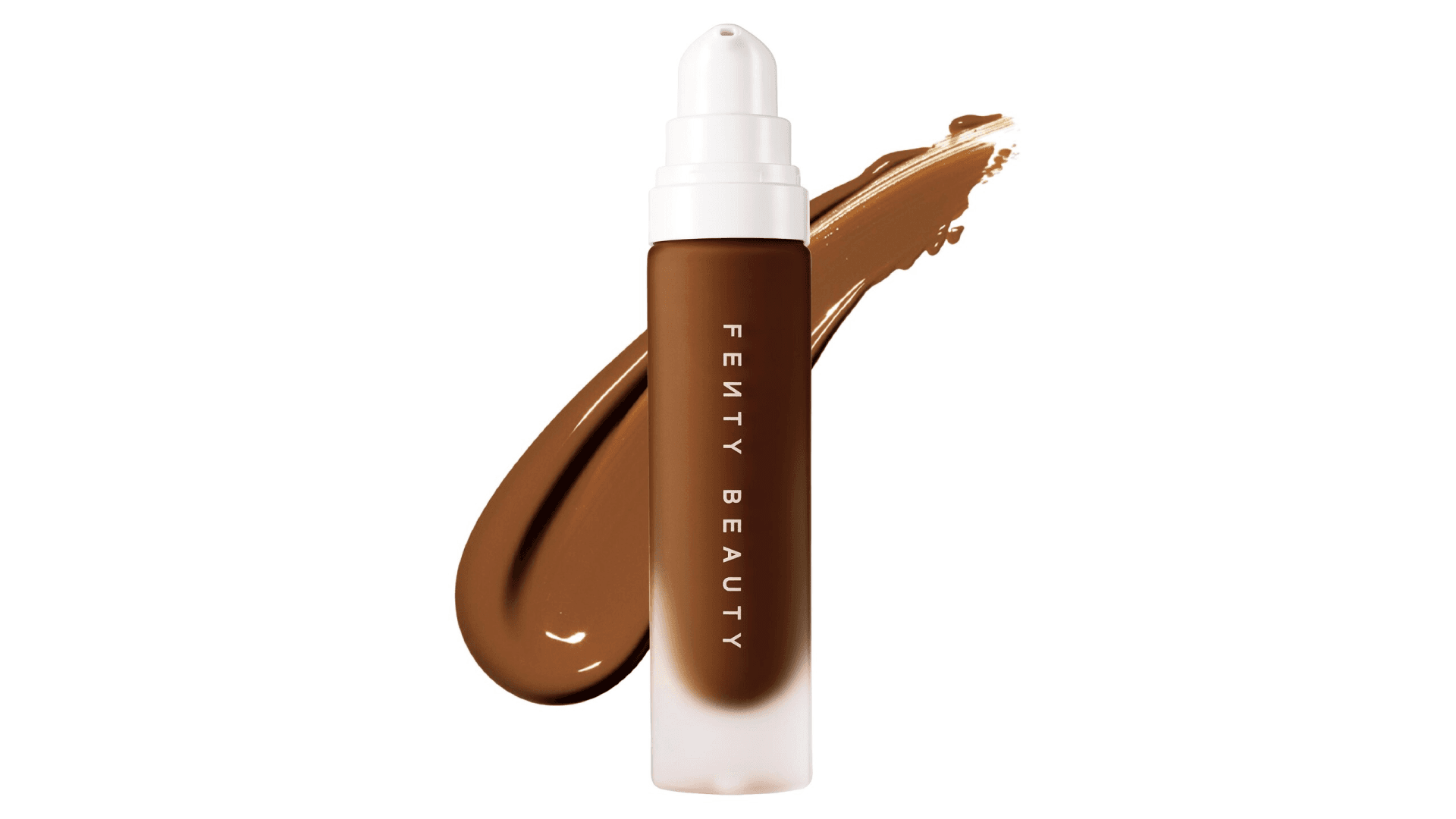
This long-lasting foundation that fights heat, shine, and sweat...
Formulation: Liquid
Skin types: Oily, combination
Skin benefits: Reduces shine
Shades: 50
Finish: Matte
Cruelty-free?: Yes
Size: 1.08 oz.
Pros:
Long-lasting; made with climate-adaptive technology to stand up to heat and sweat without caking or melting
Blurs pores, reduces shine
Expansive shade range
Cons:
Does not offer additional skin benefits
May be drying on certain complexions
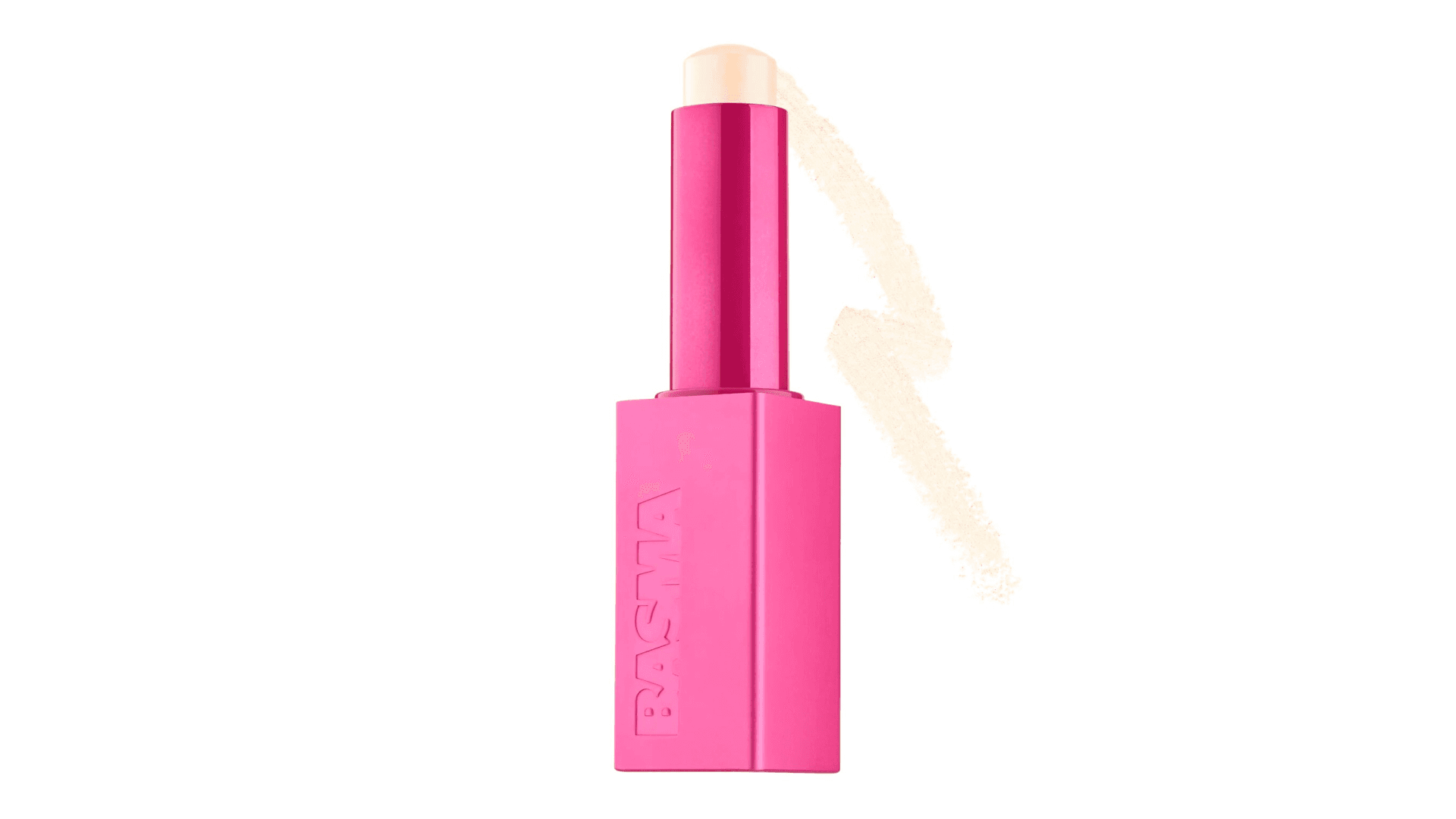
This foundation stick that feels so hydrating...
Formulation: Stick
Skin types: Dry, combination
Skin benefits: Hydrating, softening
Highlighted ingredients: Vitamin E, aloe vera extract, apricot butter
Shades: 40
Finish: Natural
Cruelty-free?: Yes
Size: 0.22 oz.
Pros:
One of the few full-coverage sticks on the market that’s hydrating enough for dry skin
Super soft; glides on like butter
Blendable and buildable
Doubles as a concealer
Expansive shade range
Cons:
May make dry patches look more pronounced on super-dry skin
May pill when layered on top of certain skin-care products
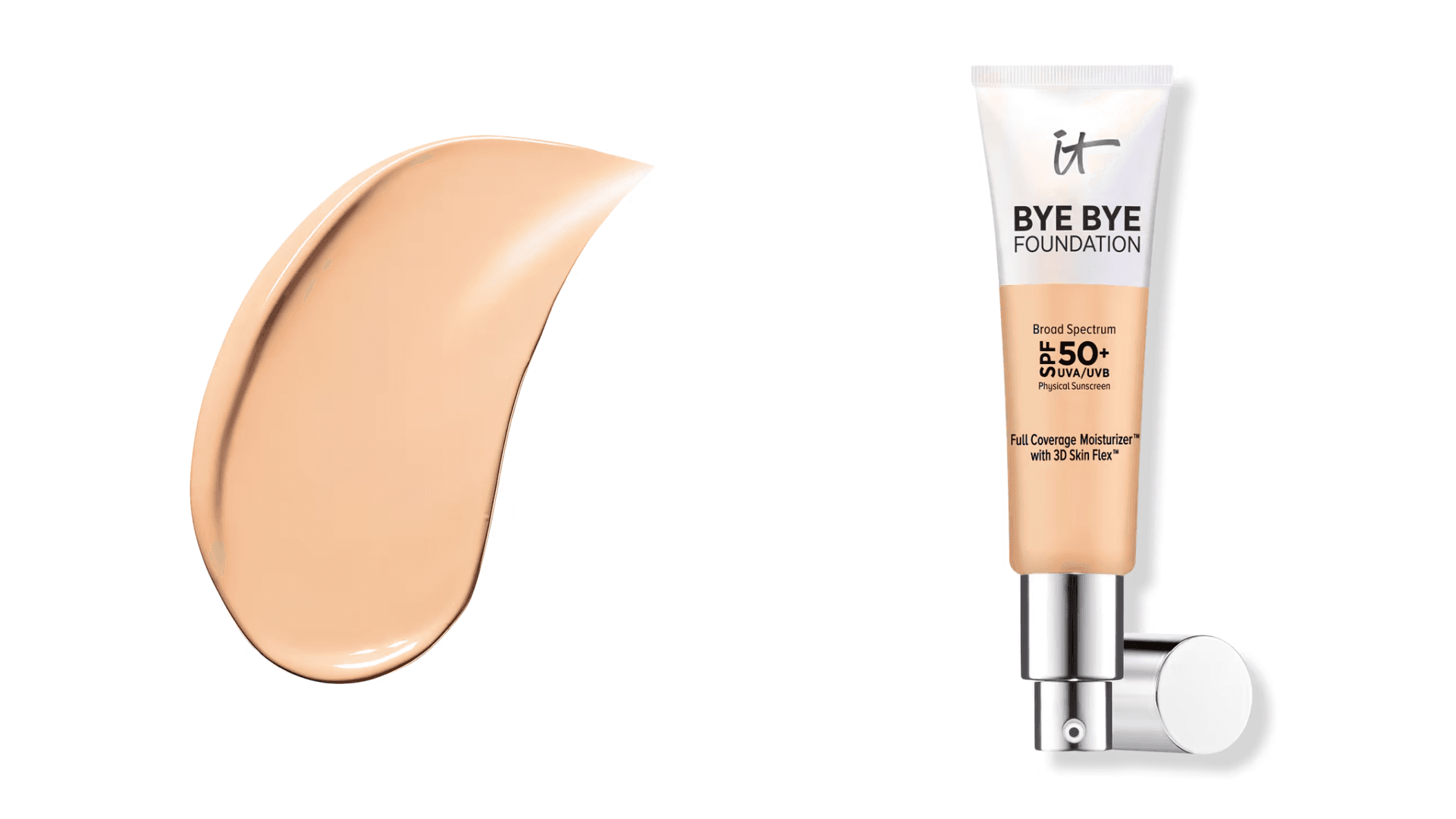
This foundation that's so flexible it won't settle into fine lines...
Formulation: Cream
Skin types: All (particularly great for mature skin)
Skin benefits: Sun protection (SPF 50), hydrating, plumping, soothing
Highlighted ingredients: Zinc, titanium dioxide, hyaluronic acid, niacinamide, vitamin E
Shades: 22
Finish: Natural
Cruelty-free?: Yes
Size: 1.08 oz.
Pros:
Contains SPF 50
Won’t sink into fine lines and wrinkles thanks to the brand’s 3D Skinflex Technology
Contains SPF 50 plus antioxidant protection
Cons:
May cake on oily skin
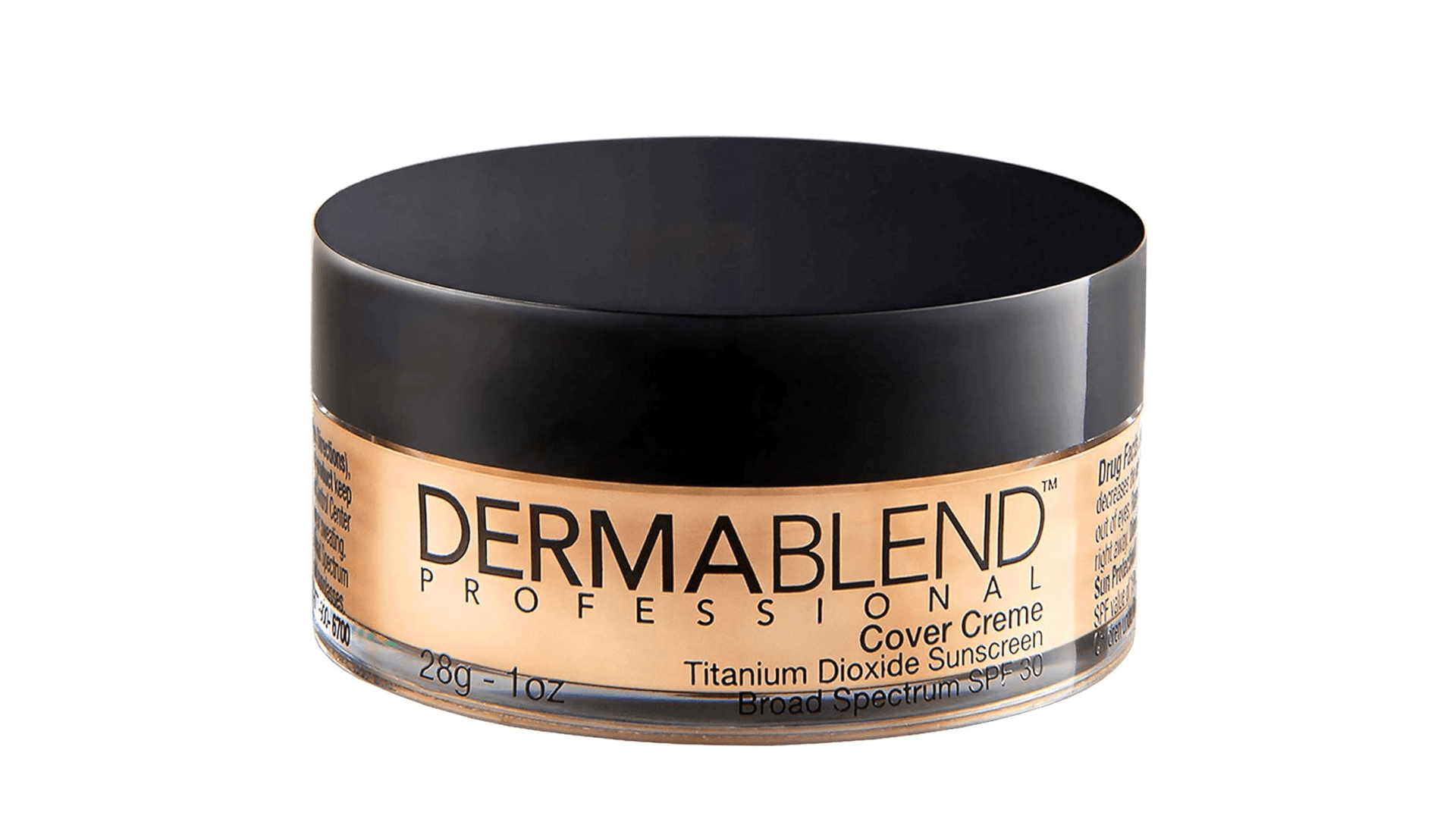
This best-selling foundation that makes your skin look so smooth...
Formulation: Cream
Skin types: All (particularly great for sensitive skin and those with skin concerns like eczema, psoriasis, and acne)
Skin benefits: Barrier-strengthening
Highlighted ingredients: Titanium dioxide
Shades: 21
Finish: Natural
Cruelty-free?: Yes
Size: 1 oz.
Pros:
One of the fullest-coverage foundations on the market
Great for skin concerns including eczema, rosacea, psoriasis, and vitiligo
SPF 30
Long-lasting (up to 16 hours of wear)
Cons:
May be too heavy, depending on your preference
Limited shade range for deeper complexions
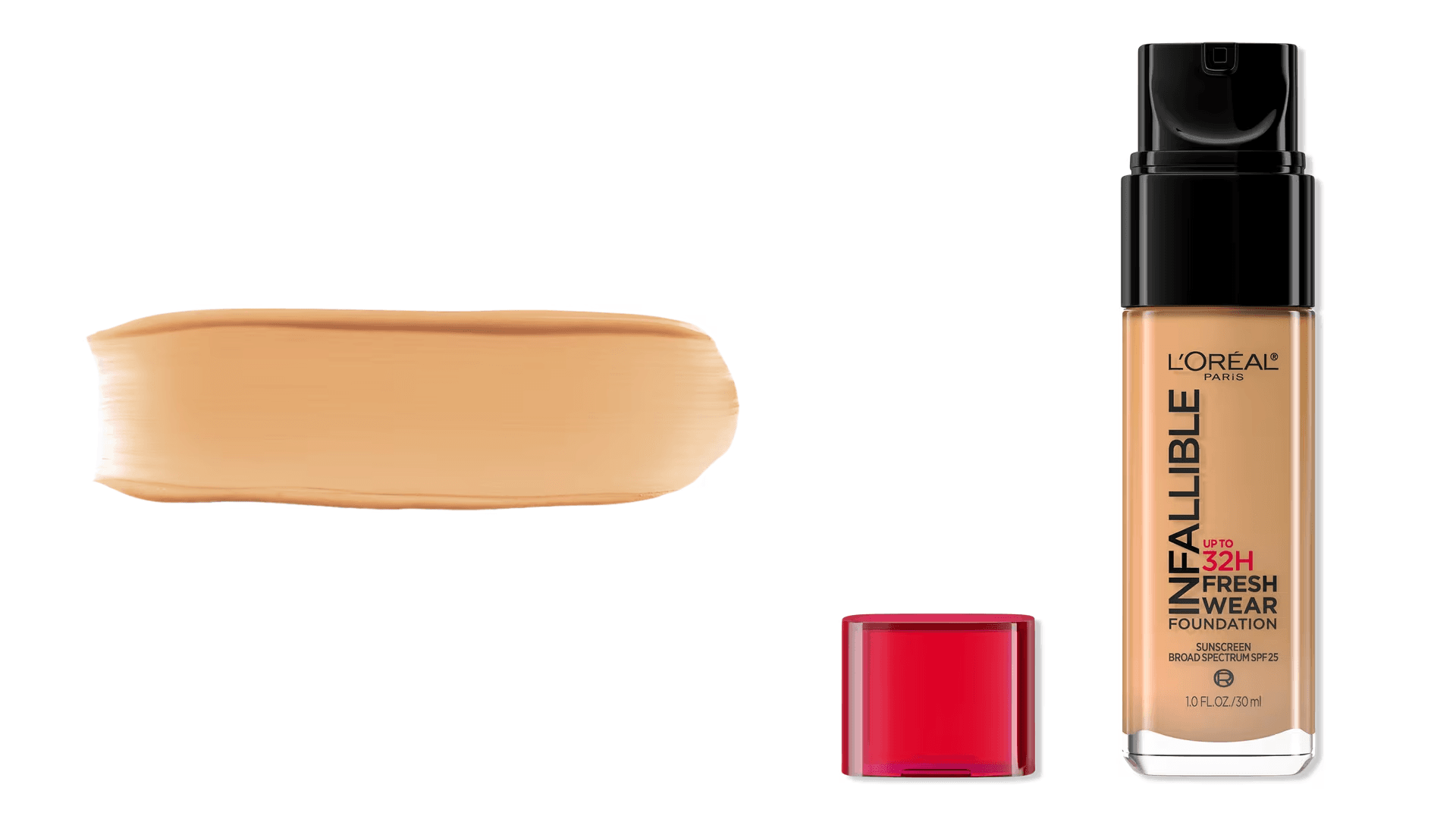
This foundation that won't transfer...
Formulation: Liquid
Skin types: All
Skin benefits: Sun protection, reduces shine
Highlighted ingredients: Titanium dioxide
Shades: 30
Finish: Natural
Cruelty-free?: No
Size: 1 oz.
Pros:
Transfer-proof and long-lasting (up to 24 hours of wear)
Contains oil-absorbing ingredients that prevent caking and melting
Breathable and buildable
Available at the drugstore
Cons:
Not cruelty-free
Needs to be layered with additional sunscreen for proper daily protection
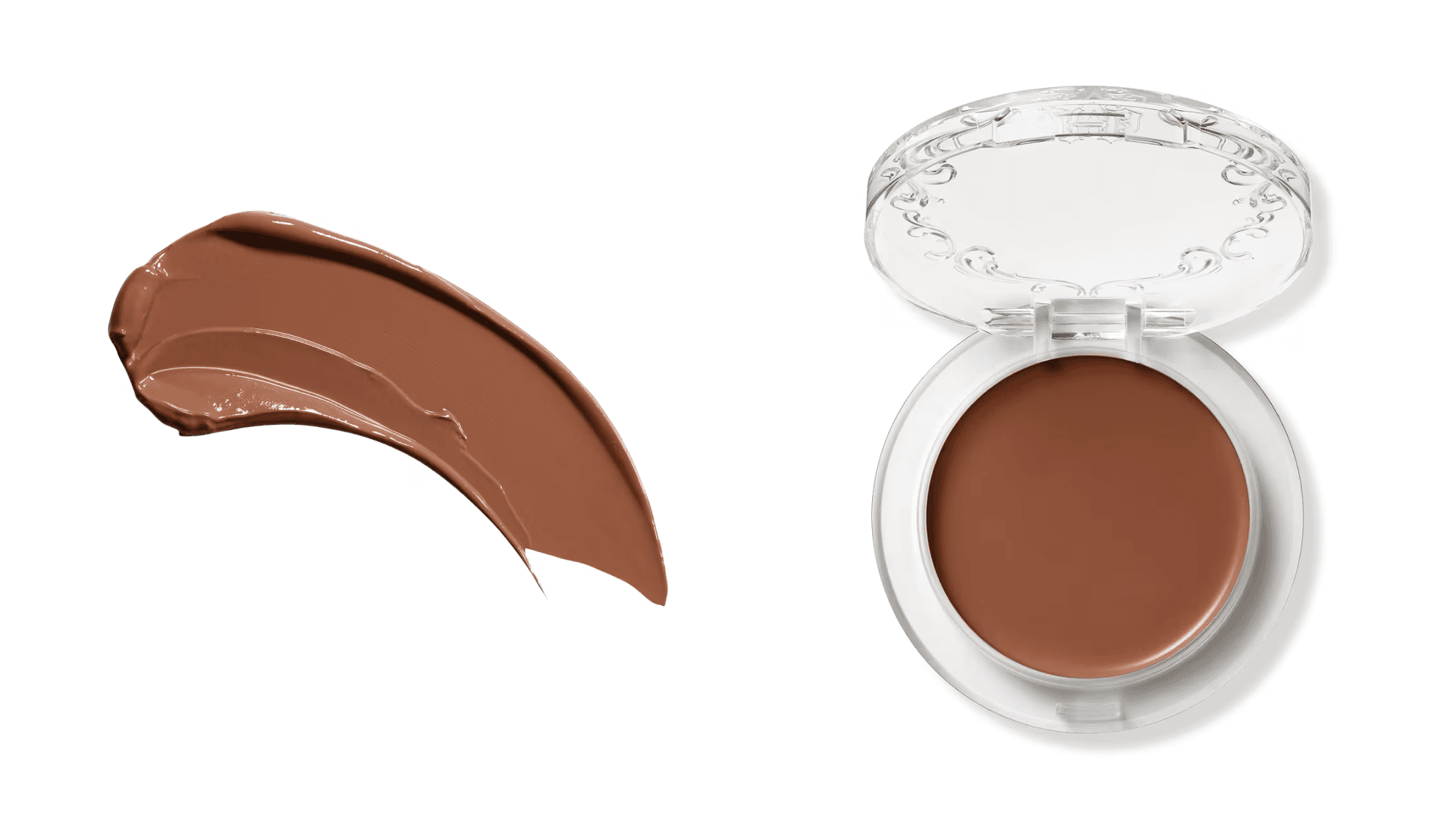
This pick with a matte finish...
Formulation: Balm
Skin types: Dry
Skin benefits: Hydrating
Highlighted ingredients: Apple extract, sodium hyaluronate
Shades: 40
Finish: Dewy matte
Cruelty-free?: Yes
Size: 0.35 oz.
Pros:
Delivers a matte finish without looking (or feeling) dry
Lightweight
Buildable
Non-comedogenic
Cons:
May feel greasy on oily complexions
How to prep skin for foundation
Just as important as the product you’re using is the canvas you’re applying it on top of. No matter what type of foundation you’re using, be sure your skin is clean and moisturized. Additionally, if you want to ensure your foundation stays flawless and in place all day, use a silicone or water-based primer to ensure a solid grip.
Final takeaway
Ultimately, deciding between light, medium, and coverage foundation comes down to personal preference. For a more natural finish, go with something light; for a product that will lightly cover your skin while still letting your natural features peek through, opt for medium coverage; and if you really want to cover up, invest in a full-coverage formula. Each can be tailored to your specific needs depending on your application technique, but know that you don’t have to limit yourself to just one—a full foundation wardrobe will keep you covered for any occasion.