Good morning.
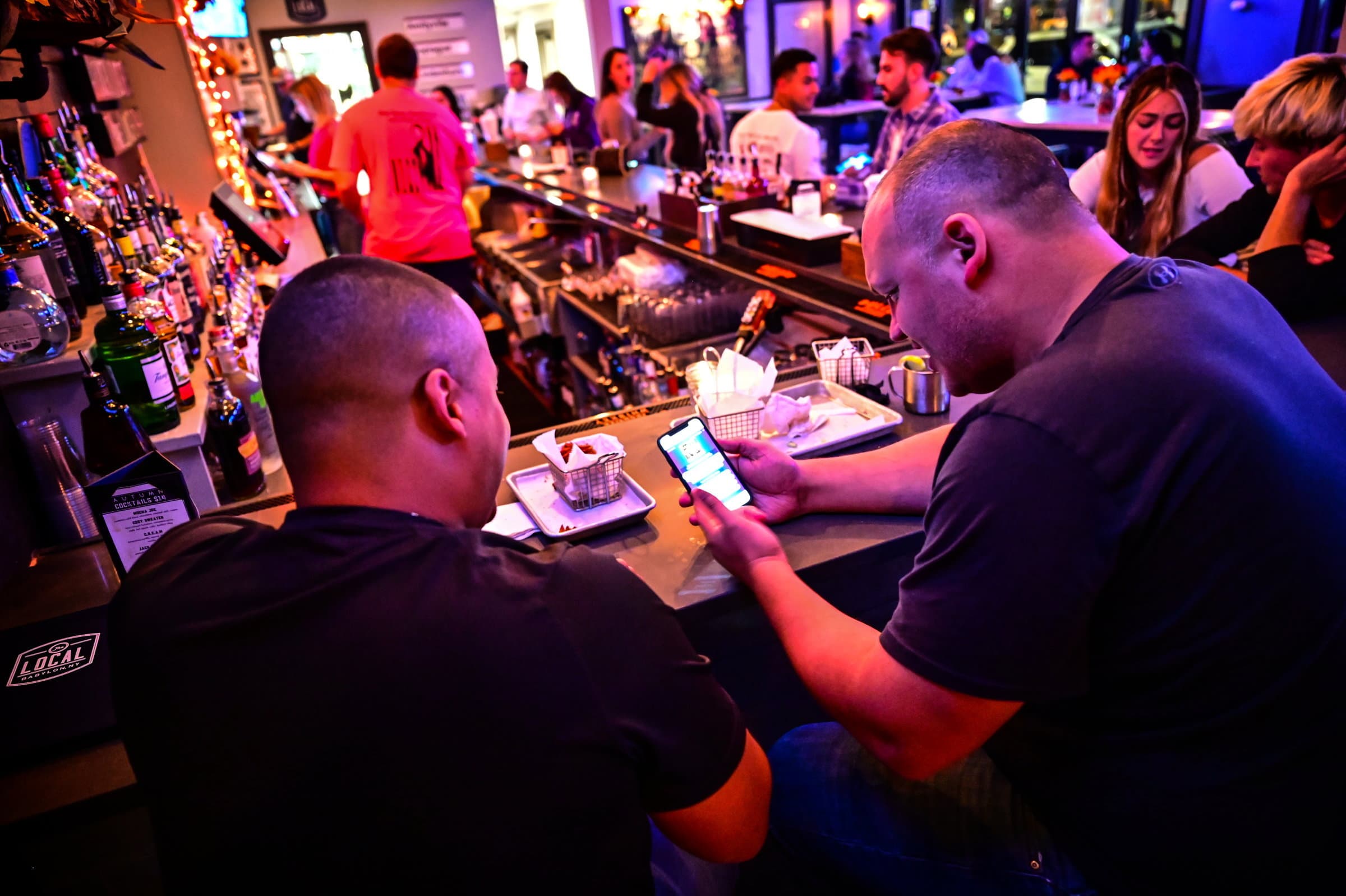
It's the week we've all been waiting for (and no, I’m not talking about this summer’s most anticipated wedding). The World Cup officially kicks off on Thursday. While I won’t walk to New Jersey for the subsequent festivities (and you shouldn’t either), I will happily make the much shorter trek to my local beer garden. Around here, it’s a family affair. My boys love soccer and wear their Christian Pulisic jerseys year-round, husband included — but now they have an excuse to double down. If you’re anything like me and have spent more time focused on the snacks that pair well with penalty shoot-outs than the actual teams, The New York Times has the CliffsNotes for you: all 48 teams, who to watch, and what to expect. This year’s tournament also features four World Cup debutants, proving it’s never too late. As for preparation, Norway's recent training session went viral as the team attempted to acclimate to the heat in the only way men know how. My own training camp consisted of taking CNN's World Cup quiz, where I learned that years of overhearing soccer debates at home have finally paid off. See you on the other side of the inevitable upset.
— Marina Carver / Senior Editor / Brooklyn, NY
Health
A New(ish) Approach to Breast Cancer Risk
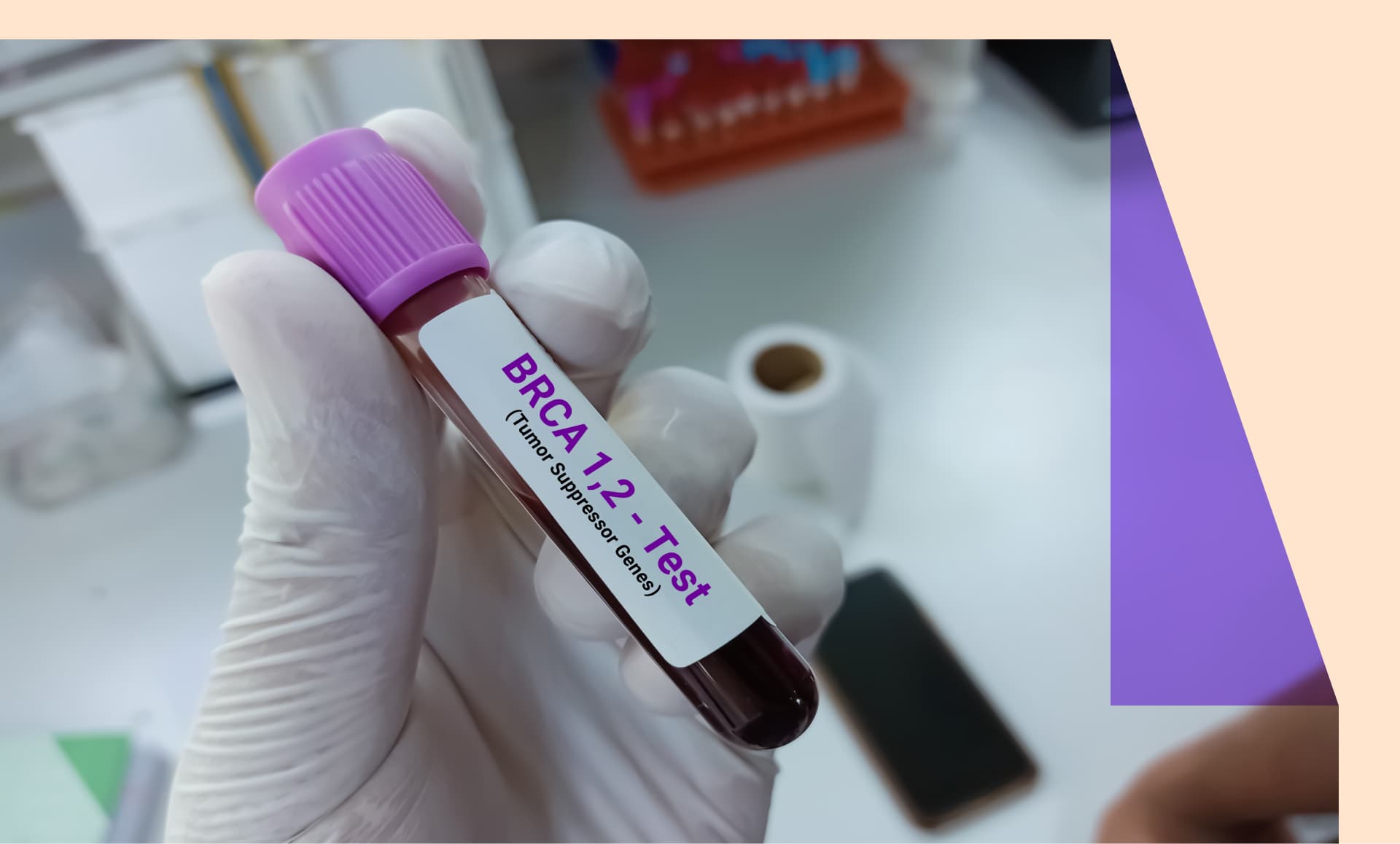
The prevention shift: It’s been over a decade since Angelina Jolie had a prophylactic double mastectomy at 37. This was after she learned she had the BRCA1 mutation, which significantly increased her risk of breast cancer. At the time, she shattered a taboo. Now many women with BRCA genes opt for similar surgeries, knowing they could reduce the odds of developing cancer by up to 95%. One surgeon told The Wall Street Journal that close to 20% of his cases are now prophylactic. Other doctors say they see people make this choice at younger and younger ages. This comes as the rates of certain cancers are on the rise for folks under 50, with breast cancer rates in women under 45 climbing 1.1% every year for the decade leading up to 2022. Not exactly reassuring.
What’s behind the change: Genetic testing has become much more affordable, thanks in part to a Supreme Court decision that decided companies can’t patent human genes (yes, that was really a thing). Mastectomy and reconstructive technologies have also improved. Those changes, along with high-profile stories like Jolie’s, have led more people with BRCA mutations to choose bilateral risk-reducing mastectomies. However, doctors note that it’s not the only option. Some patients choose physical exams every six months, along with regular imaging, while others could opt for hormone therapy. Many prefer those less-invasive approaches, since mastectomies are major surgeries. Double mastectomies also eliminate the possibility of breastfeeding. Some experts worry social media increasingly pushes people toward one option over another. But in reality, the decision requires nuanced, individualized conversations with your doctors and genetic counselors.
Related: GLP-1s for Breast Cancer? It’s Time for a Clinical Trial (MedPage Today)
The News in 5
🗞️ Israel and Iran traded strikes on Monday, amid the greatest escalation since the April ceasefire and after 100 days of war.
🗞️ President Donald Trump stormed out of a Meet the Press interview — and what he said on his way out is something.
🗞️ Anti-vax dating apps have now gone IRL — and the meetups are already causing a scene.
🗞️ Hunter Biden is in his influencer era, and a very unexpected right-wing host helped him launch it. "I've heard you call me a crackhead many times,” is not how most “charm offensives” kick off, but here we are.
🗞️ Thank goodness, someone is addressing this critical under-the-sea problem. Peach from Finding Nemo would approve.
Brain Food
The Bad News Buffet
What's going on: Ultraprocessed foods are ubiquitous. They’re easy to prep, often more affordable, and, let’s be real, most are delicious. But increasing evidence casts doubt on our beloved Gushers and hot dogs. A new study published in the American Journal of Public Health found that US adults who ate the most ultraprocessed foods (UPFs) had a 58% higher risk of dementia and a 46% higher risk of cognitive impairment than those who ate lower amounts. The link was observational, but comes on top of research that links UPFs to heart disease, diabetes, and certain cancers. Meanwhile, unprocessed foods also have their problems — experts say fruits and veggies carry fewer key nutrients than they did in the 1950s, due to rising CO2 rates. Not even chickpeas and tomatoes are as healthy as they used to be. Rough.
Sooo, what should we actually eat?: Short of growing your own kale, you can't fully opt out of UPFs. This is less about willpower than logistics. Nearly 70% of foods at the store are highly processed, and “UPF” is a sprawling umbrella term. The good news: It's not all-or-nothing. A separate study found that swapping UPFs for more whole and minimally processed foods over five to six years was linked to a 12% lower risk of cognitive decline. There are a few good places to start, like whipping up your own salad dressing or flavoring your yogurt with fruit. And remember, it's not all on you to change the system. There’s rare bipartisan agreement in Congress on a push for front-of-package warning labels. Still, experts worry those could vilify foods like prepackaged whole-grain bread, certain yogurts, and other technically ultraprocessed-but-relatively-nutritious items. We can’t win.
Related: 6 Smart Ways to Eat for Your Brain (Harvard Health Publishing)
PS: Let your group chat know the real health story behind the headlines. Every Wednesday, we break down the stories and trends to give you the need-to-know in health, nutrition, and fitness in our weekly Well + Good newsletter. Sign up here.
Touch Grass
The Body-Image Boost You Didn't See Coming
What’s going on: The Great Outdoors deserves the nickname. A recent global study from the UK’s Anglia Ruskin University found that spending quality time in nature was linked to improved life satisfaction and body appreciation. Why? One major reason is that natural settings tend to feel peaceful, creating what researchers call “cognitive quiet.” Even if you hear rustling leaves or (literal) crickets, nature can help drown out the mental chatter that follows us through daily life. It’s also refreshingly nonjudgmental. A walk through the woods won’t compare you to an influencer or push impossible beauty standards. Researchers weren’t surprised to find a link between nature and self-esteem (their initial 2022 UK study confirmed this). What stood out was how universal the feeling was among 50,000 people across 58 countries.
How to get more out of it: Fully unlocking nature’s benefits is a little like meditating. Start by staying present. Pocket that phone; every glance at a screen pulls your attention elsewhere. Quality is more important than quantity: A few minutes of genuine connection with your surroundings could be more powerful than an hours-long hike. And don’t forget your gratitude journal — researchers say to be mindful and pause to process how nature makes you feel. Stop, smell the roses, then take it all in. As for finding your happy (and green) place, don’t overthink it. Even in a concrete jungle, nature can be as close as a desk plant, a patch of grass, or a few minutes spent staring out the window. La vie en rose really can be that simple.
Related: National Parks Have Too Many Tourists. Maybe That’s a Good Thing. (Outside)
Quick Hits
💊 Doctors warn taking too much of a common cabinet staple is the leading cause of acute liver failure in the US. Everything in moderation.
😴 A sleep scientist swears by these four items to get consistently good rest in the summer. We support anything that keeps us from sticking to the sheets.
📺 Scandal’s Kerry Washington and Tony Goldwyn just reunited — and they have a very specific theory about where Olivia and Fitz are right now. Hint: It’s not the Oval Office…
💪 It’s not the sweetest option, but this one kind of juice may help you work out harder and recover faster. Your blender is about to get weird.
🌱 Not all houseplant departments are created equal, and interior designers say there’s one big-box store with the best selection. Keeping them alive is another story.
💅 A surprising new nail trend seems to be inspired by social media — but not in the way you think. You might already be ahead of the curve.
On Our Calendar
Monday, June 8
💃 Diane Keaton memorabilia auction begins
Diane Keaton: The Architecture of an Icon launches with a live auction, plus three online. Up for grabs: the 1977 Annie Hall script.
⚖️ Trial begins for Palisades Fire suspect
Jury selection starts in the case against Jonathan Rinderknecht — though the judge has concerns.
👭 National Best Friends Day
Call your BFF. Make the plan to hang. Or get her the 2026 version of those middle school friendship necklaces.
Psst…this is just the preview: Subscribe to the full Skimm+ calendar and never miss a moment.
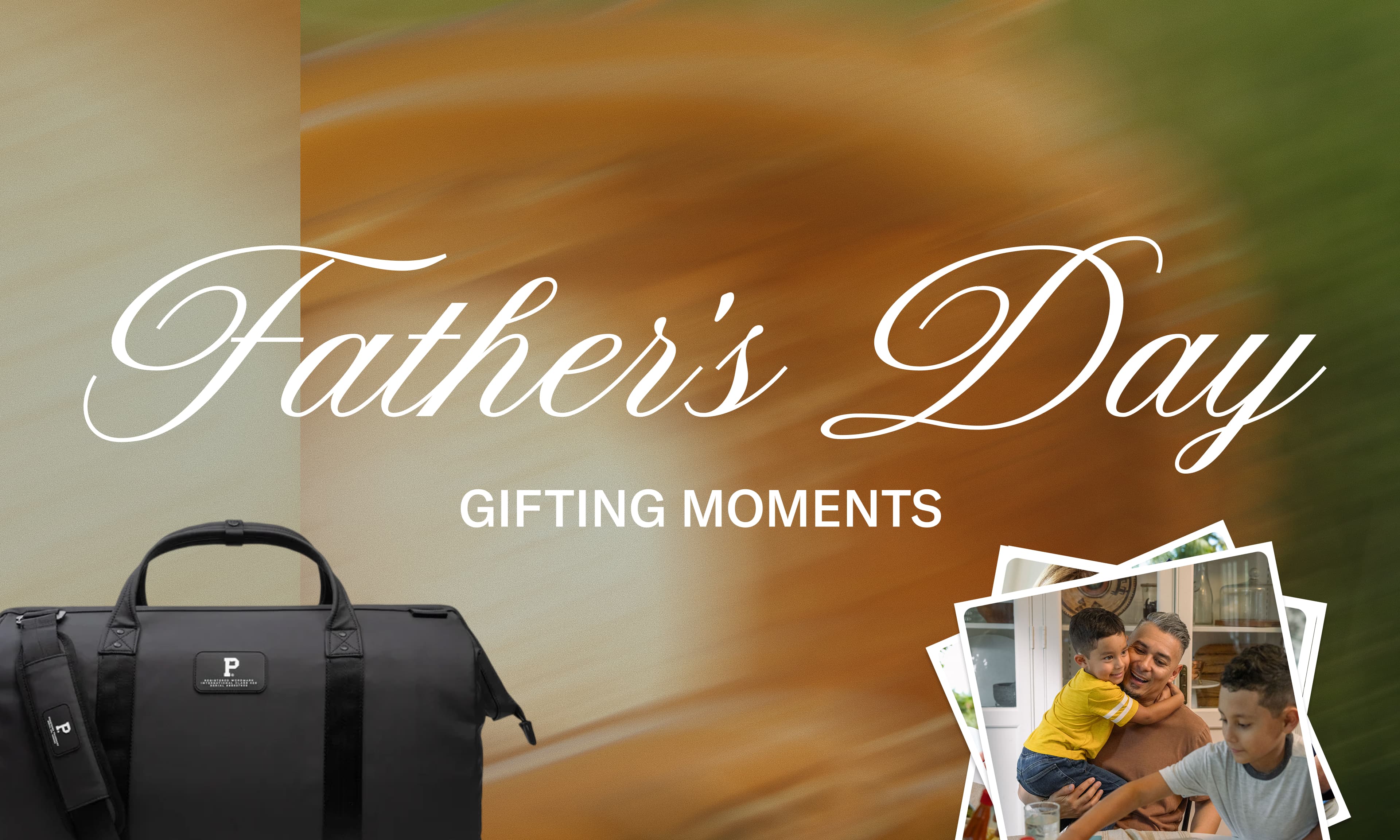
Father’s Day Gifts
Some dads may want the day to slip under the radar, but not on our watch. We love drawing just enough attention that’ll make him slightly uncomfortable. This year, celebrate him with:
The Father’s Day gift that says “favorite child” without saying it*
Insoles that’ll upgrade his morning walks and runs, even if he’s wearing old sneakers
And more gifts under $75 he’ll enjoy
*denotes a sponsored product
Skimm'd by: Marisa Iallonardo, Molly Longman, Aryanna Prasad Bhullar, Mallory Simon, and Marina Carver. Fact-checked by Jordan Mamone.
Live Smarter
Sign up for the Daily Skimm email newsletter. Delivered to your inbox every morning and prepares you for your day in minutes.