What's Happening

Politics
The Shutdown Hits Home
The government shutdown is entering a make-or-break week — and the pressure is mounting on multiple fronts...
What’s going on with SNAP: In just four days, roughly 42 million low-income Americans could lose a lifeline that helps feed their families. On Nov 1, the US Department of Agriculture is expected to stop distributing the Supplemental Nutrition Assistance Program (SNAP) as a result of the government shutdown. Both parties blame each other, but the real-world consequences are immediate and dire. Democrats want the agriculture secretary to use contingency funds to keep payments flowing, while some states are scrambling to fill the gaps. SNAP is one of several programs now hanging in the balance — along with military salaries, federal worker pay, and funding for child care and early education.
What’s going on with the filibuster: Some Senate Republicans are considering the nuclear option to end the shutdown: changing the legislative filibuster. That rule calls for a 60-vote supermajority to bring most bills to the floor in Congress, requiring the support of at least 10 Democrats in the split Senate. Spoiler: Democrats aren’t crossing the aisle, and they have no plans to pivot from their strategy. Now, Sen. Josh Hawley (R-MO) says the GOP may have to change the filibuster in order to reopen the government. The situation could put Senate Majority Leader John Thune (R-SD) in a tough spot, as he promised to protect the filibuster. Former Sen. Joe Manchin (D-WV), who famously called the rule “the holy grail of democracy,” (yes, we’re anticipating his “I know ball” TikTok soon) is also calling on Republicans to keep their promise — but time will tell.
Related: The Economic Data Blackout Has Economists Concerned (Axios)
US News
Why Are Cancer Rates Higher in This Region?
What's going on: For years, study after study has shown that cancer rates among young adults are rising. Now, a new Washington Post analysis is highlighting the role geography might play in these cases. Since the 2010s, cancer diagnoses for people ages 15 to 49 living in parts of the so-called “Corn Belt” — particularly Iowa, Nebraska, Illinois, Minnesota, Indiana, and Kansas — have increased significantly, according to the report. The latest 2022 data shows cancer rates were about 5% higher for both young adults and the general population, as compared to other states. Among the most common diagnoses in the area are skin and kidney cancers. Experts say that while young patients are more likely to survive their diagnoses, they often have to live longer with the psychological and physical long-term effects — like cancer recurrence, hormone disruptions, heart damage, and even infertility.
What it means: There’s no question that where you live can affect your health — through environmental factors, access to care, and available resources. Across the country, researchers are now trying to untangle why cancer rates are so high in some regions. The director of the Iowa Cancer Registry said a series of forces that stem from childhood and even pregnancy could be at play. Others point to agrochemicals and water quality in the region. One 2024 study found that “the impact of pesticide use on cancer incidence may rival that of smoking.” In the meantime, young patients are pushing politicians and pesticide manufacturers to take action.
Related: Judge Rules Immigration Authorities Can’t Detain Man Whose Daughter Is Battling Cancer (AP News)
Health
Rethinking the Monthly Cycle
What's going on: For decades, period blood was dismissed as “gross,” too complex, or simply not worth studying. Scientists are now rethinking that. Researchers are exploring whether menstrual blood can do more than signal it’s that time of the month — by turning it into a diagnostic tool. A handful of small, mostly women-led startups — along with academic labs — are testing whether it can help detect hard-to-diagnose conditions like endometriosis. The disease is estimated to affect more than 10% of women of reproductive age and still requires surgery under general anesthesia to confirm.
What it means: The research is still early, and post-Theranos skepticism makes any new blood-based test a tough sell. But menstrual blood — often collected at home using tampons, pads, or cups — carries tissue and immune cells that reflect what’s happening inside the uterus, offering insight other fluids can’t. Many think it could one day help track hormones, detect infections, or even screen for cancers. As this type of women’s health research gets more attention, researchers hope to prove that periods hold some answers.
Related: The Case for Starting Hormone Therapy Before Menopause (SELF)
Your Political Briefing
The week in political chaos.
Medical mystery: President Donald Trump told reporters aboard Air Force One that he underwent this medical test earlier this month — but wouldn’t say why doctors ordered it.
Map it out: Indiana has become the latest GOP-led state that may try to redraw its congressional map ahead of next year’s midterms. Meanwhile, New York is entering the fray.
“It all got real”: Gov. Josh Shapiro (D-PA) opened up about how the firebombing on Passover shook his family — and shaped his next steps.
Well, this is awkward: Cheryl Hines has some thoughts on those RFK Jr. affair allegations.
Know It All
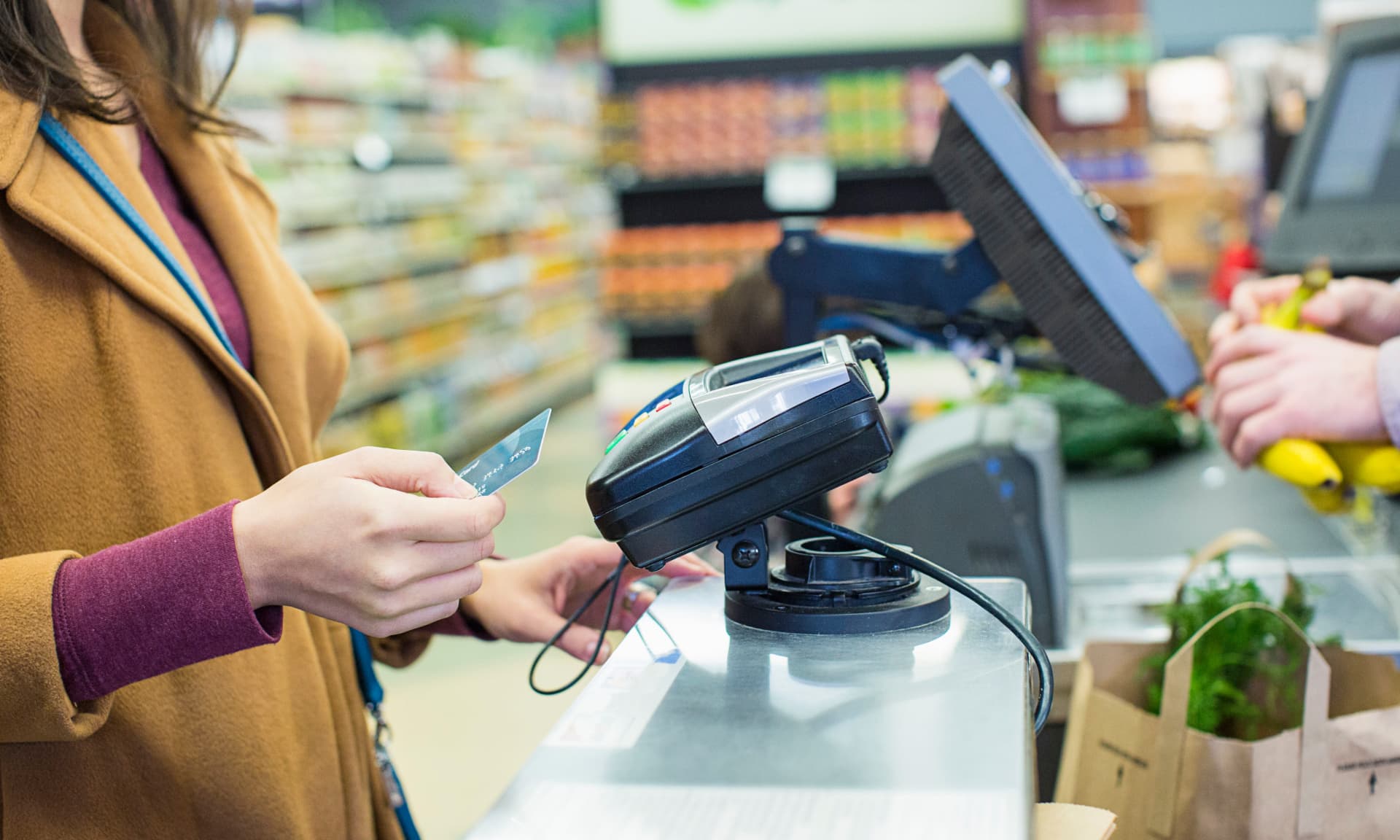
All of these items added pain to grocery bills — but which one had the biggest price jump in the past year?
(This poll is no longer available)
Game Time

Start your Tuesday off right with Typeshift, a fun new game that challenges you to create words from a set number of letters. Warning: It’s very addicting. Start playing.
Photos by David Shvartsman and Cavan Images via Getty Images, Brand Partners
Design by theSkimm
*PS: This is a sponsored post.
Live Smarter
Sign up for the Daily Skimm email newsletter. Delivered to your inbox every morning and prepares you for your day in minutes.