What's Happening
Politics
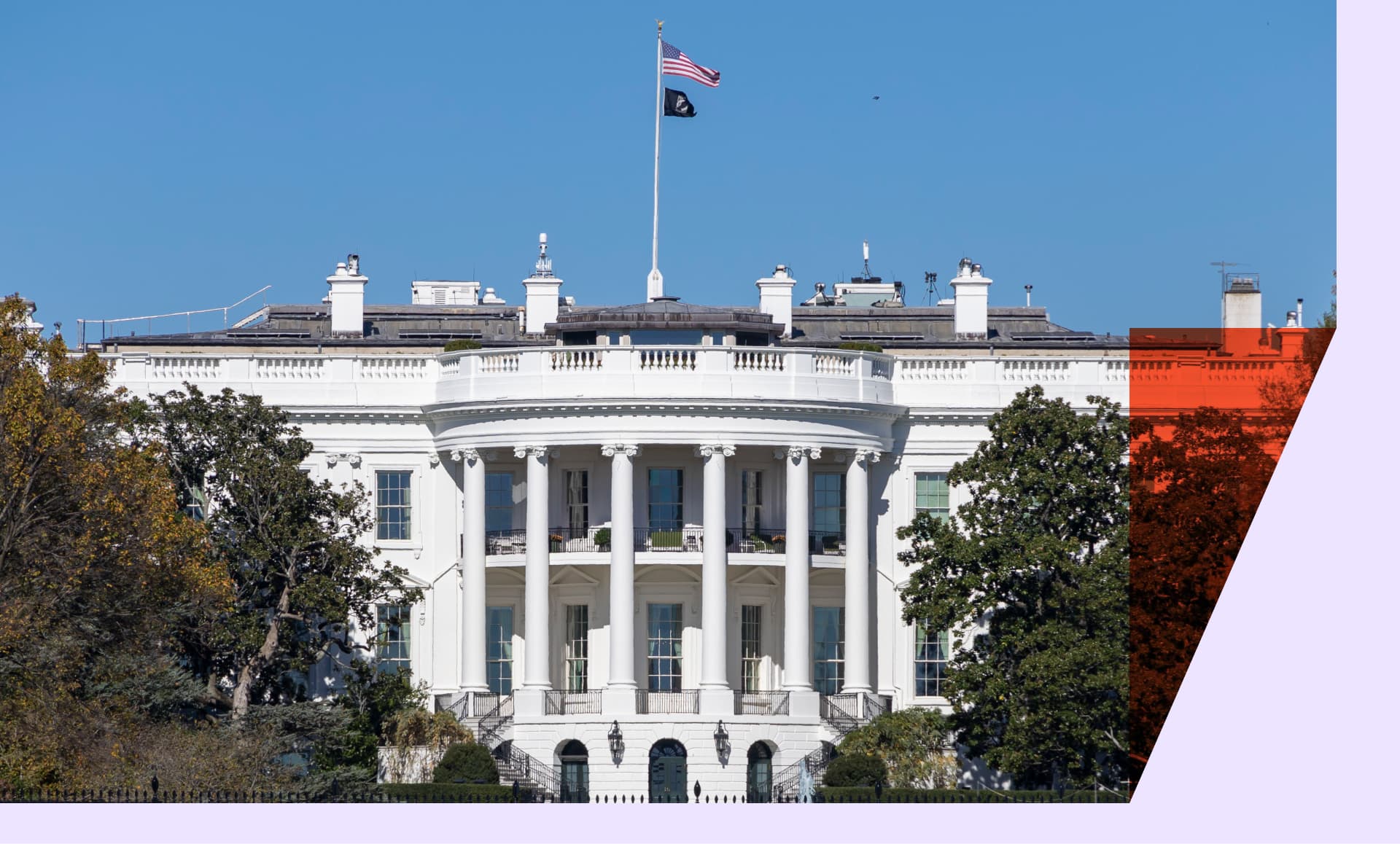
Project 2025 Is in the White House
What's going on: On the campaign trail, President Donald Trump repeatedly denied having ties to or reading Project 2025 — a conservative initiative that reimagines American society. But according to a Politico analysis, at least 37 of Trump’s executive orders align with the goals laid out in the 922-page policy blueprint — in some cases, using nearly identical language. That includes: blocking transgender women and girls from competing in female sports at all levels, banning transgender troops from serving, ending DEI efforts, and gutting some federal agencies and departments. While some of the orders fall in line with long-standing conservative priorities, others echo the initiative’s more unconventional strategies. And it’s not just executive orders. The Trump administration also reclassified up to 50,000 federal employees to make it easier to fire them and has ordered the Federal Communications Commission (FCC) to investigate NPR and PBS for allegedly violating advertising rules.
What it means: The Heritage Foundation has been manifesting Trump's second presidential win since it first published the political initiative in 2023. Just 17 days in, it's clear the plan isn't just wishful thinking, it's shaping White House policy (though legal challenges are growing). Several of its key architects now hold powerful roles, like CIA director John Ratcliffe and FCC head Brendan Carr. The project’s former director has said Trump’s plans are “home runs,” and “are in many cases more than we could have even dared hope for.” On Wednesday night, Senate Democrats began an overnight speech protest against Trump’s pick to lead the Office of Management and Budget — Project 2025 contributor Russell Vought, who they call his “most dangerous nominee.”
Related: Is the CIA the Next Agency on the Chopping Block? (NPR)
Immigration
When the Lesson Plan Includes an Immigration Crackdown
What's going on: Fears among parents and children have intensified since President Donald Trump authorized federal immigration officers to make arrests at schools. The directive rolls back a 2011 policy and leaves teachers in districts in uncharted territory. Sanctuary cities like New York and Chicago have said ICE can’t enter schools without a warrant signed by a judge. But, Florida is requiring government employees (like public school teachers) to comply with Trump’s immigration policies and Oklahoma mandates parents report their child's immigration status to public schools. Officials haven’t clarified what might trigger an arrest on school grounds, but a White House spokesperson told NBC News that enforcement in schools or churches will be “extremely rare” and that the updated policy doesn’t specifically direct ICE to target these spaces.
What it means: Even if arrests in schools are unlikely, the mere possibility of students being pulled from class or family members being taken from home is enough to disrupt learning. The anxiety has contributed to a nationwide drop in attendance at a time when school districts are already struggling with chronic absenteeism and post-COVID education gaps. And it's not just undocumented students who are at risk — witnessing classmates being taken away can be very traumatic. One teacher told Vox that that her 50-year-old sister still remembers her first-grade class breaking out in tears after border patrol agents took two of her classmates away. Many teachers are focusing on what they can control — supporting students and keeping their communities informed, with some distributing “know your rights” cards to immigrant families.
Related: Head Start Child Care Programs Unable To Access Funds After Funding Freeze (NBC)
Education
No Phones in Class? Study Says It Won’t Save Report Cards
What's going on: School phone bans have been seen as a promising solution for improving students’ focus and grades. But the world’s first comprehensive study on classroom phone use shows they’re no silver bullet. Researchers analyzed data from over 1,200 students across 30 schools in the United Kingdom and found that banning phones didn’t significantly boost grades. And it didn't even lower their overall screen time — students still racked up an average of four to six hours of mindless scrolling by bedtime. It reinforced past findings: the more time kids spent on social media, the worse their grades and overall well-being. The researchers said more needs to be done to establish a link.
What it means: Removing phones from classrooms doesn’t address the core issue which is the addictive nature of social media, according to the researchers. The study’s lead author emphasized the focus should be on reducing students' screen time. Good luck with that. Still, there are benefits to keeping phones out of schools that weren’t mentioned in the study, like less bullying and improved social skills among students. Regardless, the debate over whether or not schools should ban phones has gained momentum in recent years, especially in the US. It’s now a bipartisan issue with at least eight states passing laws in the past year to address it.
Related: Even Some Students Want Schools To Cut Back on Tech in the Classroom (WSJ Gift Link)
Quick Hits
🎓 Meet the recent college grads helping Elon Musk cut trillions of dollars from the federal government. Most aren't even old enough to rent cars.
😎 There is only one person who could get Anna Wintour to ditch her iconic shades.
❓ Gigachad, baddie, skibidi, and all the other words kids say these days. Are they compliments? Insults? Your guess is as good as ours.
👀 One generation of women is still having great sex. It’s not Gen Z.
🧔 Jason Kelce found his people. Literally.
Settle This
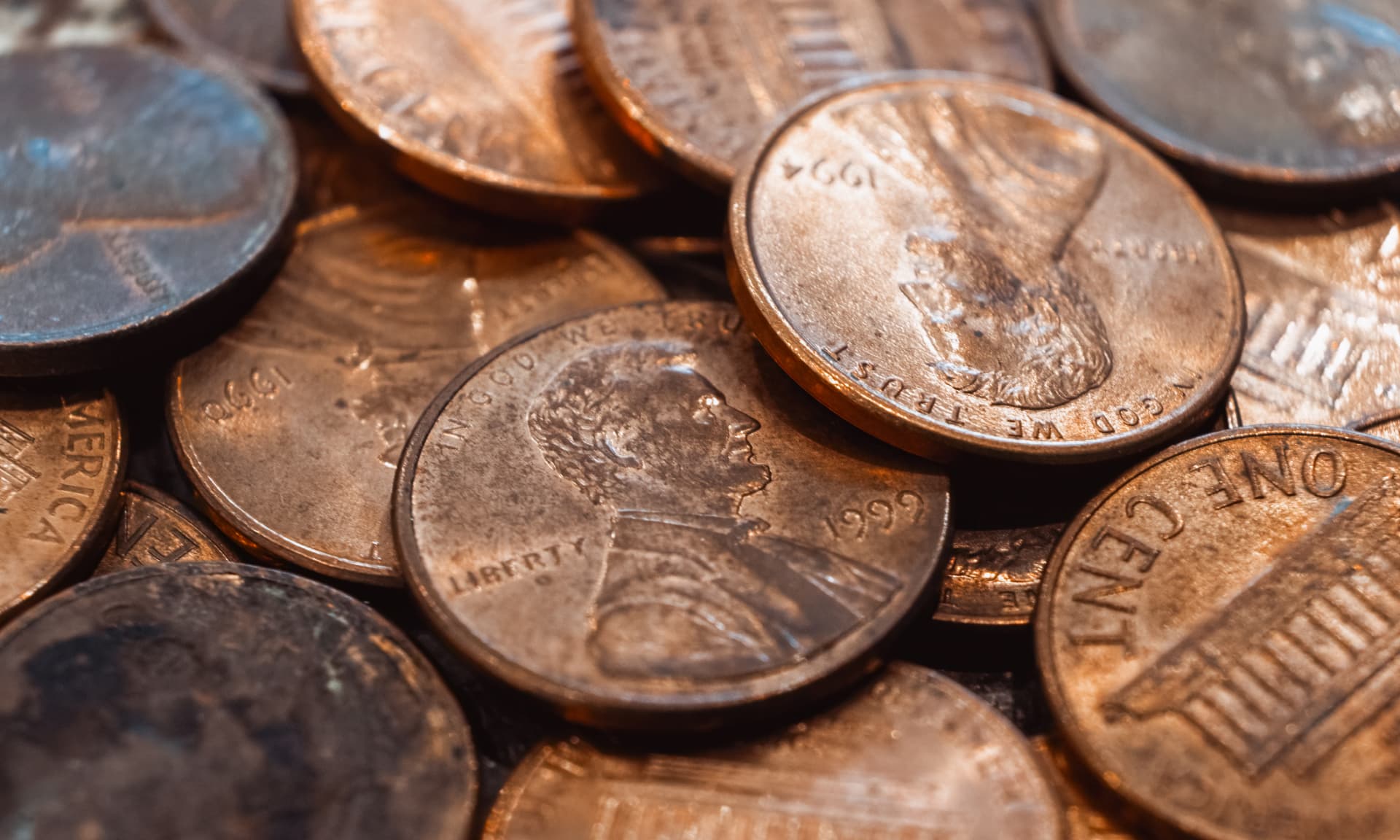
Is it time to break up with the penny (Elon Musk thinks so), or are we just being centsitive?
(This poll is no longer available)
Extra Credit
Watch
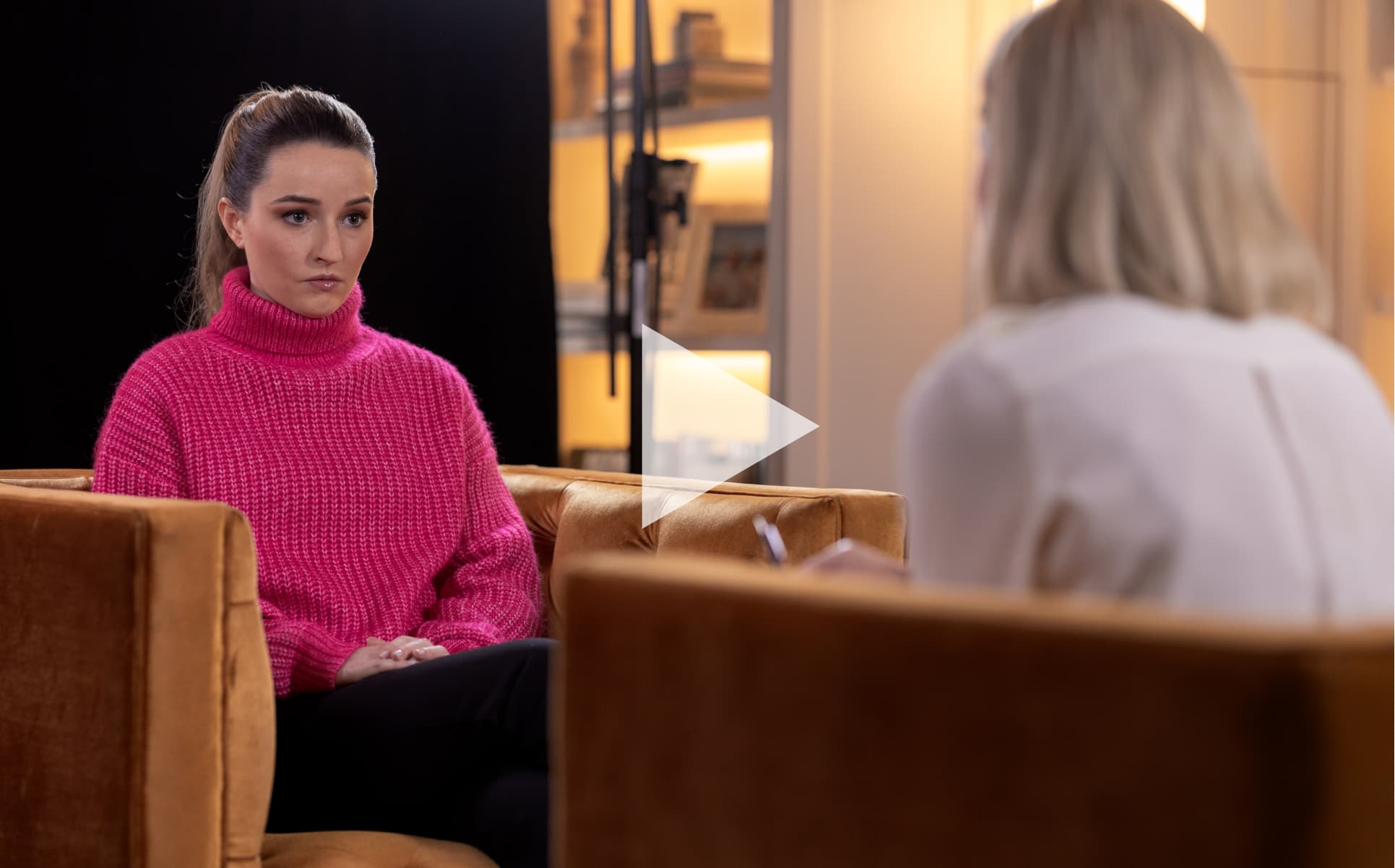
If you’re a sucker for a good scammer scandal, Netflix’s Apple Cider Vinegar should be next on your binge list. Adapted from the nonfiction book The Woman Who Fooled the World, the six-episode series is based on the “true-ish” story of Belle Gibson, an Australian Instagram influencer (Kaitlyn Dever) who became famous for curing her own brain cancer through healthy eating and other alternatives to traditional medicine. In fact, she becomes so famous that she's even able to build her own wellness mini-empire, including book deals and the launch of a successful app...until the world discovers one glaring problem: Belle never actually had cancer.
For more recs...
Check out the Daily Skimm Weekend newsletter, in your inbox every Saturday and Sunday. We'll help you spend your leisure time well.
Game Time

Brick Breaker meets word search in Spelltower, your new favorite game. For every word you find, letter tiles disappear. The fewer tiles left when you run out of words, the better your score. Try it.
Photos by Nicolas Economou/NurPhoto and Grace Cary via Getty Images, Brand Partners, and Netflix
Design by theSkimm
*PS: This is a sponsored post.
Live Smarter
Sign up for the Daily Skimm email newsletter. Delivered to your inbox every morning and prepares you for your day in minutes.