Well Aware
You're So Vein

The World Cup is the gift that keeps giving, and this week it taught the internet a new word: vascularity. After a certain England midfielder’s visibly veiny legs went viral, plenty of us suddenly took a second look at our own.
A quick refresher: Arteries carry blood out to your tissues, while veins carry it back to your heart, kinda like a two-lane highway. How visible veins are depends on a mix of genetics, skin tone, body composition, heat, and exercise. Age plays a role too — they can become easier to see as skin naturally thins and loses collagen over time. That said, there are a few things us mere mortals can do to keep our vascular system pumping as strongly as a pro soccer player’s.
For Your Sanity:
Admire what you’ve got. Super visible veins aren’t a problem on their own. (Bonus: They might make blood draws a little bit less annoying.) And there are a few reasons why highly active people tend to have ultraprominent ones (hey, Jude).
Support your vessel walls. Varicose veins develop when the vein walls and tiny one-way valves inside them weaken over time. Research shows that vitamin C helps your body make collagen, which supports blood vessels. So getting enough of it is one way to promote overall vascular health.
Fight the puff. Lower-leg swelling is common during pregnancy, long flights, desk marathons, or heavy exercise days. Compression socks or leggings, calf raises, walking breaks, and putting your feet up to redirect blood flow toward the heart can all help.
Treat what bugs you. Staying active can help lower your risk of spider veins and varicose veins, though some risk factors — like age, hormones, pregnancy, and genetics — are beyond your control. The good news: Dermatologists and vein specialists can often treat them with procedures such as sclerotherapy and laser therapy.
Know the red flags. Blood clots can be hard to spot — and dangerous to miss. Here's what doctors want you to know about the signs, symptoms, and risk factors.
well reviewed
Itch, Please
Be the hero of an evening outdoors and stash one of these insect repellents in your bag. Because no one signed up to be the bugs’ happy hour.
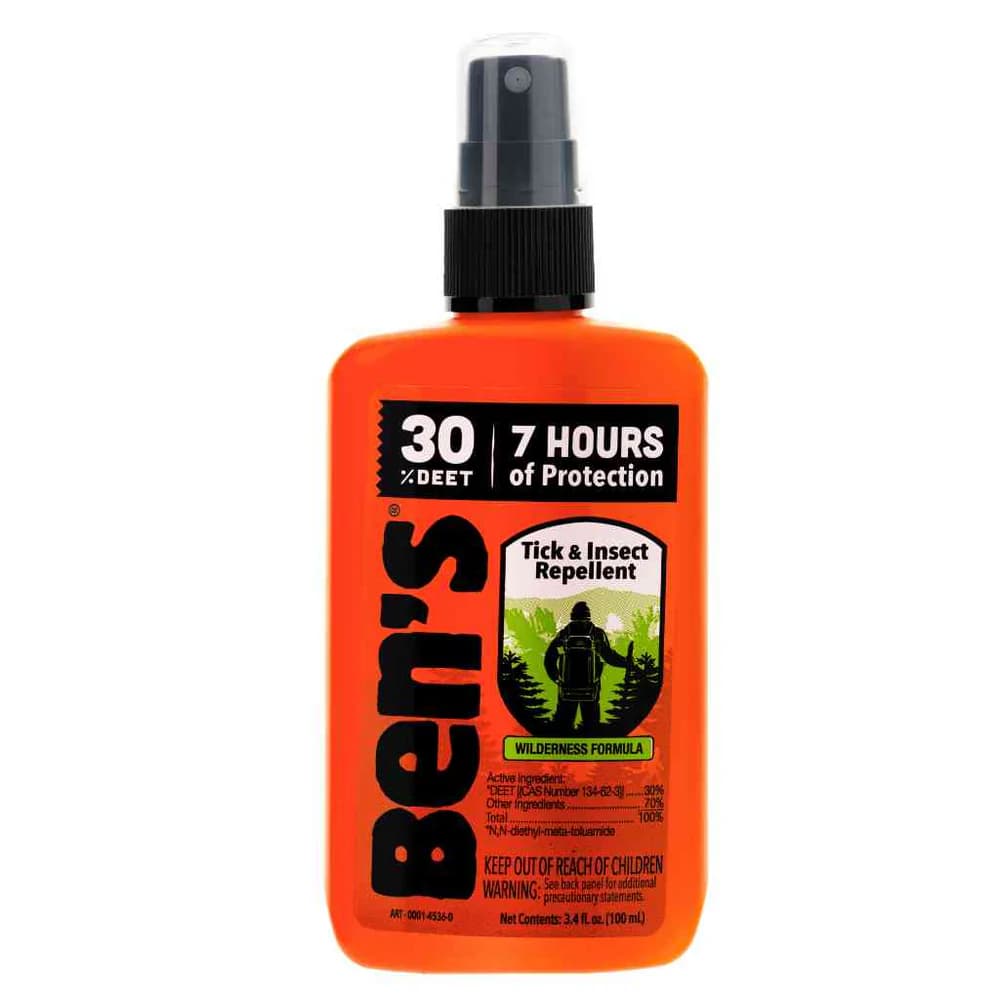
Ben's
Ben’s Tick & Insect Repellent is the best option with DEET.
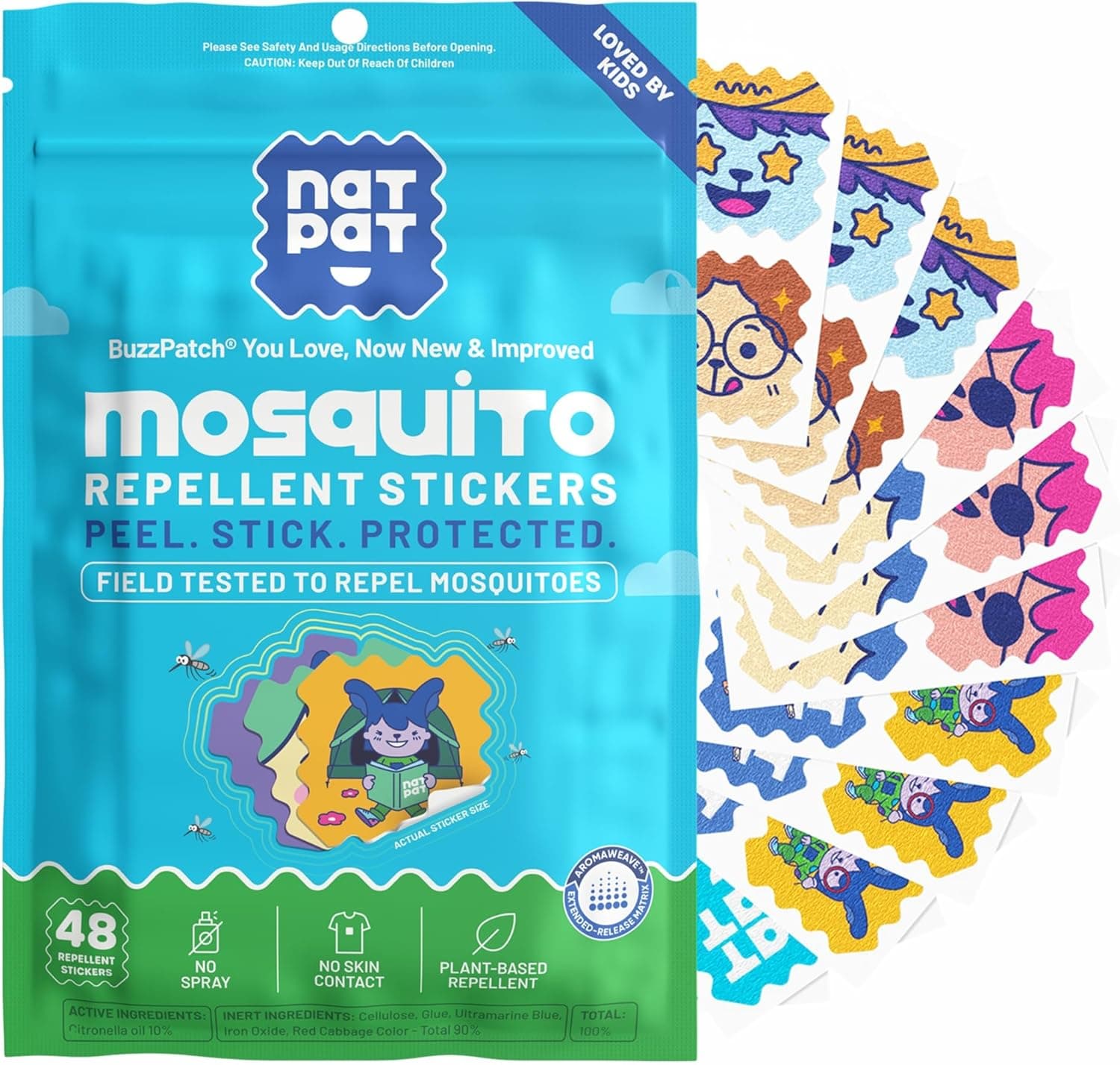
NatPat
NatPat BuzzPatch Mosquito Repellent Stickers are the best option for kids.
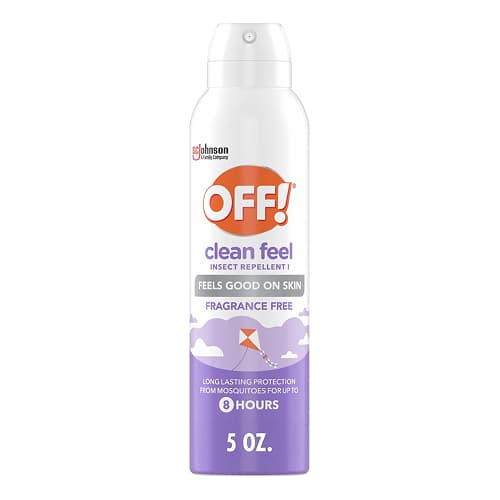
Off!
Off! Clean Feel Insect Repellent is the best spray option.
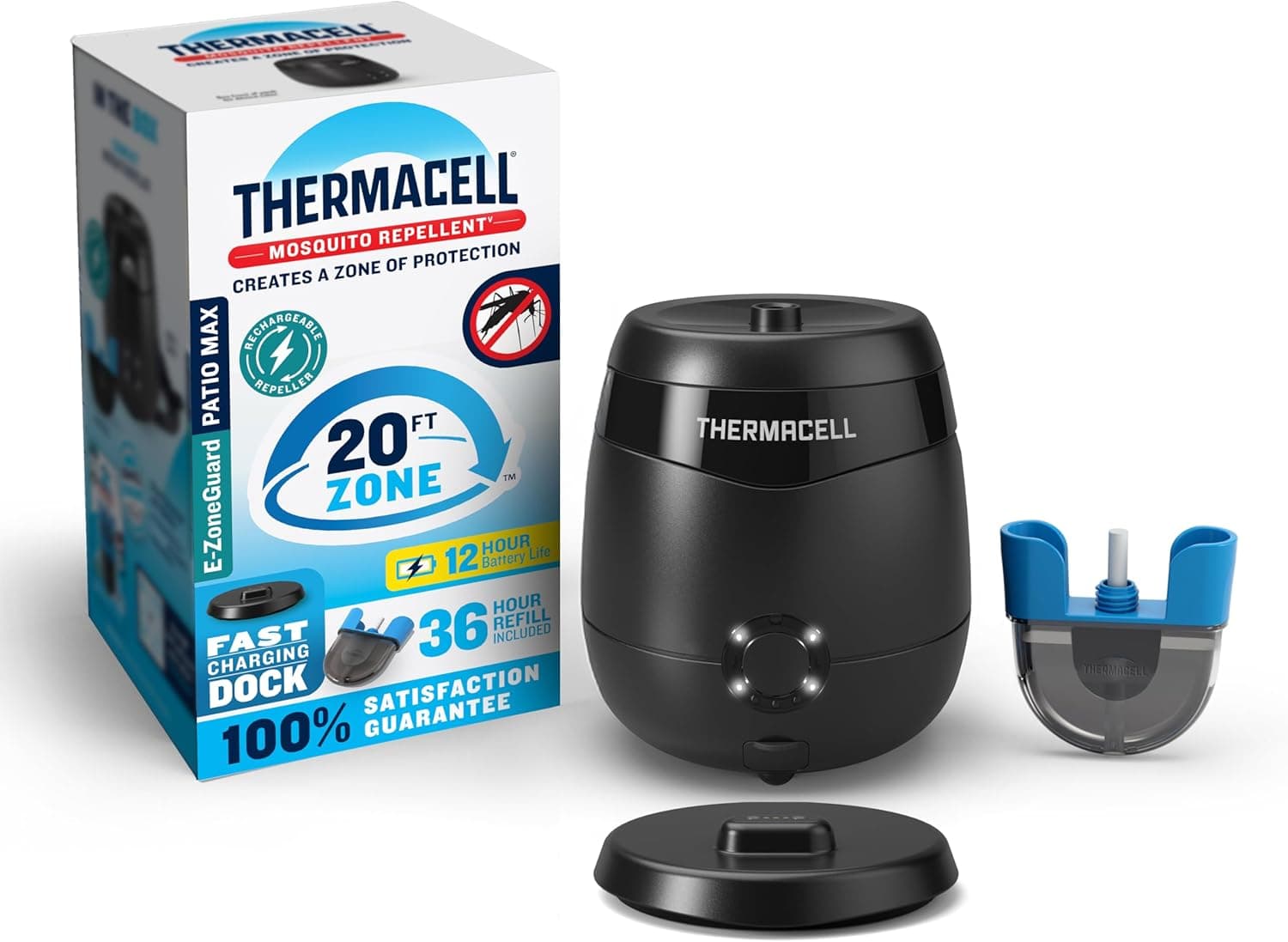
Thermacell
Thermacell E-ZoneGuard Rechargeable Mosquito Repellent is the best device option.
Here’s the full list of the best mosquito repellents, according to experts.
Well fed
Yes, You Can Go to the Farmers Market
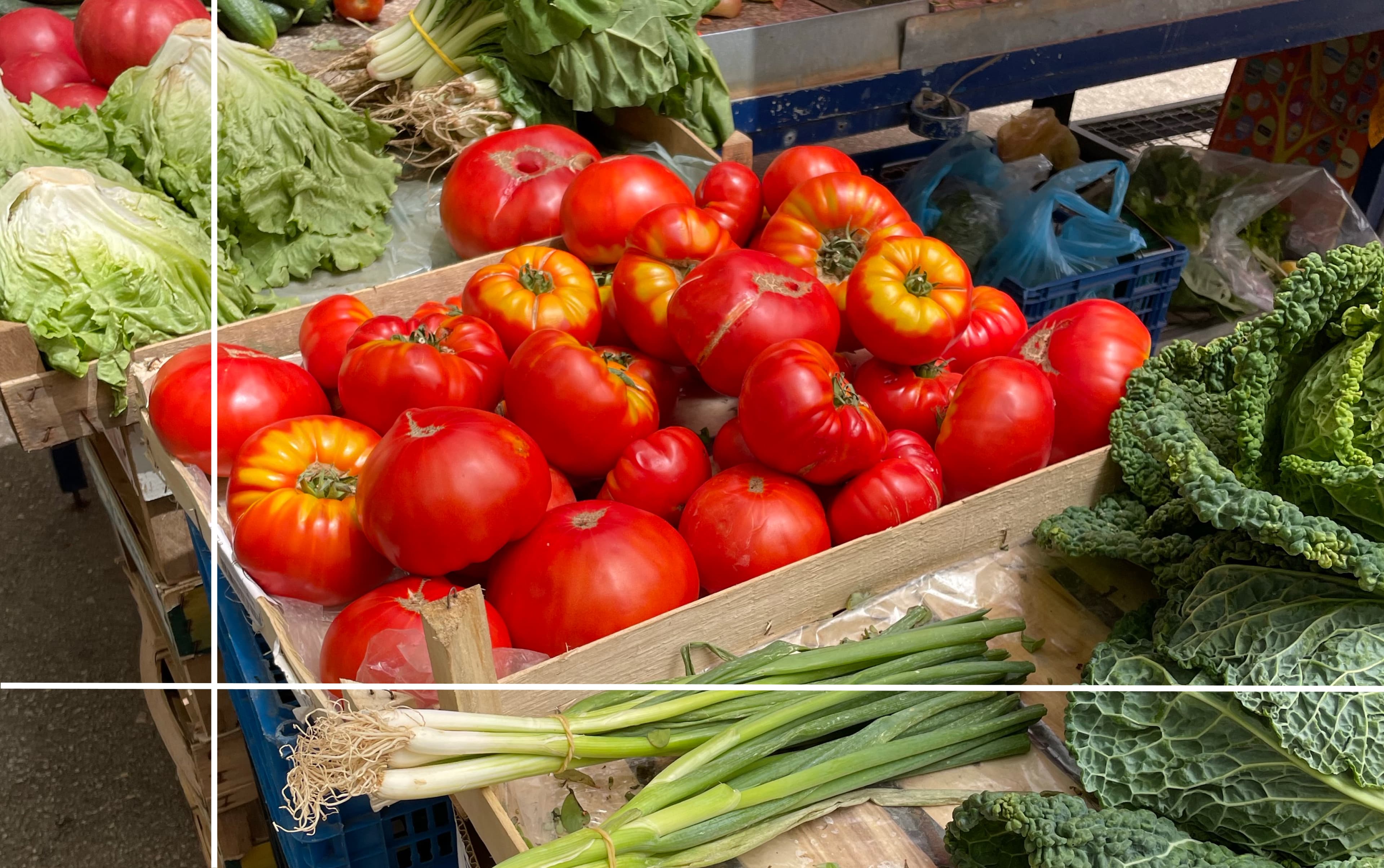
If news of the "explosive diarrhea outbreak" has you side-eyeing the produce aisle, take a breath. The foodborne parasite cyclospora has made headlines, but it doesn’t have to ruin your summer. Here are three ways to be smart about fresh fruits and veggies.
Know your suspects. These seven items in particular have been linked to cyclospora outbreaks before, and it's worth knowing what's on the list before you fill your cart.
Wash smarter, not harder. A quick rinse under the tap probably won't fully get rid of this parasite. But adopting these food-prep and storage habits prior to serving fresh produce may lessen your risk.
When in doubt, heat it up. Cyclospora can't survive this magic temperature and above. So if raw produce has you nervous, cooking it’s your work-around. Summertime soup, anyone?
no notes
Well Aware
You're So Vein
The World Cup is the gift that keeps giving, and this week it taught the internet a new word: vascularity. After a certain England midfielder’s visibly veiny legs went viral, plenty of us suddenly took a second look at our own.
A quick refresher: Arteries carry blood out to your tissues, while veins carry it back to your heart, kinda like a two-lane highway. How visible veins are depends on a mix of genetics, skin tone, body composition, heat, and exercise. Age plays a role too — they can become easier to see as skin naturally thins and loses collagen over time. That said, there are a few things us mere mortals can do to keep our vascular system pumping as strongly as a pro soccer player’s.
For Your Sanity:
Admire what you’ve got. Super visible veins aren’t a problem on their own. (Bonus: They might make blood draws a little bit less annoying.) And there are a few reasons why highly active people tend to have ultraprominent ones (hey, Jude).
Support your vessel walls. Varicose veins develop when the vein walls and tiny one-way valves inside them weaken over time. Research shows that vitamin C helps your body make collagen, which supports blood vessels. So getting enough of it is one way to promote overall vascular health.
Fight the puff. Lower-leg swelling is common during pregnancy, long flights, desk marathons, or heavy exercise days. Compression socks or leggings, calf raises, walking breaks, and putting your feet up to redirect blood flow toward the heart can all help.
Treat what bugs you. Staying active can help lower your risk of spider veins and varicose veins, though some risk factors — like age, hormones, pregnancy, and genetics — are beyond your control. The good news: Dermatologists and vein specialists can often treat them with procedures such as sclerotherapy and laser therapy.
Know the red flags. Blood clots can be hard to spot — and dangerous to miss. Here's what doctors want you to know about the signs, symptoms, and risk factors.
Live Smarter
Sign up for the Daily Skimm email newsletter. Delivered to your inbox every morning and prepares you for your day in minutes.