When I became a solo parent 10 years ago,
I worried about losing my career, my friends, my identity. And everything did change. I’m happy with where I am today, but none of it was easy.
The way society saw me changed, too. Example: The pediatrician, barista, and gas station attendant all felt entitled to call me “mom.” That was a lot.
In the years since, thanks in part to shifting cultural convos and more women's health research, we're all more aware of how major the transition to parenthood is, physically and mentally –– and of all the other options we have.
Here are some of our favorite recent stories on "the kid question,” whether you’re a parent, thinking about it, or building a childfree life…
What the brain on psychedelic drugs and new motherhood have in common.
Attention non-birthing parents: Your brain could radically change, too.
Freezing your eggs? Here's the script to take into your convo with your doctor.
How to cope with infertility — and what not to say to your friend who’s going through it.
One more time, courtesy of Tracee Ellis Ross: Childfree people can — and do — mother all the time.
— Anna “I am Not Your Mother” Davies, Writer
What's Making the Rounds

Upset stomach after ice cream? It may not be the lactose.
Tone deaf? Zero boundaries? Unhygienic? "Pregnancy roulette" on Mormon Wives broke our brains.
The TLDR on RFK's "Make America Healthy Again" report? Limited meds, spend more time outside, and be wary of (scientifically validated, effective) vaccines... starting with the Covid shot for healthy pregnant people and kids.
Sperm racing is an actual ticketed event now. Do we add this under “ball sports” or is it its own category?
The FDA just banned a certain type of GLP-1 drugs. Here’s what to know if you’ve been taking them.
Are you a side-sleeping moon or back-sleeping sun? Here’s what your sleep position says about how you cope during daytime hours.
The woman who brought you caffeinated sunscreen has a new toxin-free solution to sell you. Meet… “the Birkin of toilet paper.” Which, yes, could also wipe out your bank account.
About Baby Brain ...

JLaw is back on the awards circuit with Die, My Love, a surreal dramedy about a woman with postpartum psychosis. And she's getting candid about her her transition to motherhood. She describes becoming a mom as “almost like feeling a blister or something — like, so sensitive,” and says about postpartum, “You feel like an alien.”
New research is digging into what actually happens to the brain during pregnancy and postpartum, and the findings could help spotlight new moms themselves — not just their babies — as worthy of focused care.
Here’s what we know: Last year, a first-of-its’-kind study mapped one woman’s brain throughout her pregnancy and for two years postpartum. Among the findings: The brain’s gray matter (tissue responsible perception, learning, emotion, movement, etc.) shrunk significantly. That sounds bad, but it's not. One neuroscientist compared it to a sculpting process that “enables the brain to become more specialized.”
That research, on top of this recent study that linked certain brain changes to postpartum depression, could eventually help doctors better predict who is more vulnerable before symptoms start.
The More You Know:
Speak Up. One report estimates that one in five US moms experience some kind of mental-health condition, but only 25% of them get the treatment they need. Talk with your doc about your concerns –– even before pregnancy.
Commiserate. “Baby brain” is real. (See: Hailey Bieber’s “where did I put this?” moment.) Connecting with other new moms, even parasocially, helps. (This Iliza Shlesinger comedy special is a fave.)
Turn on the AC. One wild study found that postpartum individuals preferred cooler temperatures.
Q: I hate using public bathrooms because germs — and adding layers and layers of TP on the seat is getting old. What should my game plan be?
FEATURED EXPERT:

Shanina Knighton
PhD, RN, CIC, associate professor at Case Western Reserve University's Frances Payne Bolton School of Nursing and infection preventionist
"It’s smart to be cautious. While you don’t need to worry about catching an STI from the toilet seat, you do need to worry about E. coli, pinworms, norovirus — all of which can spread relatively easily.
I carry a small eco-friendly disinfectant spray in my bag to spray the toilet seat, the handle, or anything that looks questionable.
I avoid touching the stall walls with my coat or bag because they rarely get cleaned.
I never put my purse on the floor. I either hang it, keep it on my lap, or wear it — anything but letting it touch the ground. And I always make sure to put my phone away.
When I leave, I always use a piece of tissue to grab the door handle."
Shake It Off: The Dirty Truth About Hand Dryers
Breathe Easier With These Air Purifiers
If appliances had personalities, the air filter would be your home’s wise grandma. Quietly looking out for everyone, and very concerned with the well-being of your nasal passages. Heading into air quality alert season, here are the ones we want to invite into our home to stay awhile…

Honeywell
Honeywell AllergenPlus HEPA Air Purifier is the best for allergies.
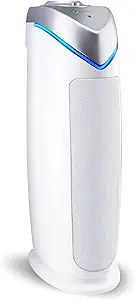
GermGuardian
GermGuardian Air Purifier With HEPA 13 Filter is the best for germs.
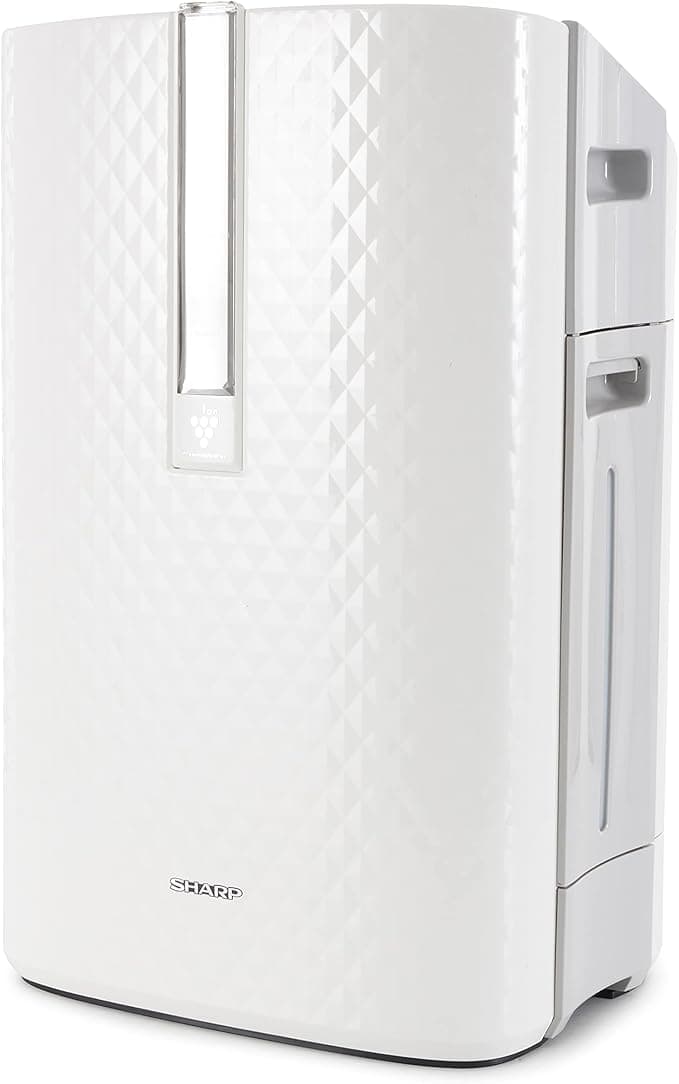
Sharp
Sharp Air Purifier And Humidifier With Plasmacluster Ion Technology is the best with a humidifier.
Here’s the complete list of the 12 best air purifiers, medically reviewed by the CEO of Allergy Standards in Dublin.
You have to eat to live. You may as well make this.

If the words “farro” and “salad” cause your eyes to glaze over, rejoin the class because this recipe is about to be a sleeper hit.
Imagine this: Sweet farmers market tomatoes, crunchy pistachios, a handful of basil, farro salted like you mean it, and an unlimited amount of shaved Parm. This is worth breaking out the good olive oil.
Last step: Pull up a seat alfresco. Prego.

Pop Quiz

Do you know which healthcare providers can help if you determine if what you are experiencing are symptoms of PPD? Symptoms can include depressed mood, loss of interest in hobbies, or trouble bonding with your new baby.†
A) OB-GYNs (obstetrician-gynecologists)
B) Primary care providers
C) Nurse practitioners or physician assistants
D) Psychiatrists
E)All of the above
†These are not all the signs and symptoms of PPD. Individual experiences may vary. Only a healthcare provider can diagnose PPD.
If you guessed E, all of the above, you’re right. It can be difficult to know where to start a conversation about PPD, but it’s one of the most common complications associated with pregnancy — and there are treatment options available. ZURZUVAE® (zuranolone) is the first and only FDA-approved 14-day oral treatment for adults with PPD. Learn how to get the conversation started here.
Please see Important Safety Information about ZURZUVAE below, and full Prescribing Information, including Boxed Warning and Medication Guide. Intended for audiences over 18 in the U.S.
Photos by Brand partners, Nicole Kießling via Dupe Photos (ice cream), Getty Images (Lawrence), courtesy of subject (Knighton), courtesy of Charlie Bird (farro salad), brand partners.
Design by theSkimm
This content is for informational and educational purposes only. It does not constitute a medical opinion, medical advice, or diagnosis or treatment of any particular condition. Always seek the advice of your physician, mental-health professional, or other qualified health provider with any questions you may have regarding a medical condition. Products you buy through our links may earn us a commission.
*PS: This is a sponsored post.
IMPORTANT SAFETY INFORMATION
What should I know about ZURZUVAE?
ZURZUVAE may cause serious side effects, including:
Decreased ability to drive or do other dangerous activities. ZURZUVAE may decrease your awareness and alertness, which can affect your ability to drive safely or safely do other dangerous activities
Do not drive, operate machinery, or do other dangerous activities until at least 12 hours after taking each dose during your 14-day treatment course of ZURZUVAE
You may not be able to tell on your own if you can drive safely or tell how much ZURZUVAE is affecting you
Decreased awareness and alertness [central nervous system (CNS) depressant effects]. ZURZUVAE may cause sleepiness, drowsiness, slow thinking, dizziness, confusion, and trouble walking
Because of these symptoms, you may be at a higher risk for falls during treatment with ZURZUVAE
Taking alcohol, other medicines that cause CNS depressant effects, or opioids while taking ZURZUVAE can make these symptoms worse and may also cause trouble breathing
Tell your healthcare provider if you develop any of these symptoms, or if they get worse during treatment with ZURZUVAE. Your healthcare provider may decrease your dose or stop ZURZUVAE treatment if you develop these symptoms
ZURZUVAE is a federal controlled substance (C-IV) because it contains zuranolone, which can be abused or lead to dependence. Keep ZURZUVAE in a safe place to protect it from theft. Do not sell or give away ZURZUVAE, because it may harm others and is against the law.
Before taking ZURZUVAE, tell your healthcare provider about all of your medical conditions, including if you:
drink alcohol
have abused or been dependent on prescription medicines, street drugs, or alcohol
have liver or kidney problems
are pregnant or plan to become pregnant. ZURZUVAE may harm your unborn baby
are breastfeeding or plan to breastfeed. ZURZUVAE passes into breast milk, and it is not known if it can harm your baby. Talk to your healthcare provider about the risks and benefits of breastfeeding and about the best way to feed your baby during treatment with ZURZUVAE
Females who are able to become pregnant:
Tell your healthcare provider right away if you become pregnant during treatment with ZURZUVAE.
You should use effective birth control (contraception) during treatment with ZURZUVAE and for 1 week after the final dose
There is a pregnancy registry for females who are exposed to ZURZUVAE during pregnancy. The purpose of the registry is to collect information about the health of females exposed to ZURZUVAE and their baby. If you become pregnant during treatment with ZURZUVAE, talk to your healthcare provider about registering with the National Pregnancy Registry for Antidepressants at 1-844-405-6185 or visit online at https://womensmentalhealth.org/research/pregnancyregistry/antidepressants/
Tell your healthcare provider about all the medicines you take, including prescription and over-the-counter medicines, vitamins, and herbal supplements. ZURZUVAE and some medicines may interact with each other and cause serious side effects. ZURZUVAE may affect the way other medicines work, and other medicines may affect the way ZURZUVAE works.
Especially tell your healthcare provider if you take antidepressants, opioids, or CNS depressants such as benzodiazepines.
What should I avoid while taking ZURZUVAE?
Do not drive a car, operate machinery, or do other dangerous activities until at least 12 hours after taking each dose of ZURZUVAE because ZURZUVAE may make you feel sleepy, confused, or dizzy
Do not drink alcohol or take other medicines that make you sleepy or dizzy while taking ZURZUVAE without talking to your healthcare provider
See “What is the most important information I should know about ZURZUVAE?”
ZURZUVAE may cause serious side effects, including:
See “What is the most important information I should know about ZURZUVAE?”
Increased risk of suicidal thoughts or actions. ZURZUVAE and other antidepressant medicines may increase the risk of suicidal thoughts and actions in people 24 years of age and younger. ZURZUVAE is not for use in children
How can I watch for and try to prevent suicidal thoughts and actions?
Pay close attention to any changes, especially sudden changes in mood, behavior, thoughts, or feelings, or if you develop suicidal thoughts or actions. This is very important when an antidepressant medicine is started or when the dose is changed
Tell your healthcare provider right away if you have any new or sudden changes in mood, behavior, thoughts, or feelings
Keep all follow-up visits with your healthcare provider as scheduled. Call your healthcare provider between visits as needed, especially if you have concerns about symptoms
Tell your healthcare provider right away if you have any of the following symptoms, especially if they are new, worse, or worry you:
attempts to commit suicide
thoughts about suicide or dying
new or worse depression
feeling very agitated or restless
trouble sleeping (insomnia)
new or worse anxiety
panic attacks
new or worse irritability
acting aggressive, being angry, or violent
an extreme increase in activity and talking (mania)
acting on dangerous impulses
other unusual changes in behavior or mood
The most common side effects of ZURZUVAE include:
Sleepiness or drowsiness, dizziness, common cold, diarrhea, feeling tired, weak, or having no energy, and urinary tract infection
These are not all of the possible side effects of ZURZUVAE. Call your doctor for medical advice about side effects. You can report side effects to FDA at 1-800-FDA-1088 or www.fda.gov/medwatch.
What is ZURZUVAE® (zuranolone) CIV?
ZURZUVAE is a prescription medicine used to treat adults with postpartum depression (PPD).
It is not known if ZURZUVAE is safe and effective in children.
Please see full Prescribing Information, including Boxed Warning and Medication Guide.
Sponsored by Sage Therapeutics, Inc. and Biogen Inc.
ZUR-US-1315 05/2025
Live Smarter
Sign up for the Daily Skimm email newsletter. Delivered to your inbox every morning and prepares you for your day in minutes.