Tame the To-Do List
There’s a brilliant Pixar short, Twenty Something, about how you can technically be an adult but still feel like a stack of kids in a trench coat. Watching it reminds me that sometimes you need a few tricks to convince everyone (yourself included) that you've got it together. Here are some of my go-tos:
Steal these adult cheat codes from women who seem suspiciously good at getting things done. This two-minute rule alone might change your life.
When your brain spirals over what-ifs, these three questions can bring you back to Earth.
Permission to do less (in the right order): This psychologist says it’s better for your health than stuffing your schedule.
Got a deadline? There’s a reason coffee shops suddenly turn you into a productivity machine.
— Anna “Trust Me, I’m a Grown-Up” Davies, writer
What's Making the Rounds
A “blockbuster heart study” recently found this commonly prescribed medication may actually be harmful to some women.
The story of how this Game of Thrones actress wound up in a wellness cult is a PSA for everyone — famous or not.
We see your premenstrual chocolate bar and raise you a “period elixir.” But does it actually work?
These healthy habits neuroscientists say help keep your brain sharp also double as ideal summer plans. We’ve got number one covered.
It’s hard to work out consistently this time of year, which is why we want to try the “PACT method” to build a stickier routine.
We’re sure Penélope Cruz’s health scare on set wasn’t part of the script, but it was definitely a plot twist.
The Cortisol Catch-All
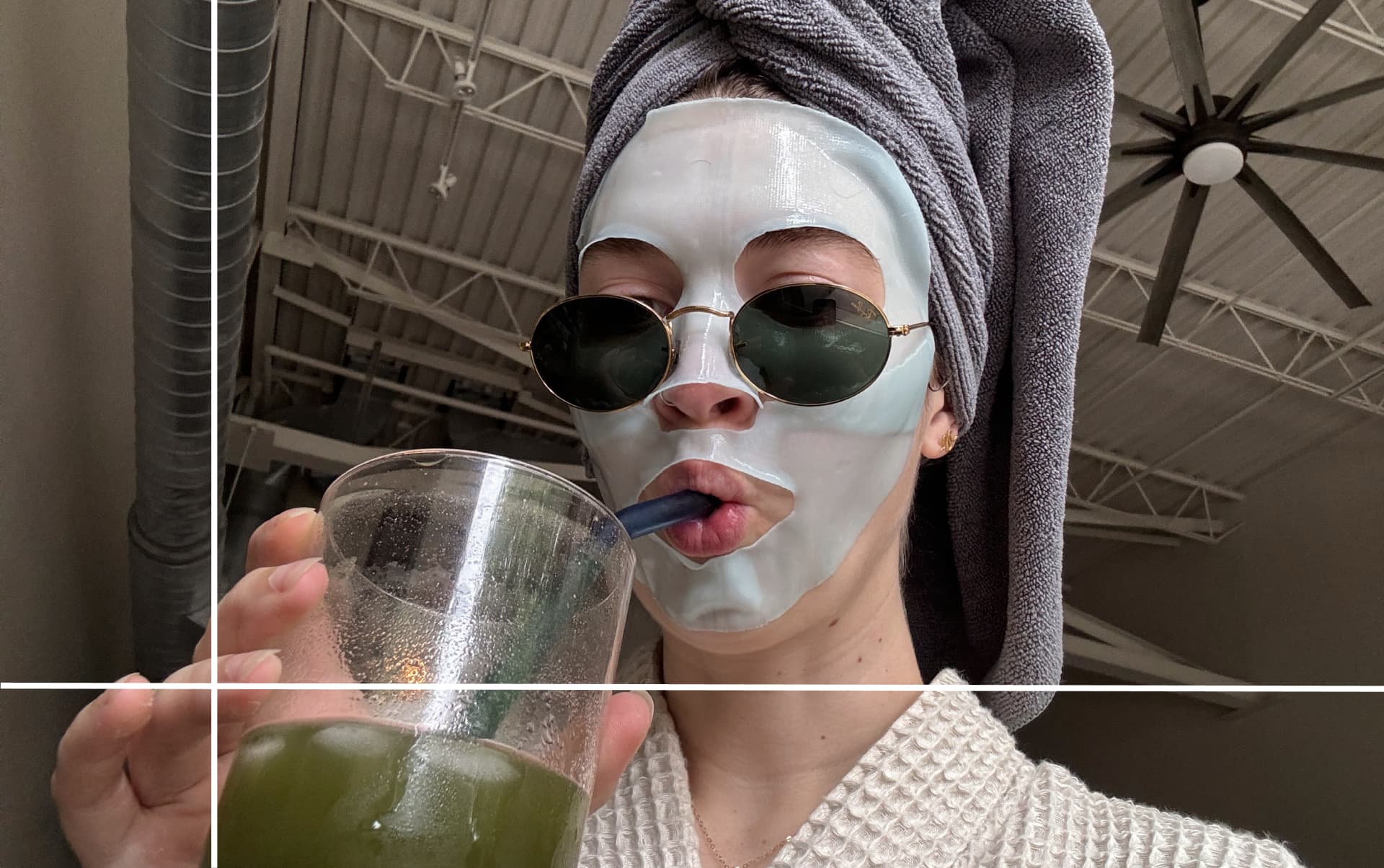
Scroll through social media, and you'd think we’re in the middle of a cortisol crisis. The hormone gets blamed for everything from poor sleep to stretchmarks. But before you panic-buy bedtime gummies, there are a few things to know.
What does cortisol do again? Despite its reputation as “the stress hormone,” cortisol isn’t inherently bad. Your body releases more of it to help you handle high-pressure situations. And it plays a key role in a lot more day-to-day functions than most people realize.
So when is it actually a problem? Not every puffy face, sleepless night, or stressful week points to a serious cortisol issue. All these symptoms can stem from countless causes, and wellness marketing often oversimplifies the connection. Rare, legitimate medical conditions tied to cortisol do exist. But a popular one known as adrenal fatigue — the idea that your glands get so overworked by chronic stress that cortisol production stops — isn’t recognized as a medical term and lacks strong scientific support.
For Your Sanity:
Skip the one-off self test. Cortisol fluctuates throughout the day, so a single spit or finger prick sample can’t offer context. Which is why doctors follow a strict schedule when they monitor your levels.
Pay attention to patterns. A hard week in one thing. Persistent changes to your sleep, energy, mood, or weight are concerns to flag with a physician, especially since there are strong connections between fatigue, stress, and perimenopause. A proper check-up beats guesswork.
Stick to basics. Sleep, hydration, and science-backed habits to help manage stress will serve you better than so-called cortisol “detoxes” any day.

I’ve already had a lot of sun exposure — what can I do to reduce damage?
FEATURED EXPERT:

Jacqueline Watchmaker, MD, FAAD
A board-certified dermatologist in Scottsdale, AZ, and a Castle Connolly Top Doctor
“Even if you’ve had a lot of sun exposure over the years, there’s still plenty you can do to improve your skin health. Certain laser treatments, like nonablative fractional lasers and CO2 lasers, can help stimulate collagen and encourage healthier skin to replace damaged cells. They can also improve sunspots, uneven texture, and fine lines.
Daily habits matter too, and I always tell my patients it’s never too late to start. Wear a broad-spectrum sunscreen every day to help prevent further damage. Use a retinoid at night, which can also gradually improve discoloration, texture, and early wrinkles. The changes aren't instant, but over time, these steps really can make skin healthier, no matter how much sun exposure you’ve had in the past.”
Need a new sunscreen for summer? These derm-approved picks work for every skin type, finish preference, and budget.
We’ve Got a Bone To Pick
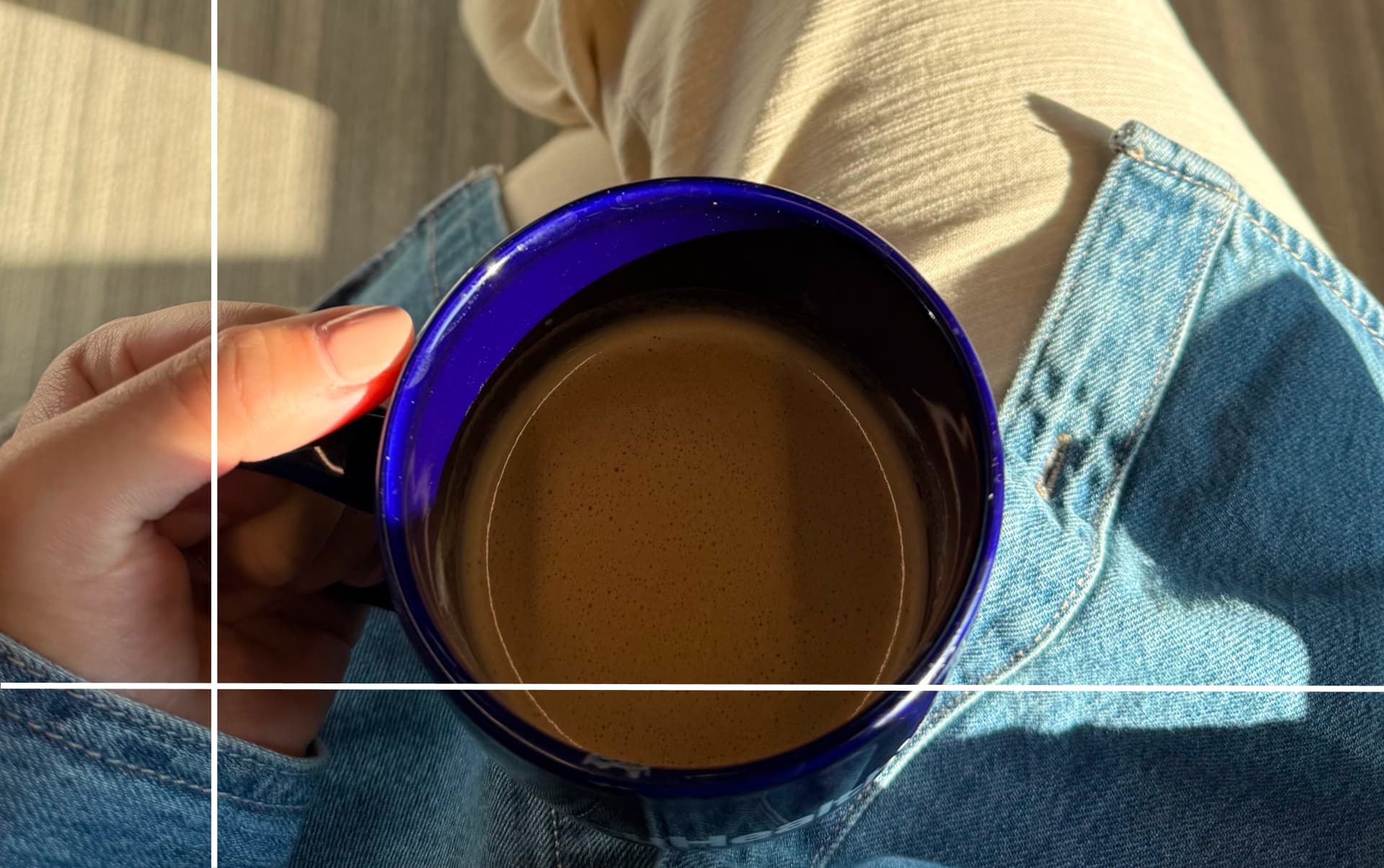
Coffee does more than give you a buzz. New research finds it can actually alter gut bacteria in ways that can improve mood and lower stress. And it’s not just the strong stuff — decaf has the same effect. The study also found that decaf drinkers saw learning and memory improvements after regularly drinking the beverage.
Just not that into coffee? Add these six beverages to your rotation for a happier gut.
Permission To Blend In
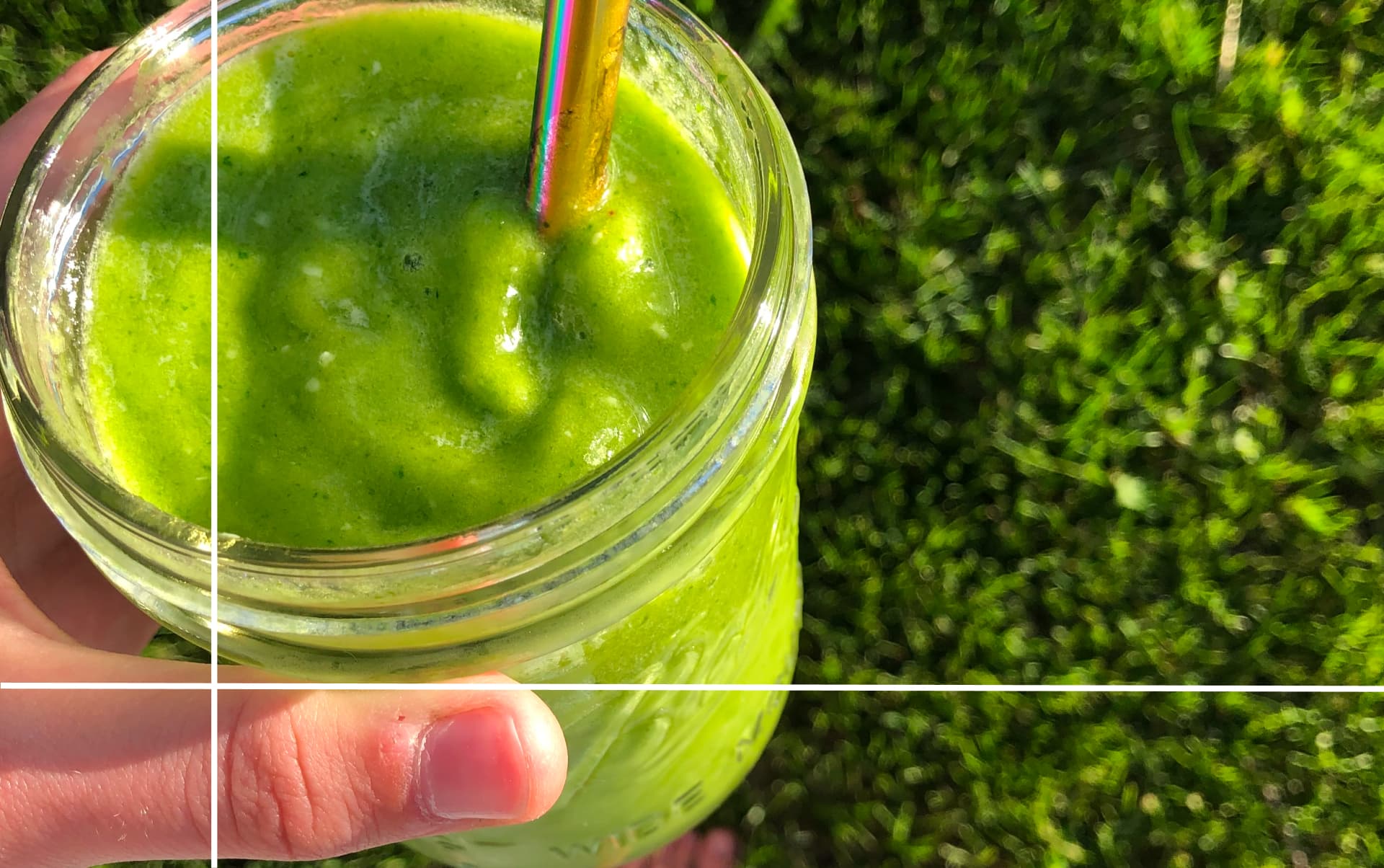
Fiber. Protein. Healthy fats. Tiny but effective, seeds have earned their spot in the wellness group chat. These three in particular are always on our grocery lists:
Chia seeds. Nearly 10 grams of fiber and 4.5g of protein per serving. Stir into overnight oats, smoothies, or yogurt for a nutritional boost. But if you want them as a main character, try one of these recipes.
Hempseeds. Usually sold as “hemp hearts,” these pack nearly 7g of protein per serving. Sprinkle over salads, grain bowls, or avocado toast, or try them in these no-cook energy bites for an on-the-go snack.
Flaxseeds. These contain heart-healthy omega-3s, plus nearly 5g of fiber (and 2.5g of protein) per serving. Here are 10 simple ways to add them to recipes you already make. Number four is a personal favorite.
The Drug That Keeps Expanding Its Résumé
What’s going on: Chances are, if the perimenopause algorithm has found you, then so has creatine. Yep, that same powder gym bros take to bulk up during workouts is now a favorite among menopause influencers who claim it can help restore muscle loss, improve brain fog, and alleviate mood swings. Our bodies naturally make creatine, a compound that helps fuel short bursts of energy (like burpees). You can also get it from foods like meat and fish. But while the buzz online is real, the science for how creatine specifically works for menopausal women is… lacking.
So why are menopause influencers obsessed?: Estrogen levels decline during perimenopause and can lead to reduced muscle mass, which is why doctors encourage strength training. Creatine fans say the supplement can help people perform better during those workouts, while also easing some menopause-related symptoms. One 2025 study found creatine helped perimenopausal women build lower-body strength — and even sleep better... but only 15 people participated. While creatine has been heavily studied in athletes and younger adults, for now, there’s surprisingly little research focused specifically on menopausal women. (Gender bias strikes again. Sigh.) Creatine is generally safe for healthy adults, though side effects are possible, and people with kidney disease are usually advised to check with a doctor first.
PS: Every weekday, the Daily Skimm breaks down the headlines that impact your world. Get our unique take on what's going on — and what it means for you. Sign up here.
A Walk in the Clouds
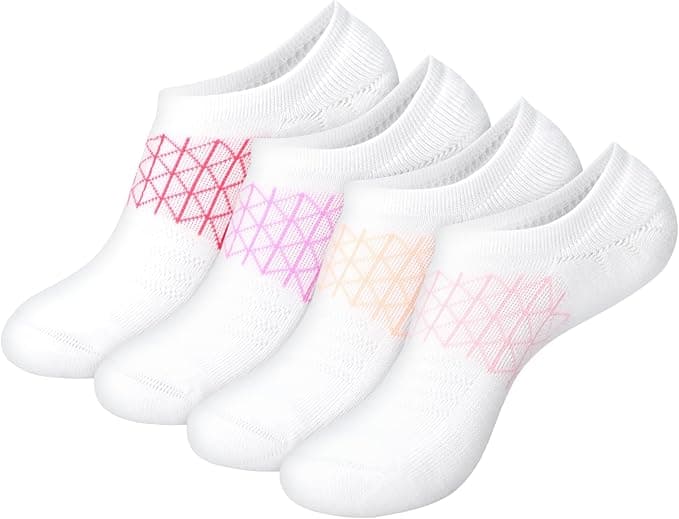
Whether you plan to run a marathon or power walk to the ice cream truck, your feet deserve a little luxury. These cushioned socks will feel like a hug as they help absorb impact and prevent potential foot issues like plantar fasciitis.
Hanes
Hanes Absolute Active No-Show Socks are the best budget-friendly socks.
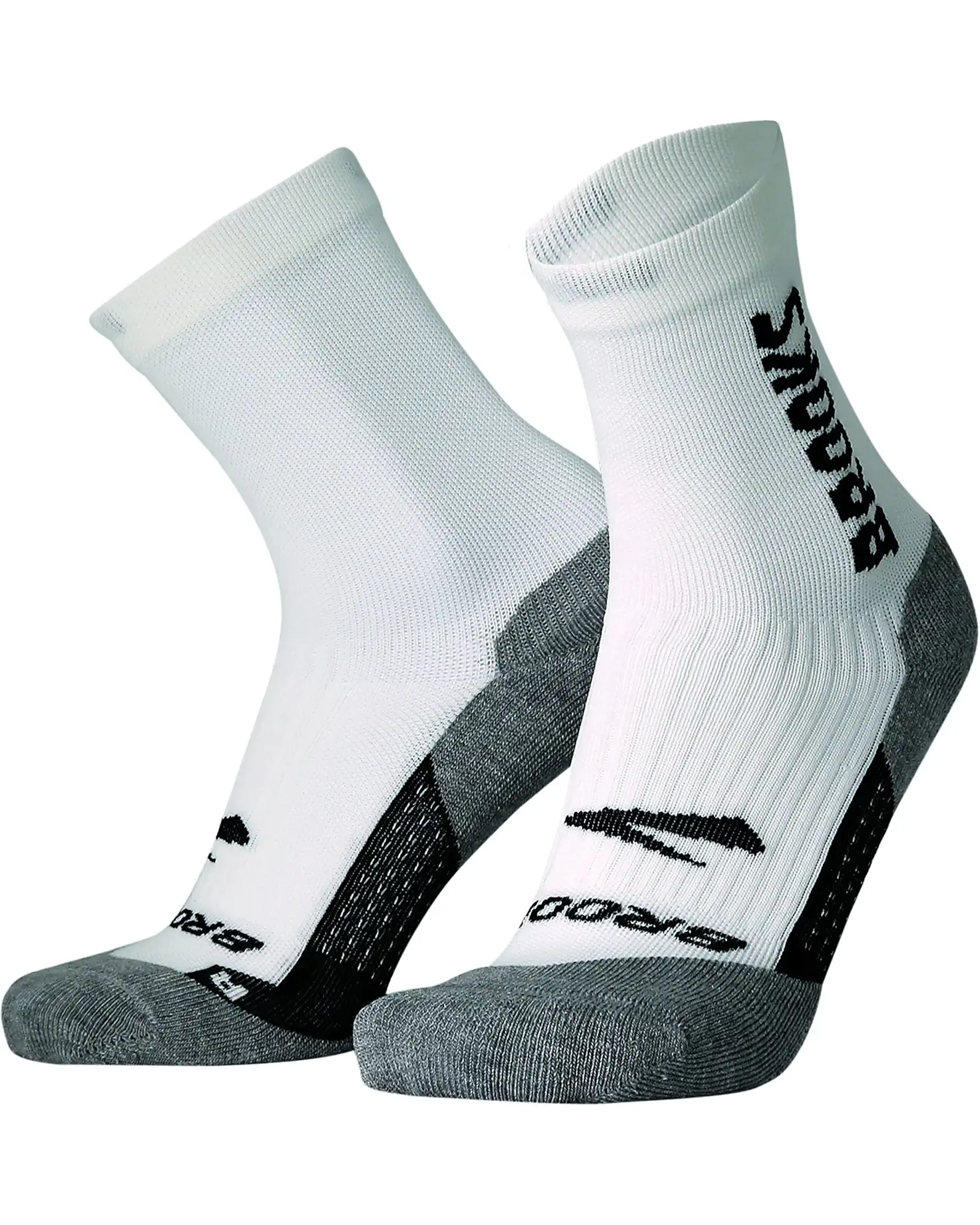
Brooks
Brooks Ghost Crew Socks are the best sweat-wicking socks.
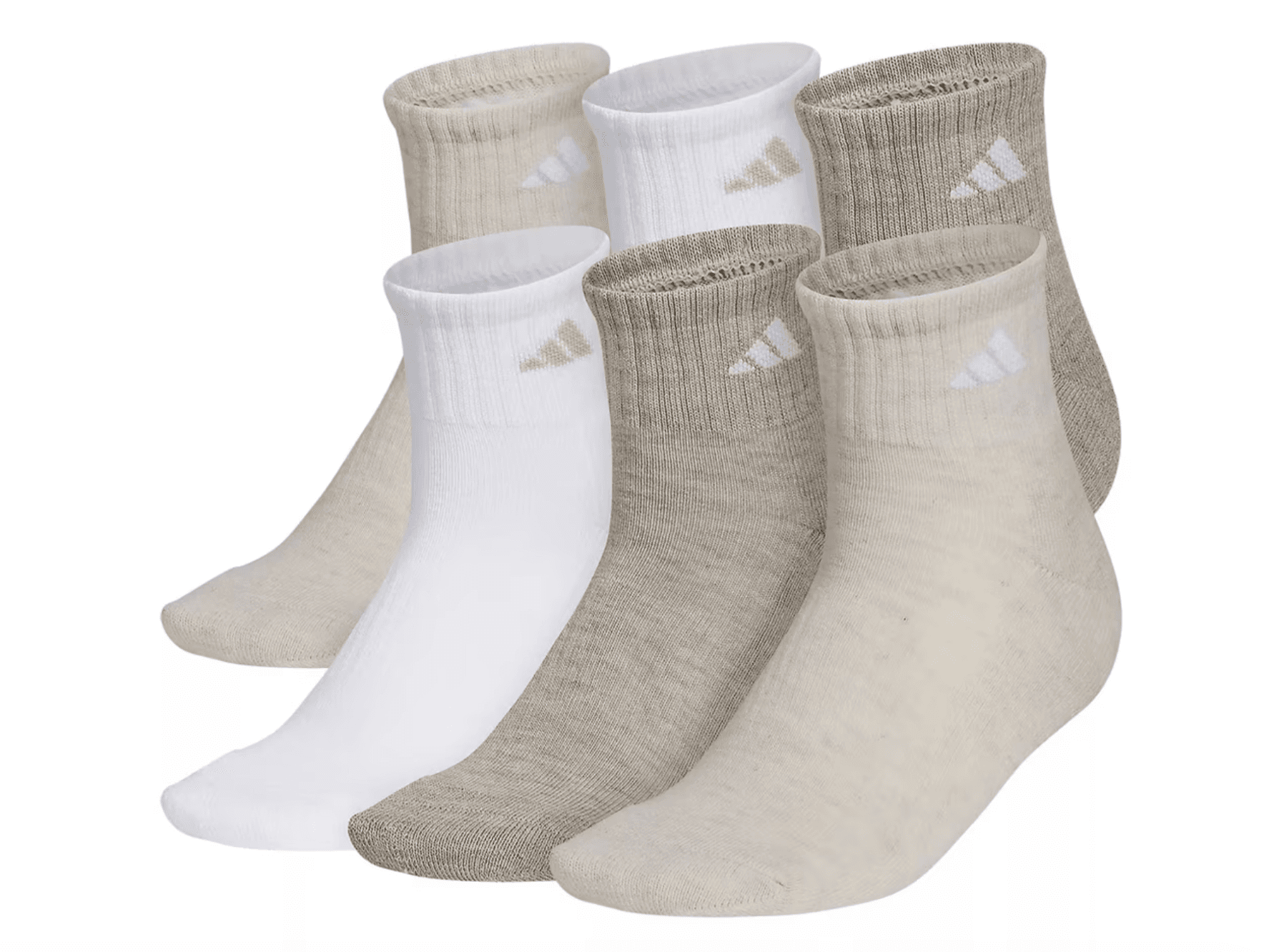
Adidas
Adidas Athletic Cushioned No-Show Socks are the best socks for walking.
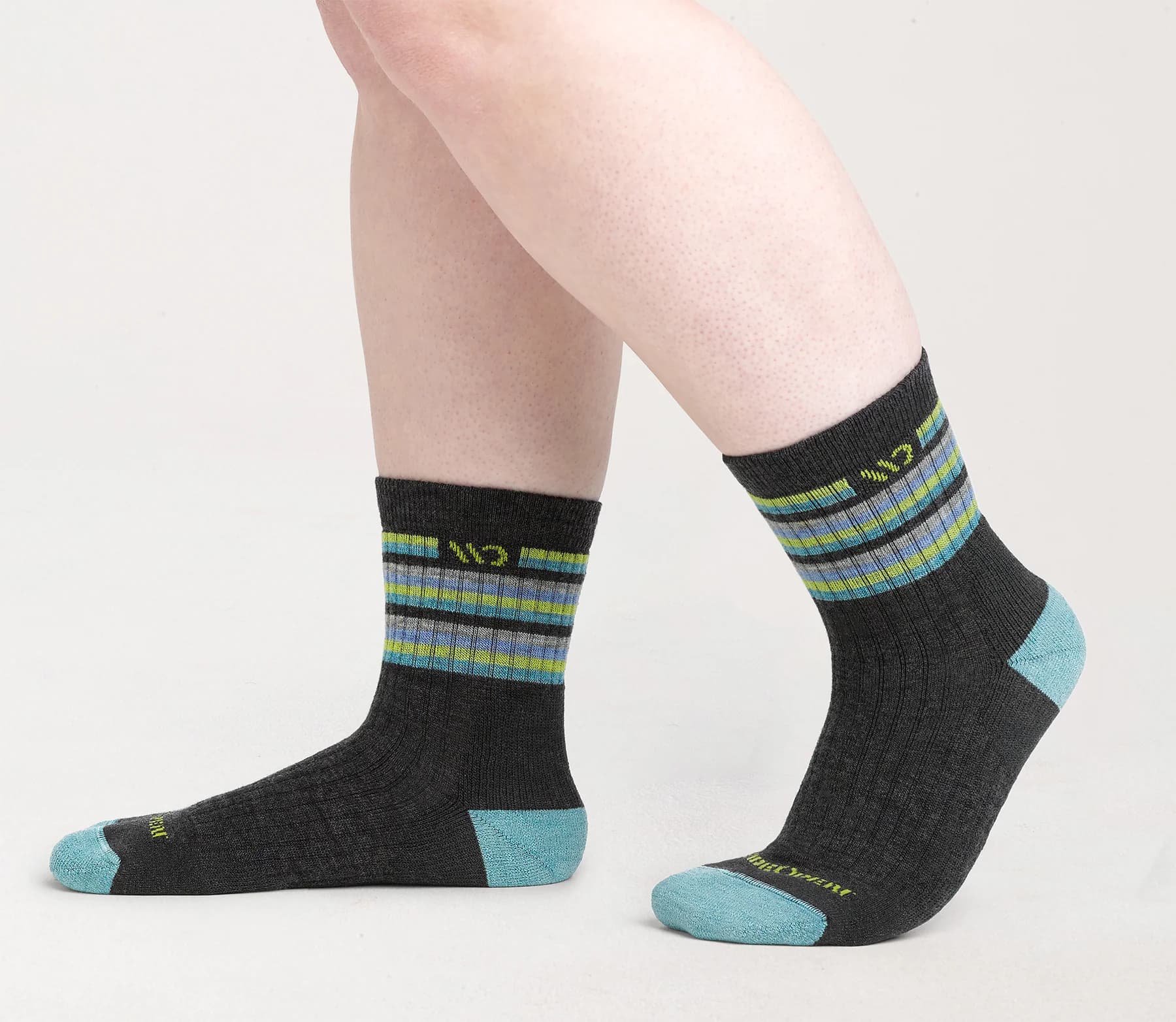
Wide Open
Wide Open Multi Stripe Cushioned Micro Crew Socks are the best socks for wide feet.
Here’s the full list of the best cushioned socks, according to experts.
Have a question, comment, or just want to be friends? Reach out to us at well@theskimm.com
Written by Anna Davies and Stephanie Gallman. Edited by Jordan Galloway and Kylie McConville.
Fact-checked by Barbara Kean, Jordan Mamone, and Sara Tardiff.
Live Smarter
Sign up for the Daily Skimm email newsletter. Delivered to your inbox every morning and prepares you for your day in minutes.