
Oh, Joy
I'm writing this from Cape Cod, where summer has officially arrived. The beaches are full, ice cream lines are long, and everyone seems just a little lighter than they did a month ago. Maybe that's why joy's been on my mind. Not happiness exactly — there’s a scientific difference — but those moments that stop you in your tracks and make you feel connected to other people, your surroundings, or life outside your own orbit. And lately, those experiences seem to be everywhere:
Like, this week’s Culture Study roundup of World Cup moments. We dare you to not feel something while watching.
Or the fact that I just got on the mahjong train… the idea of picking up a hobby at the same time as the rest of my millennial cohorts really lights me up.
But most of all, the thought of going on a “book-cation” to silently read in the presence of other booklovers makes my heart sing.
— Anna “We Didn’t Even Talk About the Viking Row on the Subway” Davies, writer

What's Making the Rounds
Jennifer Aniston says this simple mindset shift helped her stop chasing more and start feeling fulfilled.
The habits linked to longevity aren't exactly groundbreaking, but odds are you aren’t doing all of them.
Some of the most common health advice you've heard may not actually hold up. Doctors break down 15 myths they wish we'd all stop believing.
Is your feed recommending a “vaginal self-exam”? Gynos weigh in on whether these are really necessary for your health.
Despite what influencers say, better gut health may be much simpler to achieve than you think. No 12-step ritual required.
When your everyday free-floating anxiety is a bit too much… schedule a “safe scare.”

Endo an Era?
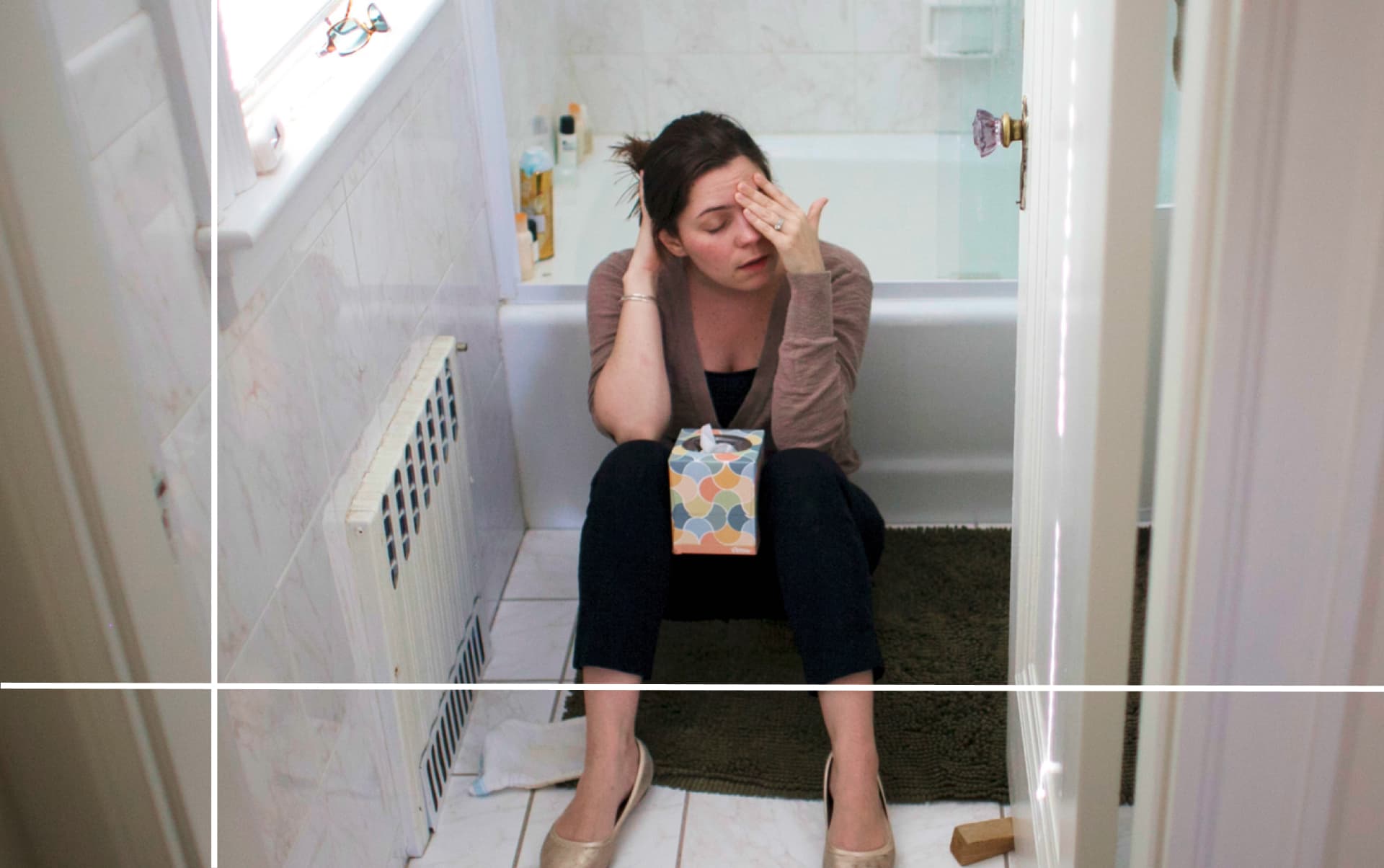
If you've ever been told your on-the-bathroom-floor period pain is "just cramps, hon," this one's for you. Endometriosis affects roughly 1 in 10 women, but it can take nearly a decade to get a diagnosis. Part of the problem? The lesions resulting from it are often too small and flat to show up on standard scans, so the definitive way to confirm them is exploratory surgery. Now, researchers think they may have found a faster, less-invasion option.
What’s going on: Specialists at Oxford are testing a new imaging technique that uses an injected agent to make endometriosis lesions light up on a scan. That includes the surface-level ones on abdominal lining standard screening tools tend to miss.
The promising part: In an early trial, the scan successfully identified lesions that would otherwise be difficult to detect, and showed zero false positives. The study was small, and it needs to clear larger trials before the technology lands at your gyno's office, but experts say so far, the results are promising.
Why it matters: Endo isn’t just bad period cramps. The condition can cause chronic pelvic pain, digestive issues, fatigue, fertility challenges, and symptoms that ripple through daily life. The faster people get answers, the sooner they can access treatment options and stop wondering whether what they're experiencing is "normal."
For Your Sanity:
Know that endo can grow on your bowel, bladder, and other body parts. So if your concerns feel "weird,” that doesn't necessarily mean they're in your head.
A heating pad isn’t the only device in your toolbox. Here’s what experts recommend to manage pain and flare-ups.
Track your symptoms, ask for imaging, and don't accept "some women have bad cramps." Self-care strategies can help you cope, but there’s no substitute for a full workup.

How concerned should I be about the Ebola outbreak?
FEATURED EXPERT:
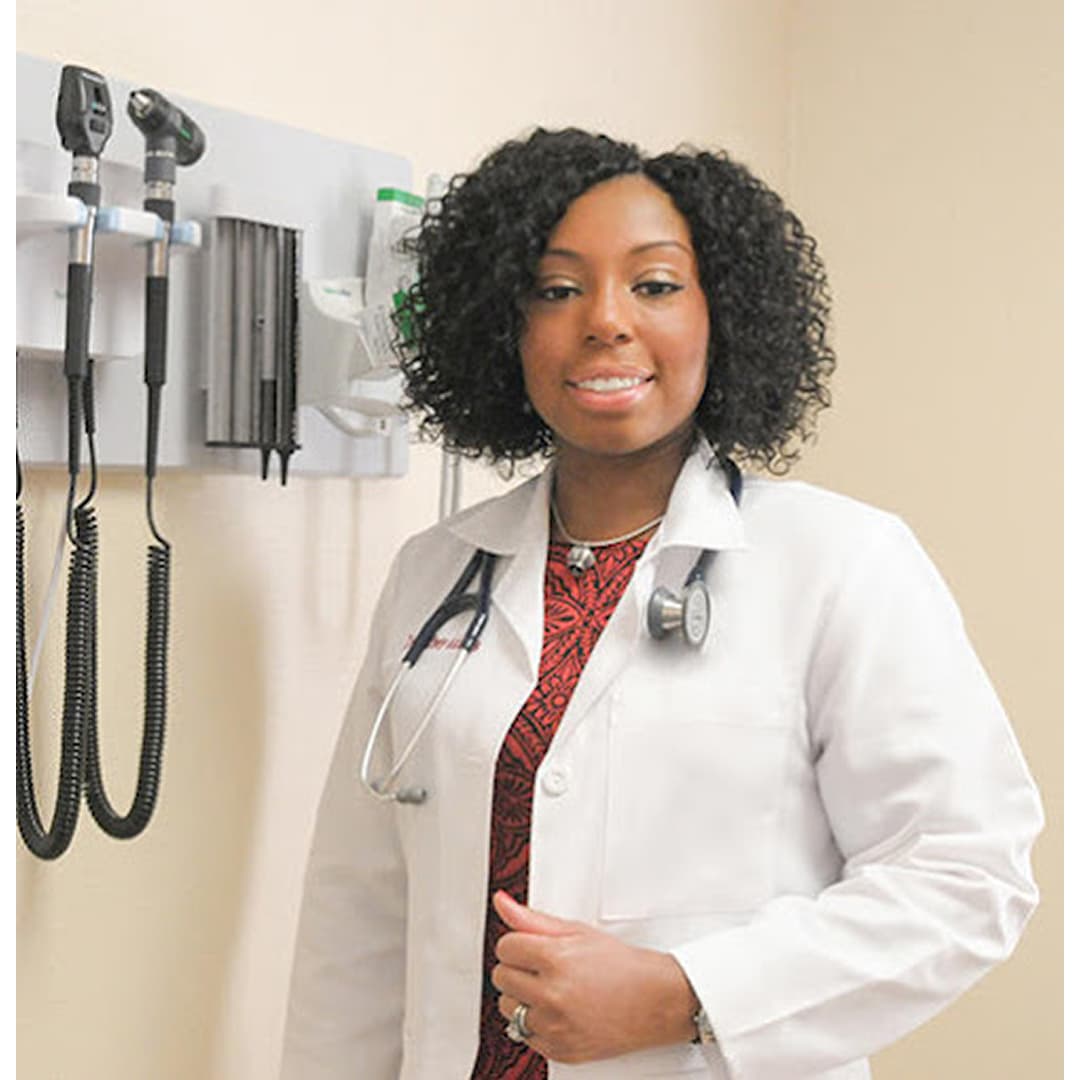
Alexea Gaffney-Adams, MD
A board-certified internal medicine and infectious disease specialist in Stony Brook, NY, and a Castle Connolly Top Doctor
“While there is currently an Ebola outbreak in the Democratic Republic of the Congo (DRC), with a limited number of linked cases reported in Uganda, the risk of a global outbreak remains low. Ebola is not spread through the air, water, food, or casual contact. These exposures most commonly occur among household contacts or healthcare workers caring for infected patients. To date, no Ebola cases associated with the current outbreak have been reported in the United States, and the CDC considers the risk to the American public and travelers to be low.
The primary risk factors for Ebola are travel to affected areas and close contact with an infected individual. Most travelers do not need to change their plans. However, individuals who have traveled to affected regions or who have had contact with a person infected with Ebola should monitor for symptoms for up to 21 days after exposure.
Although public health officials continue to monitor the Ebola outbreak closely, measles, influenza, and COVID-19 currently pose a greater infectious disease threat to most travelers attending large international gatherings. For travelers, the best protection remains staying up to date on recommended vaccinations, practicing good hand hygiene, avoiding travel when ill, and seeking medical attention if symptoms develop after international travel.”

Heart This
Only one in five people get enough flavanols, plant compounds best known for their antioxidant properties and ability to help blood vessels relax. That's good news for your heart and brain, which is why nutritionists love to see flavanol-rich foods and beverages make regular appearances in your routine.
Want to be one of the few who gets enough? Start here:
Eat them. Many are super easy to add to salads.
Drink them. Green tea, in particular, is a great source of flavanols.
Treat yourself. A few squares of dark chocolate (typically the darker the better) or flavanol-rich cocoa can help you get your daily dose.

Water You Waiting For?
You know that the best way to hydrate is to use a water bottle. But when it’s been rolling around in your car, gym bag, or purse for days, things can start to get a little… funky. Moisture and bacteria build-up can lead to that unmistakable taste and smell. Enter the UV water bottle, aka smart hydration. UV rays from the lid help “self-clean” the bottle, which can cut down on germs and odor. These top our list.
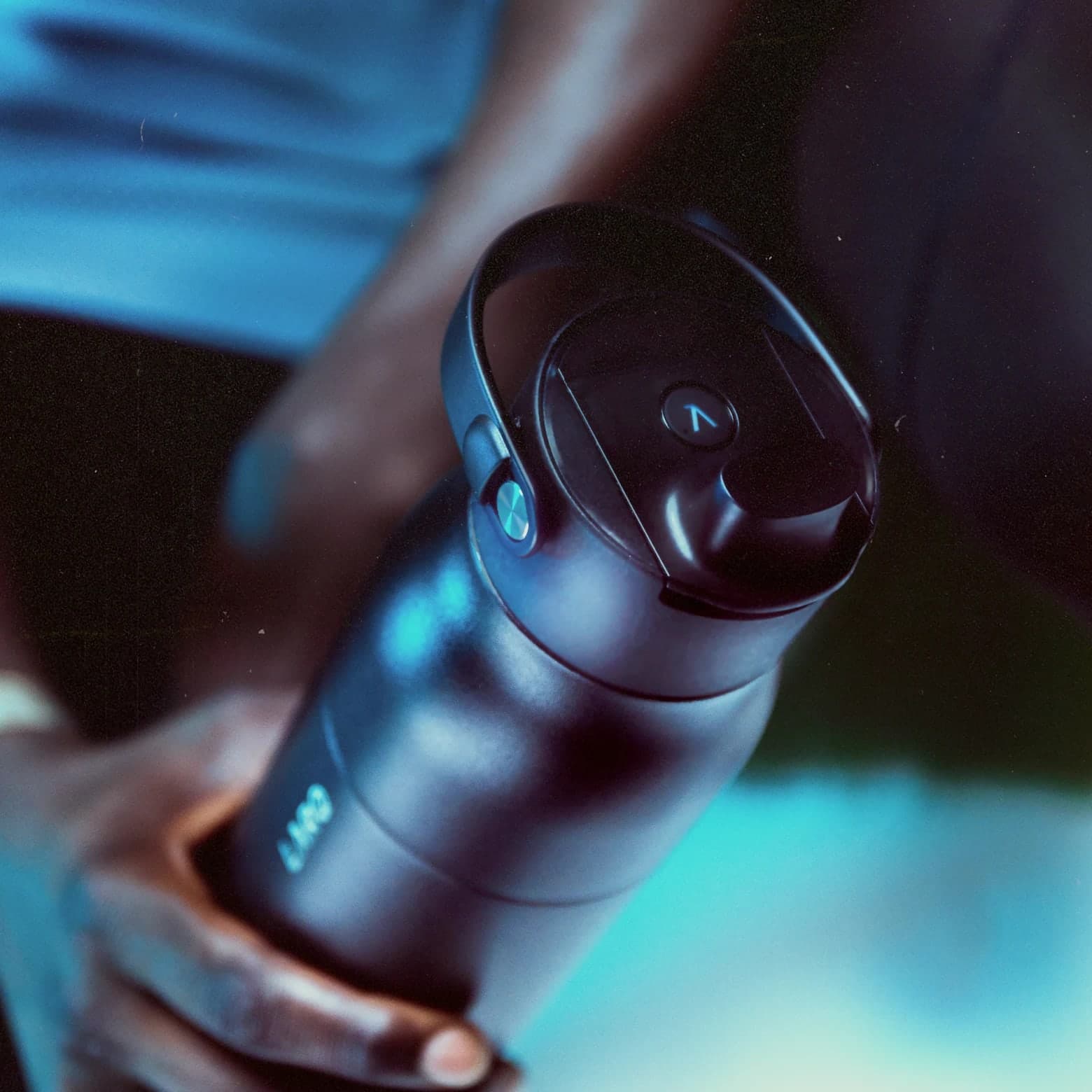
LARQ
LARQ Bottle PureVis 2 is the best UV water bottle for athletes.
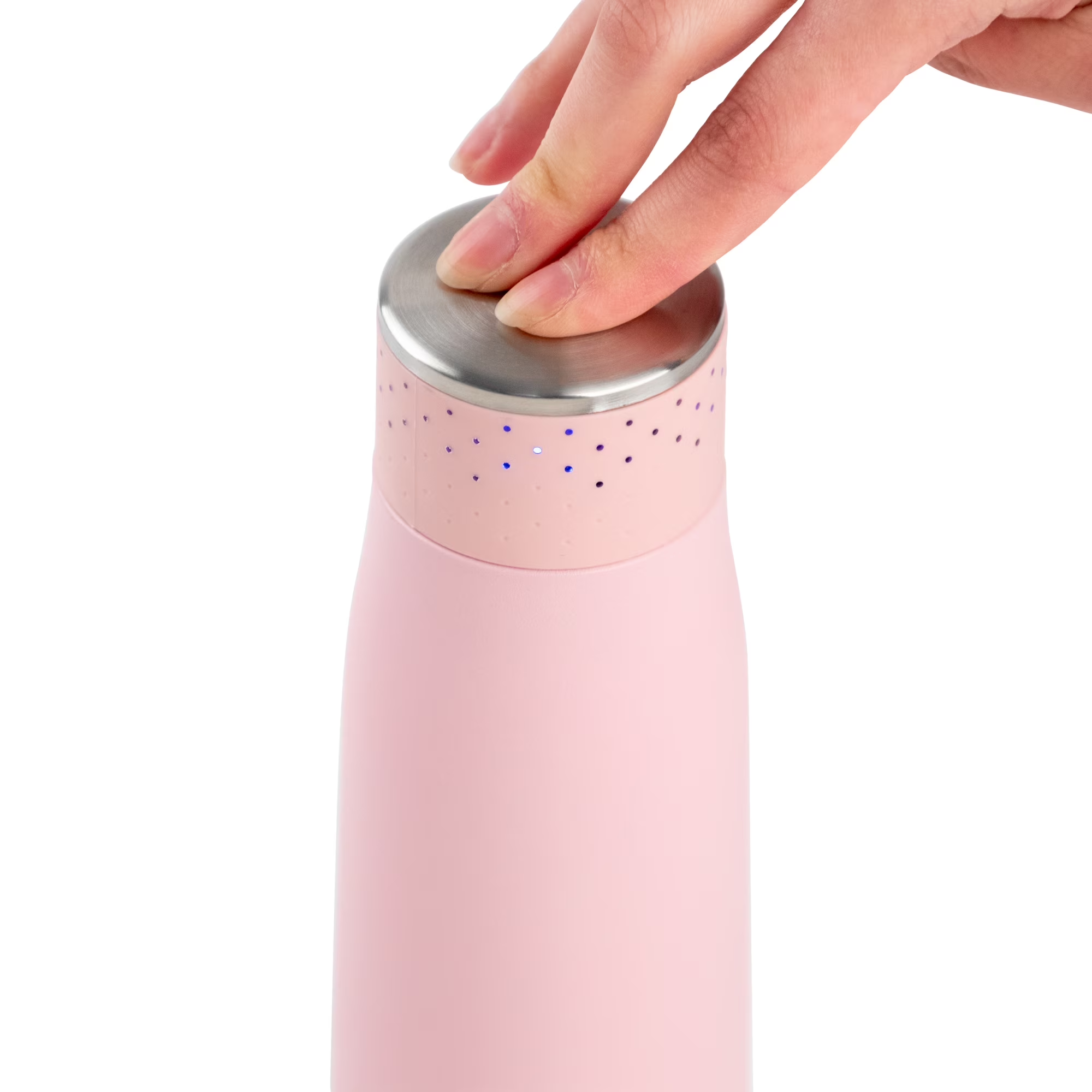
Tal
Tal Ultra Bottle is the best budget-friendly UV water bottle.
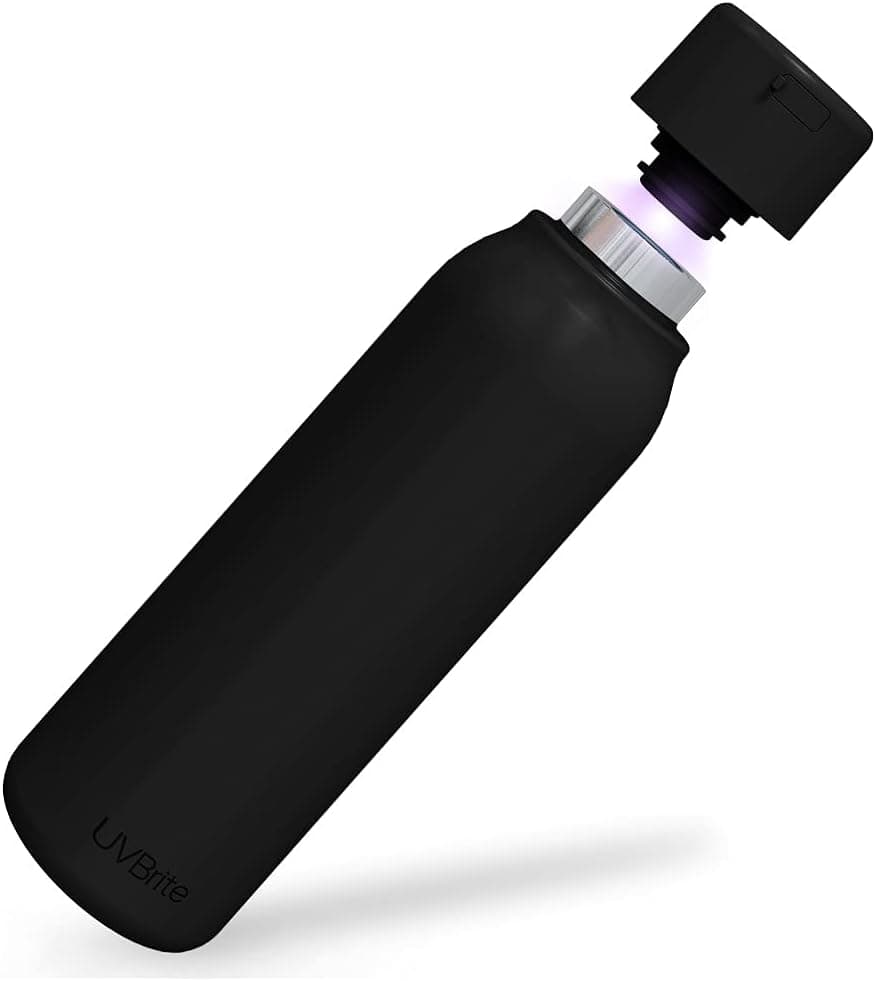
UVBrite
UVBrite Go Bottle is the best UV water bottle for travel.
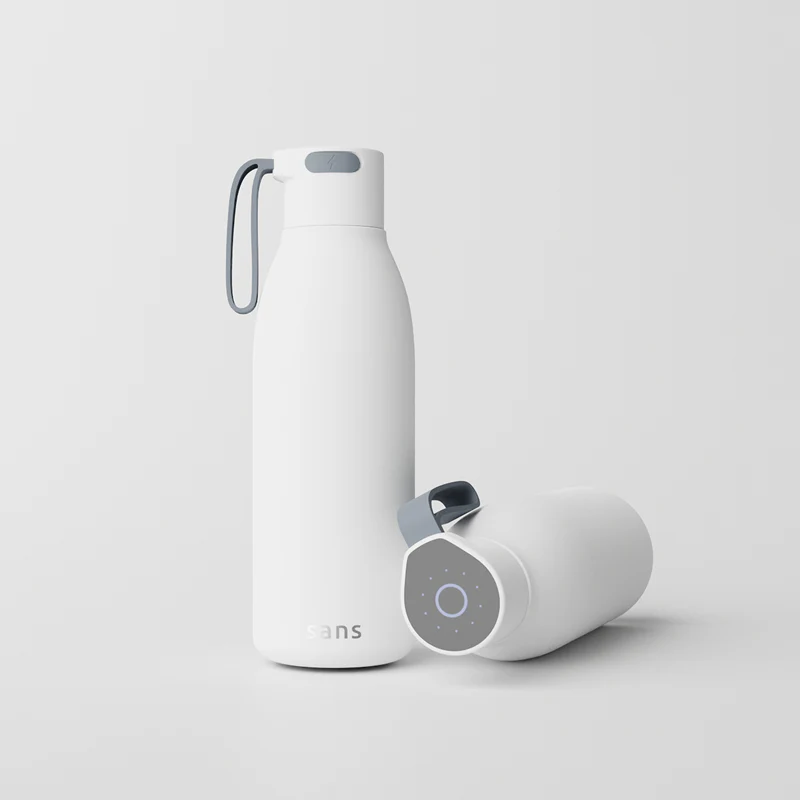
Sans
Sans Self-Cleaning Water Bottle is the best UV water bottle for parents.
Here’s the full list of the best UV water bottles, according to experts.

Freeze!
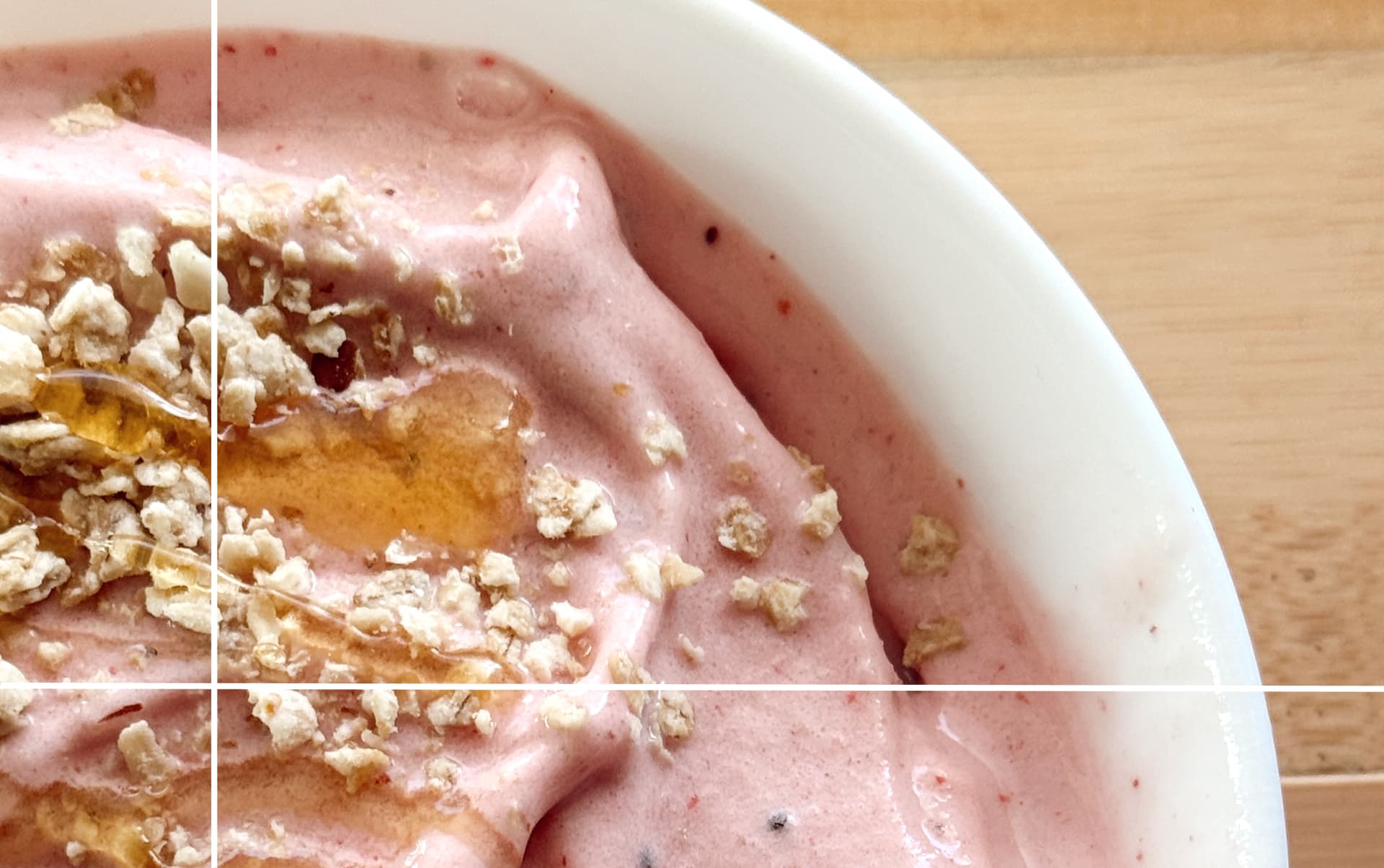
Forget the protein shake. The best way to hit your macro goals this summer is frozen, sweet, and best enjoyed while standing in front of the open freezer. These three taste like dessert and quietly do the protein math for you.
Cottage cheese ice cream. The dairy staple churns into a shockingly creamy frozen dessert that tastes nothing like its tub of origin.
Greek yogurt mochi. Need a bite-sized pick-me-up? Thesebring all the bounce minus the blood sugar crash.
Frozen "Snickers" bar. Keeping a batch of these on ice is better than an ice cream truck run.

Oh, Joy
I'm writing this from Cape Cod, where summer has officially arrived. The beaches are full, ice cream lines are long, and everyone seems just a little lighter than they did a month ago. Maybe that's why joy's been on my mind. Not happiness exactly — there’s a scientific difference — but those moments that stop you in your tracks and make you feel connected to other people, your surroundings, or life outside your own orbit. And lately, those experiences seem to be everywhere:
Like, this week’s Culture Study roundup of World Cup moments. We dare you to not feel something while watching.
Or the fact that I just got on the mahjong train… the idea of picking up a hobby at the same time as the rest of my millennial cohorts really lights me up.
But most of all, the thought of going on a “book-cation” to silently read in the presence of other booklovers makes my heart sing.
— Anna “We Didn’t Even Talk About the Viking Row on the Subway” Davies, writer
What's Making the Rounds
Jennifer Aniston says this simple mindset shift helped her stop chasing more and start feeling fulfilled.
The habits linked to longevity aren't exactly groundbreaking, but odds are you aren’t doing all of them.
Some of the most common health advice you've heard may not actually hold up. Doctors break down 15 myths they wish we'd all stop believing.
Is your feed recommending a “vaginal self-exam”? Gynos weigh in on whether these are really necessary for your health.
Despite what influencers say, better gut health may be much simpler to achieve than you think. No 12-step ritual required.
When your everyday free-floating anxiety is a bit too much… schedule a “safe scare.”
Endo an Era?
If you've ever been told your on-the-bathroom-floor period pain is "just cramps, hon," this one's for you. Endometriosis affects roughly 1 in 10 women, but it can take nearly a decade to get a diagnosis. Part of the problem? The lesions resulting from it are often too small and flat to show up on standard scans, so the definitive way to confirm them is exploratory surgery. Now, researchers think they may have found a faster, less-invasion option.
What’s going on: Specialists at Oxford are testing a new imaging technique that uses an injected agent to make endometriosis lesions light up on a scan. That includes the surface-level ones on abdominal lining standard screening tools tend to miss.
The promising part: In an early trial, the scan successfully identified lesions that would otherwise be difficult to detect, and showed zero false positives. The study was small, and it needs to clear larger trials before the technology lands at your gyno's office, but experts say so far, the results are promising.
Why it matters: Endo isn’t just bad period cramps. The condition can cause chronic pelvic pain, digestive issues, fatigue, fertility challenges, and symptoms that ripple through daily life. The faster people get answers, the sooner they can access treatment options and stop wondering whether what they're experiencing is "normal."
For Your Sanity:
Know that endo can grow on your bowel, bladder, and other body parts. So if your concerns feel "weird,” that doesn't necessarily mean they're in your head.
A heating pad isn’t the only device in your toolbox. Here’s what experts recommend to manage pain and flare-ups.
Track your symptoms, ask for imaging, and don't accept "some women have bad cramps." Self-care strategies can help you cope, but there’s no substitute for a full workup.
How concerned should I be about the Ebola outbreak?
FEATURED EXPERT:
Alexea Gaffney-Adams, MD
A board-certified internal medicine and infectious disease specialist in Stony Brook, NY, and a Castle Connolly Top Doctor
“While there is currently an Ebola outbreak in the Democratic Republic of the Congo (DRC), with a limited number of linked cases reported in Uganda, the risk of a global outbreak remains low. Ebola is not spread through the air, water, food, or casual contact. These exposures most commonly occur among household contacts or healthcare workers caring for infected patients. To date, no Ebola cases associated with the current outbreak have been reported in the United States, and the CDC considers the risk to the American public and travelers to be low.
The primary risk factors for Ebola are travel to affected areas and close contact with an infected individual. Most travelers do not need to change their plans. However, individuals who have traveled to affected regions or who have had contact with a person infected with Ebola should monitor for symptoms for up to 21 days after exposure.
Although public health officials continue to monitor the Ebola outbreak closely, measles, influenza, and COVID-19 currently pose a greater infectious disease threat to most travelers attending large international gatherings. For travelers, the best protection remains staying up to date on recommended vaccinations, practicing good hand hygiene, avoiding travel when ill, and seeking medical attention if symptoms develop after international travel.”
Live Smarter
Sign up for the Daily Skimm email newsletter. Delivered to your inbox every morning and prepares you for your day in minutes.