
“What Do You Want To Do?”
I just took my 11-year-old to sleepaway camp. As a solo parent, this is major. For the first time in forever, my days aren't built around drop-offs and pickups, and I want to use that rare unstructured time intentionally. Yes, I still have work. But when I’m not on the clock, this is what I plan to add to my remarkably open calendar:
I’ve decided to follow the advice of happiness experts and design my summer around a single word. Mine’s “stretch” (in every sense) — here’s how to find yours.
I'm deep into a fitness challenge at my local gym, but I also sneak in 10 minutes of this exercise whenever I can because research finds it may lower stress and improve recovery.
My singing class took a field trip to watch our teacher in a Broadway show this week. It reminded me that hobbies make life bigger, and two hours of any of these can boost your health and happiness. (Bonus: the fourth one works from the carpool line.)
— Anna “Home Alone” Davies, writer
PS: Turns out 21 days to develop a new habit might be a myth. A recent analysis says it’d be better to follow this blueprint for behavior change.

What's Making the Rounds
A new breast cancer breakthrough may soon let patients with certain diagnoses skip traditional chemo.
Creatine’s muscle-building benefits are well documented. Now scientists are studying its impacts on women’s mental health, and early findings are intriguing.
One scientist says the gap in knowledge about postmenopausal ovary biology is "a little bit frightening." Researchers are just discovering how much they don't know.
“Margarita burn” sounds like a punch line… but dermatologists say it’s actually a very real summer buzzkill.
A gut-health scientist shares her four lazy ways to eat more fiber, and we appreciate how on-the-go-friendly they are.
Lyme isn’t the only tick-borne disease to be aware of this season. The CDC says cases of a rarer illness (sometimes with severe neurological symptoms) are on the rise.

Damage Control

Tanning is on a rehabilitation tour complete with a sympathetic book deal and a few influencer surrogates. For years the message was simple: UV exposure can cause skin cancer, so cover up and wear SPF. But a new wave of “heliophants” say dermatologists have "demonized" the sun, that many of us are low on vitamin D as a result, and that sunscreen might do more harm than good. So let’s shine some light on those claims, shall we?
Where the science stands: Sunlight does help your body synthesize vitamin D in a way that supplements may not, uplifts your mood, and helps set your sleep clock. Fortunately, 10 to 30 minutes of daylight on average (even with sunscreen) covers most people's vitamin D needs. SPF skeptics often base safety concerns about sunscreen on a 2020 study that found some sunscreen ingredients can be absorbed into the bloodstream. But scientists haven't found evidence that those absorbed ingredients are harmful. Meanwhile skin cancer is the most common cancer in the US, and long-term studies consistently suggest sunscreen can meaningfully lower your risk.
For Your Sanity:
Skip the tanning bed. We can’t believe we’re typing this, but about 1 in 5 Gen Zers say a tan matters more to them than preventing skin cancer. Send them this article.
Avoid peak sun. UV rays are strongest between 10 am and 4 pm. That's your window to seek shade, cover up, and reapply.
Keep up your yearly skin checks. Just five sunburns between ages 15 and 20 with this telltale sign of seriousness can raise your melanoma risk by 80%. See a derm at least once a year, and check yourself at home, including seven spots you'd never think to look.
Know your vitamin D risk. New research suggests some groups may not get enough vitamin D from sun exposure alone, even during the summer months.

I'm counting grams. I'm adding protein powder. But a new review says it may not be enough. So... how much protein do I really need?
FEATURED EXPERT:
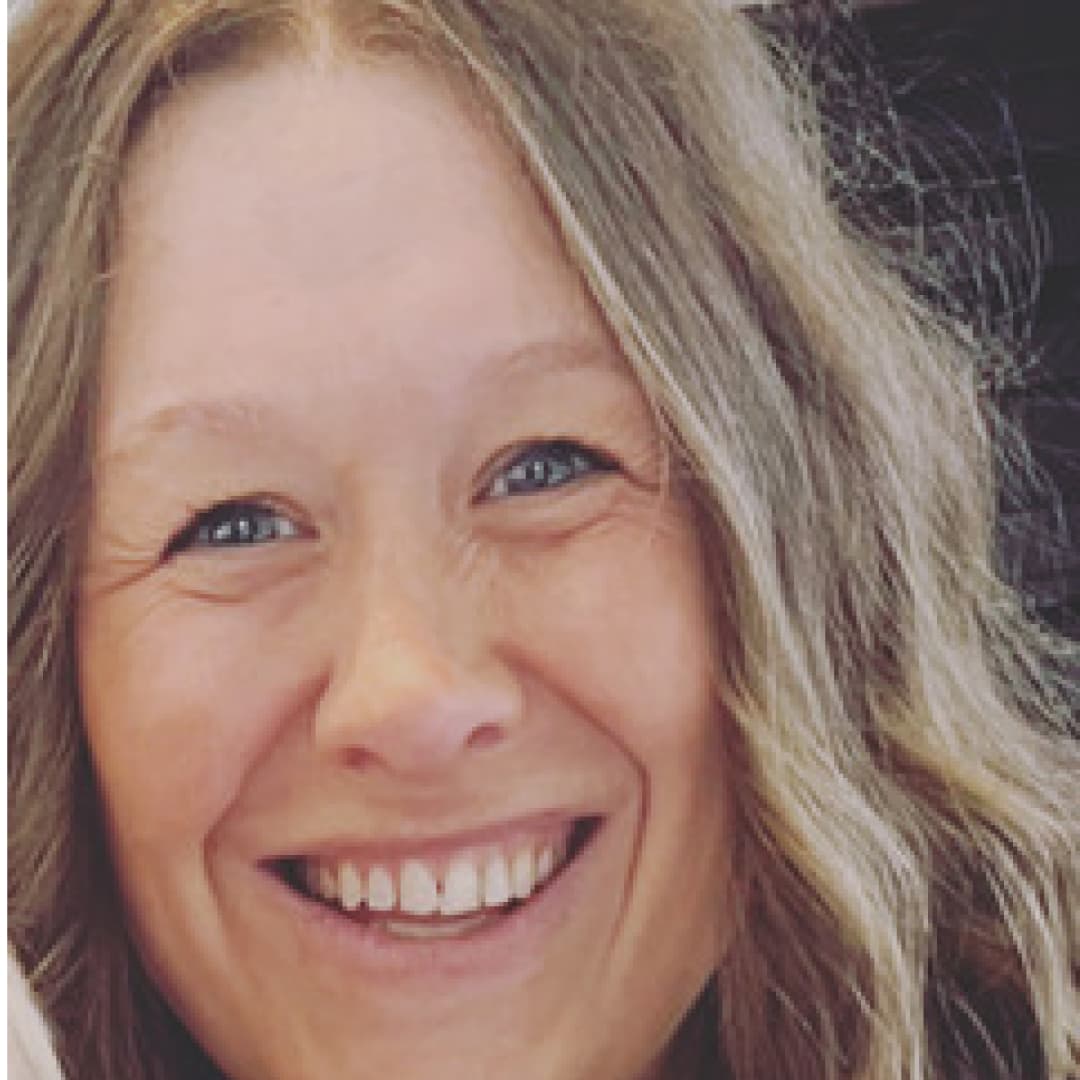
Heather Ritter
RDN, a registered dietitian based in Chicago, IL, and a nutrition expert at Health Loft.
"Current protein guidelines aim to prevent deficiency in sedentary adults rather than optimize health. Emerging research suggests that pregnant individuals, older adults, and physically active people achieve better outcomes for muscle retention and healthy aging with higher intake. While the official minimum is 0.36g per pound of body weight, this is often insufficient for goals like postexercise recovery, satiety, and muscle maintenance.
For better results, target 0.5–0.7g of protein per pound of body weight, evenly distributed across meals. Prioritize protein at breakfast, as it is often the meal with the lowest protein content. Strength trainers and older adults should aim for the higher end of this range. You can achieve this intake through diverse sources, including yogurt, lentils, eggs, tofu, and beans, rather than relying solely on shakes or meat."
PS: This handy protein calculator can help you personalize your intake even further, based on your age, activity level, and goals.

A Head Start
Two-thirds of Alzheimer's patients are women, and the old explanation — they just live longer — is falling apart. Newer research suggests the everyday risk factors on every "protect your brain" checklist hit women's cognition harder than men’s. The upside? Midlife is also when prevention does the most work. Three things worth doing now:
Treat sleep like medicine. New research suggests that, aside from genetics, it may matter more for Alzheimer’s risk than scientists once thought.
Book the hearing test you keep skipping. Of all the dementia risk factors within our control, untreated hearing loss is one of the biggest.
Get your blood pressure checked. Hypertension is linked to a higher risk of Alzheimer's, and treating it now may help protect your brain later.

Berried Treasure
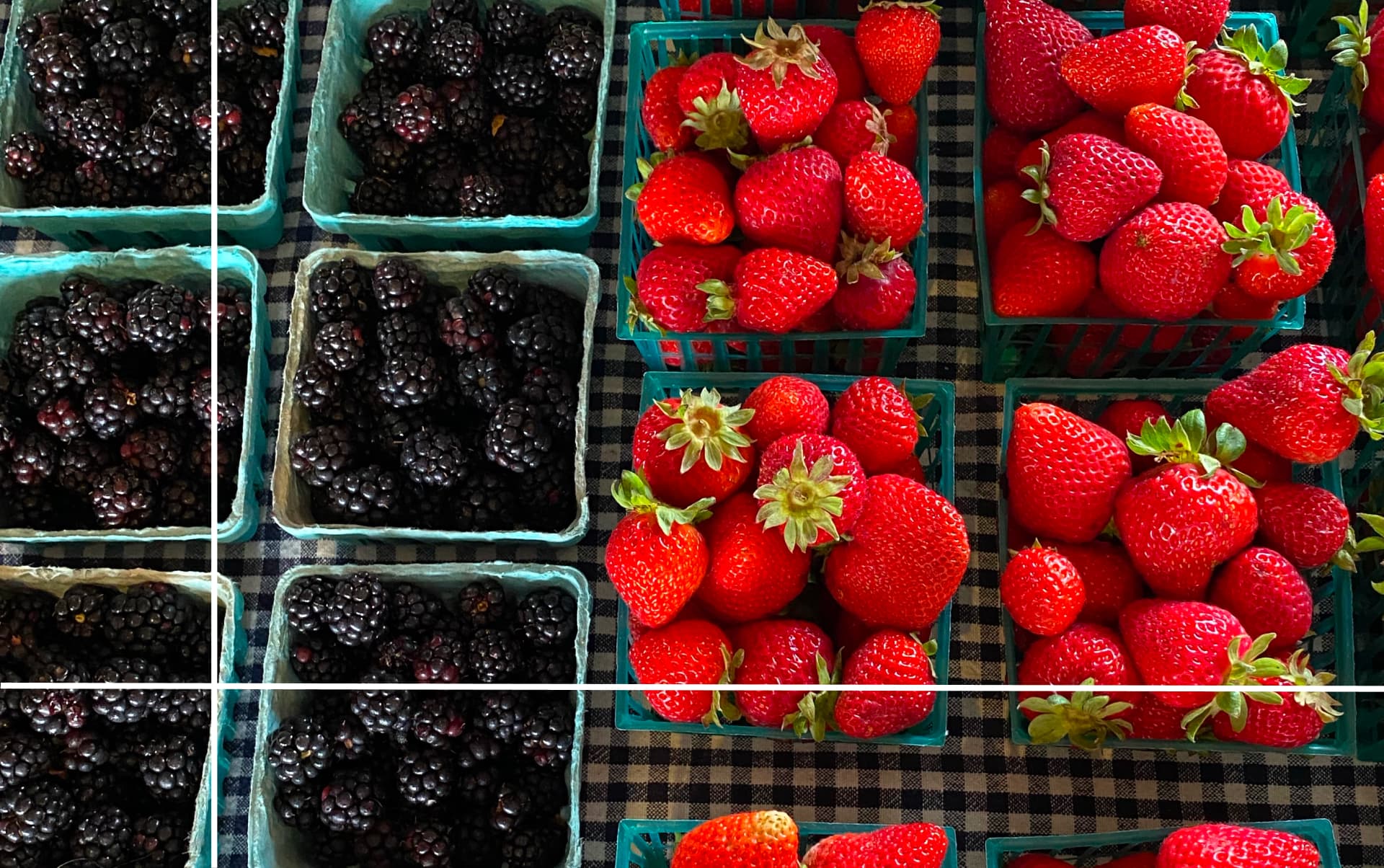
We wouldn’t be surprised if Betsy Ross had a bowl of strawberries and blueberries by her side while she was stitching the American flag. These summer staples are classic for a reason: They’re sweet, snackable, toddler-approved, and packed with antioxidants, fiber, and vitamins that may help support heart health, tame inflammation, and keep blood sugar stable. Bring one of these treats to your next gathering, and remember, frozen is perfectly valid.
Berry bark. Snackable breakaway bites offer the same sweet-tart taste of chocolate-covered strawberries, with less mess.
Berry crumble. A 30-minute, fiber-friendly dessert that tastes like pie without requiring you to make pie. The oat topping does the heavy lifting. Vanilla ice cream optional but emotionally recommended.
Yogurt bites. Use a silicone mold if you’re feeling polished. Or a spoon and a parchment-lined tray for delicious blobs of joy. Add a popsicle stick and suddenly you’re “making summer memories.”
PS: Eating berries plain is great, too. Here’s how to make them last for up to two weeks.

Gut Check
Your gut loves a good party. Probiotics (the good bacteria) are the VIP guests, and prebiotics are the snacks that keep them hanging around. Together, they help support digestion, immune function, and overall gut health. Here, some probiotic blends to consider adding to your cart.
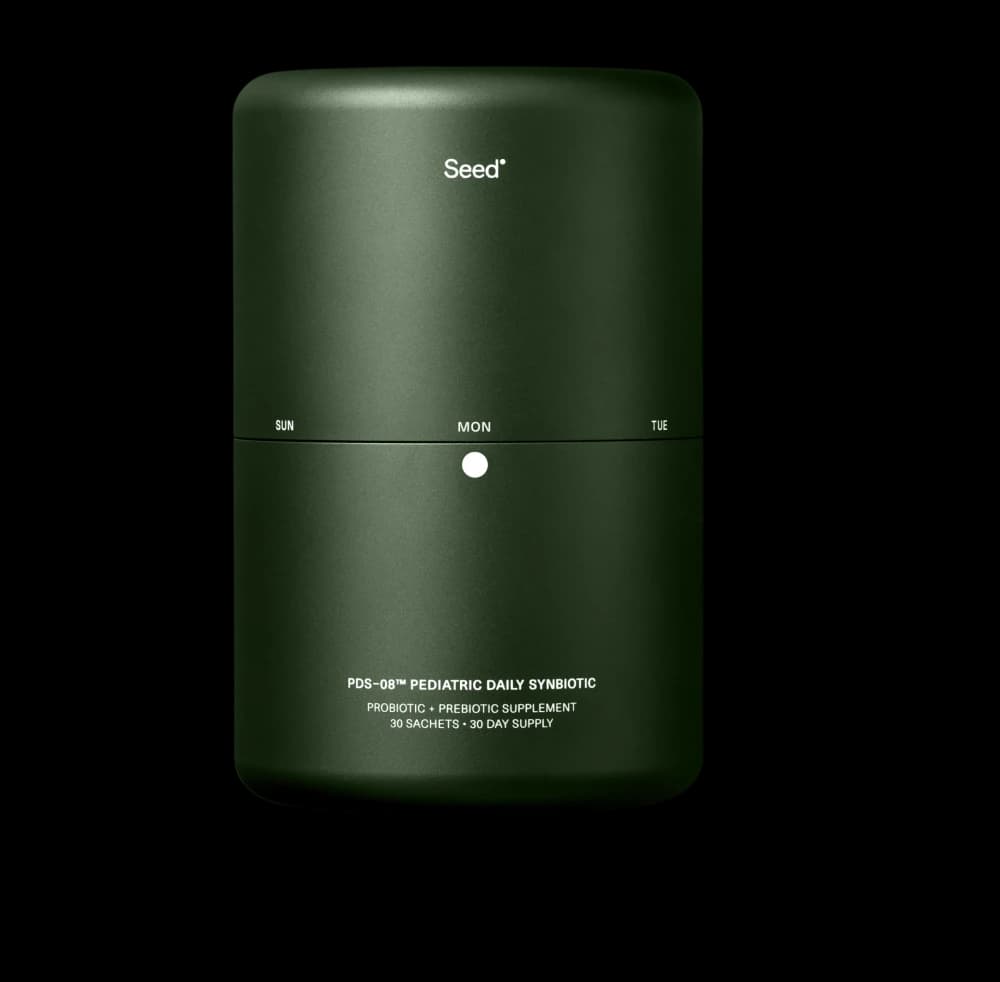
Seed
Seed PDS-08 Pediatric Daily Synbiotic is the best gut health supplement for kids.
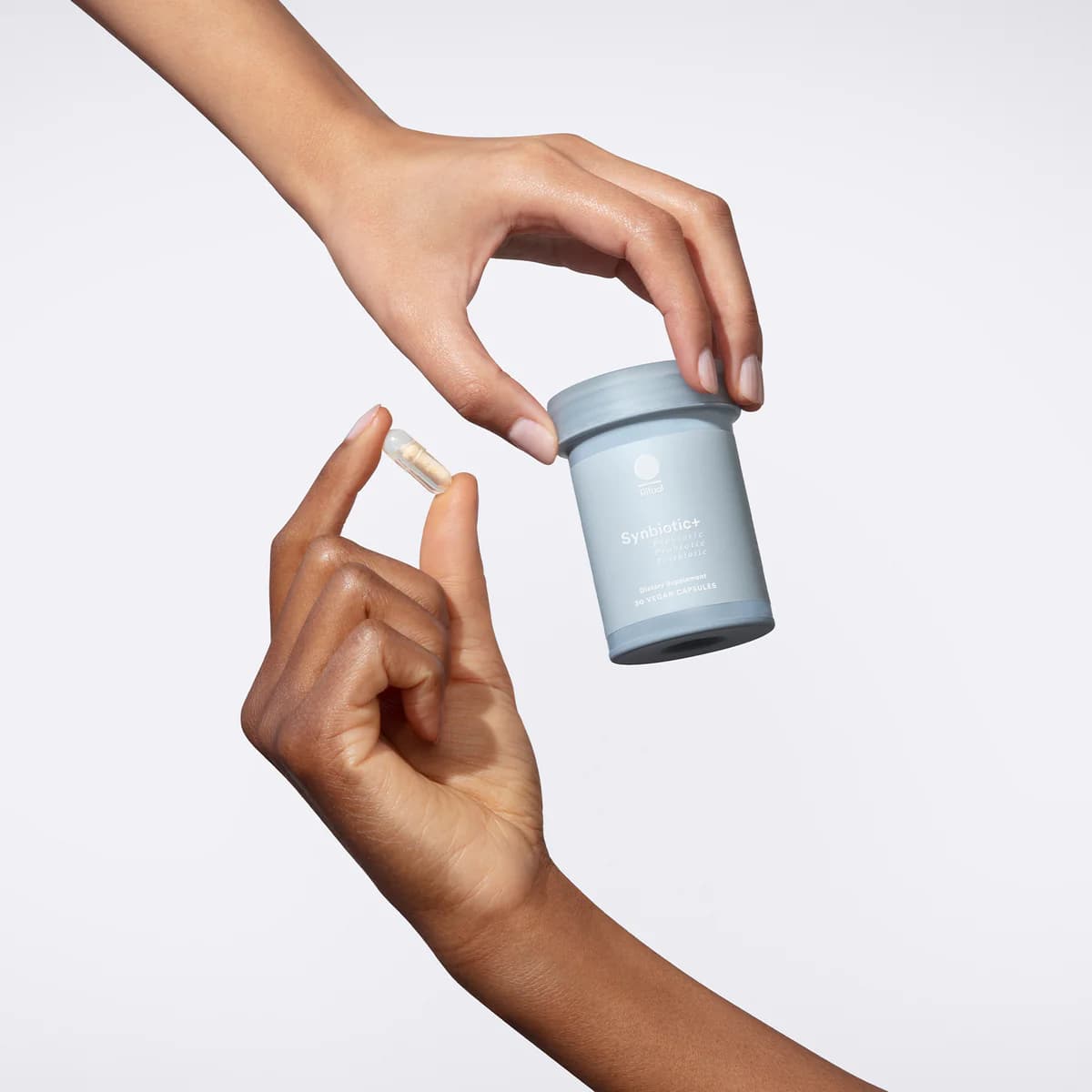
Ritual
Ritual Synbiotic+ is a subscription-option probiotic blend.
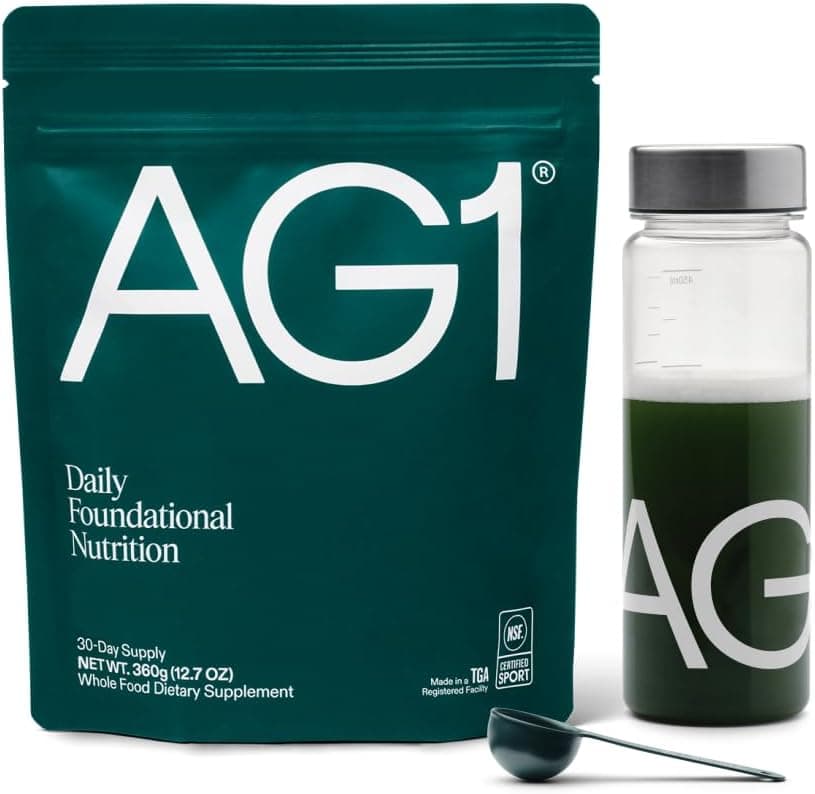
AG1
AG1 combines probiotics into a multivitamin.
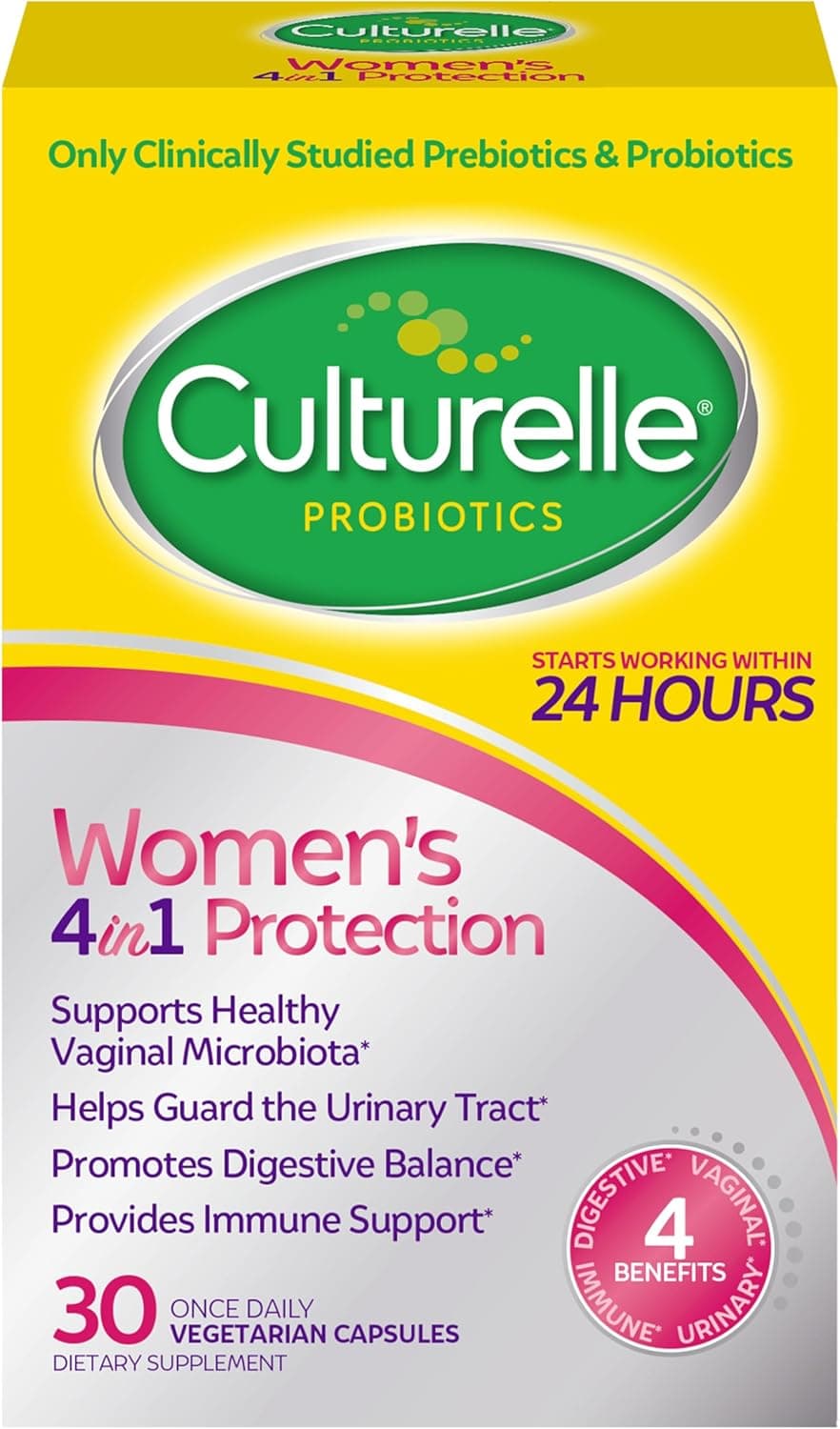
Culturelle Probiotics
Culturelle Probiotics Women’s 4-in-1 Protection is designed to support vaginal as well as digestive health.
Here’s the full list of the best prebiotics and probiotics, according to experts.

“What Do You Want To Do?”
I just took my 11-year-old to sleepaway camp. As a solo parent, this is major. For the first time in forever, my days aren't built around drop-offs and pickups, and I want to use that rare unstructured time intentionally. Yes, I still have work. But when I’m not on the clock, this is what I plan to add to my remarkably open calendar:
I’ve decided to follow the advice of happiness experts and design my summer around a single word. Mine’s “stretch” (in every sense) — here’s how to find yours.
I'm deep into a fitness challenge at my local gym, but I also sneak in 10 minutes of this exercise whenever I can because research finds it may lower stress and improve recovery.
My singing class took a field trip to watch our teacher in a Broadway show this week. It reminded me that hobbies make life bigger, and two hours of any of these can boost your health and happiness. (Bonus: the fourth one works from the carpool line.)
— Anna “Home Alone” Davies, writer
PS: Turns out 21 days to develop a new habit might be a myth. A recent analysis says it’d be better to follow this blueprint for behavior change.
What's Making the Rounds
A new breast cancer breakthrough may soon let patients with certain diagnoses skip traditional chemo.
Creatine’s muscle-building benefits are well documented. Now scientists are studying its impacts on women’s mental health, and early findings are intriguing.
One scientist says the gap in knowledge about postmenopausal ovary biology is "a little bit frightening." Researchers are just discovering how much they don't know.
“Margarita burn” sounds like a punch line… but dermatologists say it’s actually a very real summer buzzkill.
A gut-health scientist shares her four lazy ways to eat more fiber, and we appreciate how on-the-go-friendly they are.
Lyme isn’t the only tick-borne disease to be aware of this season. The CDC says cases of a rarer illness (sometimes with severe neurological symptoms) are on the rise.
Damage Control
Tanning is on a rehabilitation tour complete with a sympathetic book deal and a few influencer surrogates. For years the message was simple: UV exposure can cause skin cancer, so cover up and wear SPF. But a new wave of “heliophants” say dermatologists have "demonized" the sun, that many of us are low on vitamin D as a result, and that sunscreen might do more harm than good. So let’s shine some light on those claims, shall we?
Where the science stands: Sunlight does help your body synthesize vitamin D in a way that supplements may not, uplifts your mood, and helps set your sleep clock. Fortunately, 10 to 30 minutes of daylight on average (even with sunscreen) covers most people's vitamin D needs. SPF skeptics often base safety concerns about sunscreen on a 2020 study that found some sunscreen ingredients can be absorbed into the bloodstream. But scientists haven't found evidence that those absorbed ingredients are harmful. Meanwhile skin cancer is the most common cancer in the US, and long-term studies consistently suggest sunscreen can meaningfully lower your risk.
For Your Sanity:
Skip the tanning bed. We can’t believe we’re typing this, but about 1 in 5 Gen Zers say a tan matters more to them than preventing skin cancer. Send them this article.
Avoid peak sun. UV rays are strongest between 10 am and 4 pm. That's your window to seek shade, cover up, and reapply.
Keep up your yearly skin checks. Just five sunburns between ages 15 and 20 with this telltale sign of seriousness can raise your melanoma risk by 80%. See a derm at least once a year, and check yourself at home, including seven spots you'd never think to look.
Know your vitamin D risk. New research suggests some groups may not get enough vitamin D from sun exposure alone, even during the summer months.
I'm counting grams. I'm adding protein powder. But a new review says it may not be enough. So... how much protein do I really need?
FEATURED EXPERT:
Heather Ritter
RDN, a registered dietitian based in Chicago, IL, and a nutrition expert at Health Loft.
"Current protein guidelines aim to prevent deficiency in sedentary adults rather than optimize health. Emerging research suggests that pregnant individuals, older adults, and physically active people achieve better outcomes for muscle retention and healthy aging with higher intake. While the official minimum is 0.36g per pound of body weight, this is often insufficient for goals like postexercise recovery, satiety, and muscle maintenance.
For better results, target 0.5–0.7g of protein per pound of body weight, evenly distributed across meals. Prioritize protein at breakfast, as it is often the meal with the lowest protein content. Strength trainers and older adults should aim for the higher end of this range. You can achieve this intake through diverse sources, including yogurt, lentils, eggs, tofu, and beans, rather than relying solely on shakes or meat."
PS: This handy protein calculator can help you personalize your intake even further, based on your age, activity level, and goals.
Live Smarter
Sign up for the Daily Skimm email newsletter. Delivered to your inbox every morning and prepares you for your day in minutes.