we have to talk about…

Supporting Your Brain Health Now and Later
Just like the rest of your body, how you sleep, what you eat, and how you move every day impacts the health of your brain. While it’s fair if news of efficacy debates about a new Alzheimer’s drug and emerging theories of what causes dementia has you wondering if there’s anything you can really do to boost your brain health, know that there are science-backed ways to take good care of your brain right now.
What even causes cognitive decline?
Several factors, including age, genetics, and lifestyle. An aging brain may experience less effective communication between nerve cells, making it harder to process information or perform tasks, and reduced blood flow, which may impact memory or problem-solving skills. Certain degenerative conditions, including Alzheimer’s, the most common form of dementia, may also play a role. But there’s still a lot unknown. “No one's ever been able to figure out the cause of Alzheimer's,” says Richard Johnson, MD, a professor at the University of Colorado School of Medicine, who studies the disease. It's thought to be due to a buildup of certain proteins in the brain.
How your lifestyle affects brain health
Maintaining brain health requires looking at your life holistically, says Nichol Castro, PhD, an assistant professor at the University at Buffalo, who specializes in memory and dementia. Here are a few factors to keep in mind…for your mind:
Nutrition: Certain foods are better for the brain. Tea, apples, and berries have compounds that may improve cognitive function in some older people. As such, the Mediterranean and MIND diets are often recommended. You’ll also want to avoid overdoing it on the sugar, as too much can contribute to brain atrophy, memory, and attention span issues.
Exercise: Activity may also help strengthen your memory, thinking, and problem-solving skills and may even delay dementia by 10 years, according to one study.
Learning: Picking up a new skill can help you deal with stress. Chronic stress can contribute to high cortisol levels, which may impact memory and executive functioning.
Socializing: If you were looking for a sign to join a book club, try that group workout class, or reconnect with old friends, this is it. “The idea is that the more life-enriching experiences you have … [that] gives you some buffer to when the brain does start to atrophy,” says Castro.
Your move
Consider what lifestyle changes you can make that could boost your brain health today. Maybe that’s cutting back on sugar, eating more whole grains, finding time for movement, joining a local club, or learning a new language. Think of your brain health like a retirement fund: The more you put into it now, the more likely you’ll have better outcomes down the road.
ask an expert

Last week, we asked you to vote on a question to answer. The winner was:
What are therapist red flags I should watch for?

"There are red flags that they're not a good fit for you, and red flags that they're not a good therapist. More often than not, we're looking at red flags that this is an unsafe clinician. That [can] look like:
Ghosting. If you're signing into sessions consistently, and your clinician is not there, they don't tell you that they've moved [the session], [or] they're constantly canceling on you, [they're] not a safe clinician.
Forcing a topic. If I'm talking about something stressful with the client, and they say that we need to pause because they're panicking, and [I say], 'Too bad, we have to talk about this,' that's unsafe therapy.
They talk about themselves — a lot. Your therapist is not your friend.
They invalidate your feelings. One of the most common examples is [when] someone comes in to talk about racism and their clinician [says], 'Did they mean to be racist?'
This interview has been edited and condensed for clarity. You can read more here.
well, well, well...
Catch up on the latest health news, tips, and trends.
Borax-spiked water is the latest WTF TikTok “health” trend that has experts concerned. Reminder: Cleaning products = Not safe to drink.
A new postpartum depression pill has shown promise in clinical trials. One mom says it “saved my life,” and experts are hopeful the drug could improve access to treatment if approved.
Struggling with skin picking or nail biting? This ”gentle” habit might help quiet certain compulsions.
Apparently, reverse cowgirl is the most dangerous sex position, according to one surgeon. Giddy-nope.
“Time-blindness”, a common ADHD symptom, might be why you’re always late to work. Here’s how to stop missing deadlines.
Forward this to a friend. Click here.
well read
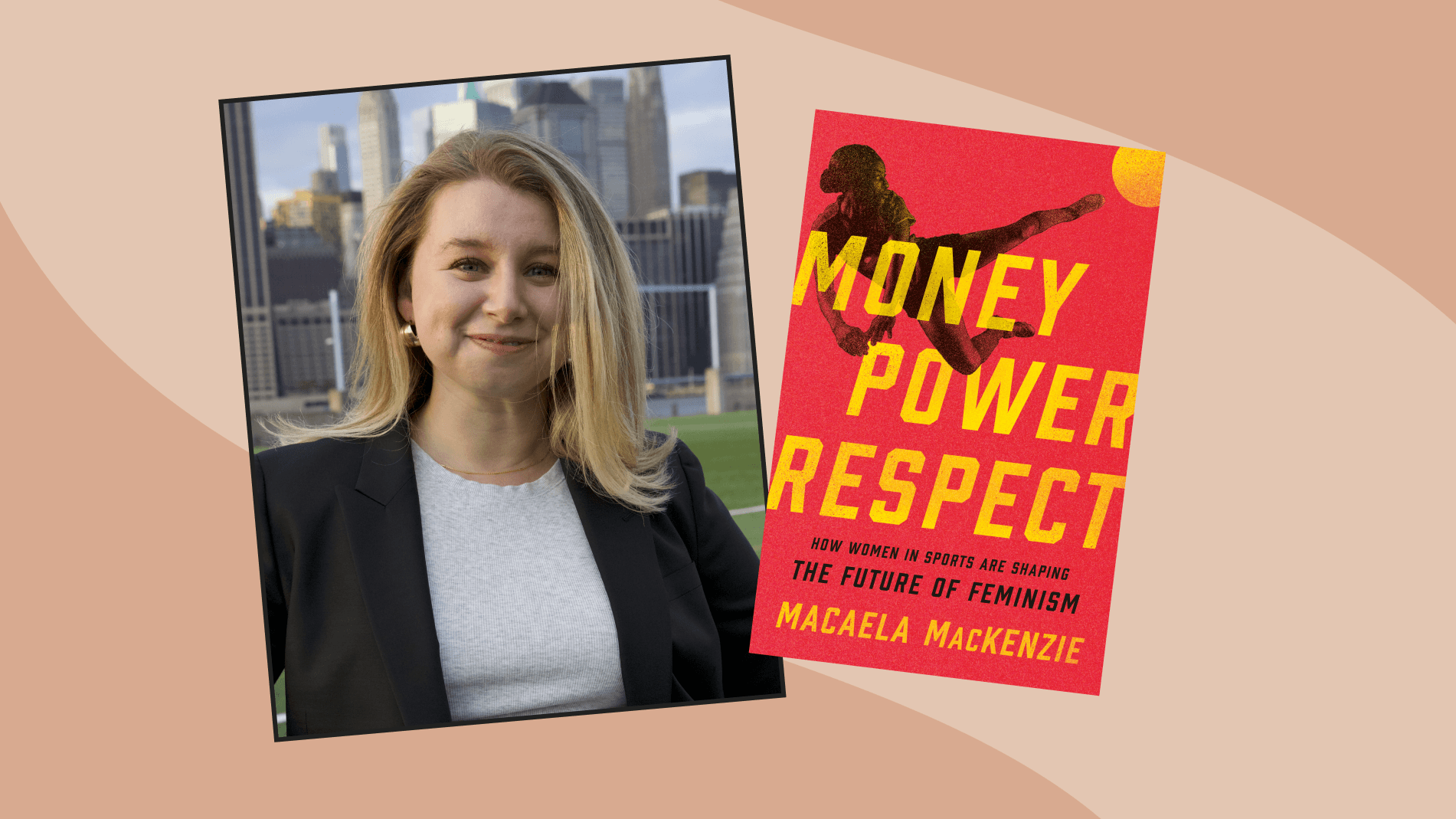
We feature buzzy books in the health and wellness space. This week, we read:
"Money, Power, Respect: How Women in Sports Are Shaping the Future of Feminism" by Macaela MacKenzie
Author Credentials: MacKenzie is a journalist and former Glamour editor who frequently writes about women and power.
Table of Contents: As the title suggests, the book is broken down into three parts:
Money: One of the most widely reported gender inequities is the salary gap, and women's sports are no different. MacKenzie recaps the US Women's National Soccer Team's iconic equal pay campaign and makes the argument for what she says is "an impossible-to-ignore case for investing in women."
Power: She argues that "sports are perhaps the most powerful tool our culture has for defining gender roles" and that women in sports shape our "perceptions of power."
Respect: Finally, she details how female athletes are so often disregarded and undervalued through sexualization and the "myth of women's so-called natural inferiority."
Why We Bookmark'd It: You don't need to know the first thing about women's sports to feel fired up by MacKenzie's writing because "this book is for anyone who has ever felt like they were being asked to settle for less than what they deserve," she tells theSkimm. However, she may just convince you to finally join that pickleball team or get hyped up for the FIFA Women's World Cup (the US plays the Netherlands tonight). MacKenzie argues that by participating in sports (which helps foster leadership) and supporting women's sports, you send "a direct message to the people writing checks that women are worth more." That's a game we're determined to win.
quote of the week

"Barbie herself has moved beyond ... so why can't we?"
— One writer on how brands are using the "Barbie" movie to peddle tired beauty standards. It's giving yesteryear.
Photos by iStock, Ashley Batz, Seal Press
Design by theSkimm
This content is for informational and educational purposes only. It does not constitute a medical opinion, medical advice, or diagnosis or treatment of any particular condition. Always seek the advice of your physician, mental-health professional, or other qualified health provider with any questions you may have regarding a medical condition. Products you buy through our links may earn us a commission.
Live Smarter
Sign up for the Daily Skimm email newsletter. Delivered to your inbox every morning and prepares you for your day in minutes.