Can Box Dye Look Salon-Worthy?
Yes, box dye can pass for salon color, but only if you pick the right shade and follow a pro’s directions. Keep in mind: a box can’t read your hair’s unique needs, mix a custom formula, or see the back of your head, so any lightening (like highlights) or dramatic transformations are still a job for a professional hair colorist.
Why I tried Madison Reed
During COVID, I stopped dyeing my hair (who was I doing it for, anyway?). But I've missed experimenting with color, and fall was the perfect excuse to go darker and embrace my inner Andy Sachs.
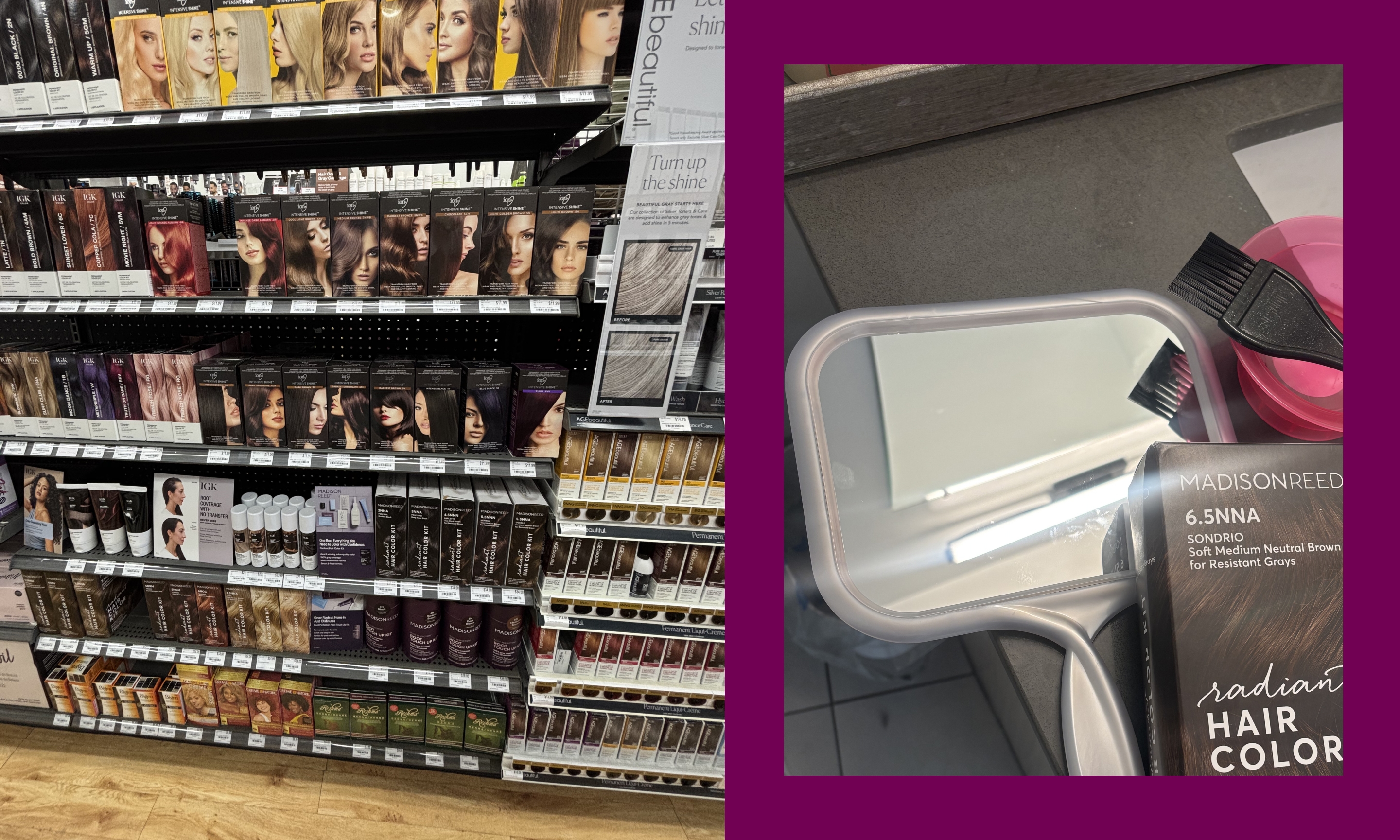
I picked the Madison Reed Radiant Hair Color Kit in a soft medium neutral brown that’s good for resistant grays. The result was noticeably darker than where I started, and honestly… fall me is thrilled.
Every DIY needs a gut check
My coach for this experiment was Kaitlyn Hoey, owner and colorist at Bloom Custom Hair Color & Design in Highland Park, NJ, who talked me through every step. She's been a hair colorist for almost 20 years, so I was in good hands.
Kaitlyn's 7 box dye commandments
Here’s our cheat sheet for getting salon-level color from a box:
Never bleach your hair at home. “Repeat after me: We never bleach our hair at home,” said Hoey. That’s her number one rule. If you fry your hair, there’s very little even a pro colorist can do to save it.
Pick a shade based on your hair, not the model’s. Choose a realistic shade based on your own color and tone. Hoey estimated that 90% of unhappy box dye customers picked a shade they liked instead of one that works with their hair.
Don’t color your ends repeatedly. Redyeing is where the trouble starts. After your first application, color only your regrowth at the roots.
Save the big reveal for the salon. Box dye is for maintenance, like covering roots between salon visits or tweaking your tone. If you want a dramatic transformation, book a colorist appointment.
Shampoo, then shampoo again. After you rinse out the dye, wash twice. Hoey said that leftover dye can keep oxidizing for days (or even weeks), which could cause hair to lighten, dry out, or drop tones.
Mask up afterward. Dyeing your hair dries it out. Consider this your permission slip to splurge on a new hair mask.
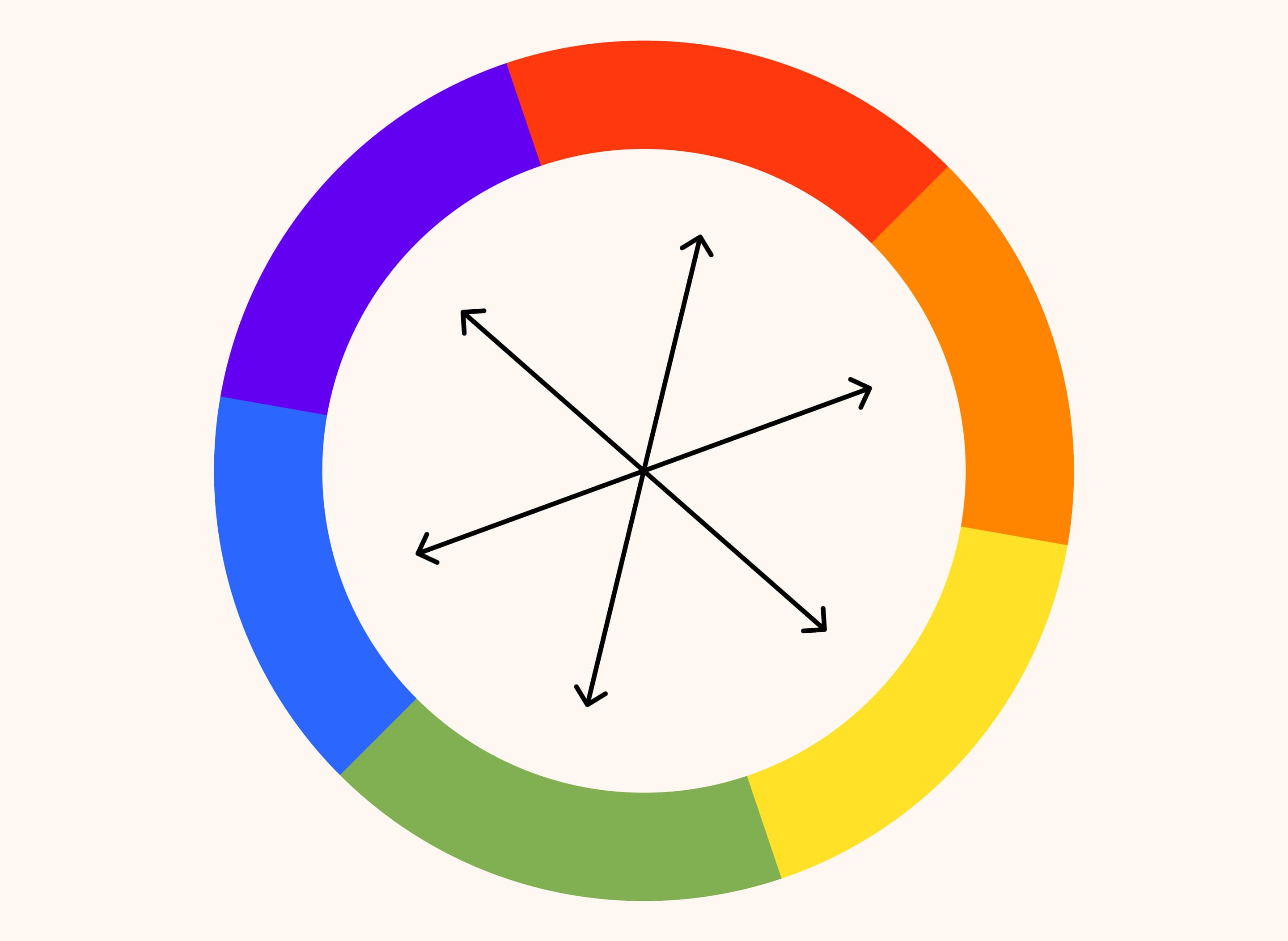
When in doubt, check the color wheel. Just like you learned in elementary school, opposite colors cancel each other out. That’s why purple shampoo tames yellow in blonde hair, blue tames orange, and red tames green. Thanks, art class.
First, Kaitlyn took me to beauty school...
What's the difference between box dye and professional hair color?
Box dye is a one-size-fits-all formula you apply yourself. Professional hair color is mixed for your specific hair by a trained colorist who knows how to balance the colors based on your current coloring.
Hoey said those are the two big differences: product quality and expertise. With box dye, “you’re winging it with the strongest possible pigment,” she explained.
Here’s what a colorist actually does:
Reads your level and undertone. Colorists start with your current level (how light or dark your hair is on a 1 to 10 scale) and its underlying tones.
Mixes a custom formula. A salon color is often several tones blended together with a custom developer strength (the peroxide part). A box usually gives you just one shade and one developer strength.
Applies section by section. A pro can see and saturate every section, so you’re not guessing based on a backwards reflection.
Can box dye look as natural as salon color?
Here’s the good part: Yes, as long as you follow a few simple rules.
Here’s where box dye can go wrong:
The wrong shade. The closer your box shade is to your existing hair color, the more natural the end result will actually look.
Buildup. Reapplying permanent dye from roots to ends every time layers color on color. Over time, ends can turn inky, dark, and dry.
Dark color that won’t budge. If a box dye deposits too dark of a pigment, it’s hard for even professional colorists to lift it back out.
Uneven results. Hair that’s more porous in some places (think: damaged ends) grabs color differently than healthy roots.
Why do hairdressers say to avoid box dye?
Hairdressers warn against box dye because it just offers one formula for every head of hair, and the developer can be stronger than your hair texture needs.
Hoey said a strong peroxide can blow out the cuticle (aka the hair’s protective outer layer), leaving hair dry and brittle over time. The other big issue is how people apply it: all over, every time, instead of section by section.
It’s also a problem for the next person who touches your hair. Colorists aren’t trained in drugstore formulas, so they can’t predict exactly how a box color will react to a correction. A fix can take multiple salon sessions. “You could spend more coming in to get it fixed,” Hoey said, instead of just booking a colorist in the first place.
Can you lighten your hair at home with box dye?
Hoey is a hard no on using bleach at home. “If you fry your hair off, we can’t do anything besides give you extensions,” she said.
The one exception: If you’re already blonde and want to warm the tone up slightly, a box blonde might work. The closer the box shade is to your current color, the better your odds.
What is the best box dye for covering stubborn grays?
The best box dye for stubborn grays is a permanent, neutral shade labeled for gray coverage, ideally from the higher end of the drugstore price range. I used Madison Reed Radiant Hair Color in 6.5NNA Sondrio, a neutral brown made for grays.
In Hoey’s experience, the cheapest formulas tend to be the least effective on resistant grays. Beyond price, check reviews and real customer photos before you buy.
Here's what to look for on the dye box:
N or NN in the shade code. These neutral shades are formulated for gray coverage. My Madison Reed shade, 6.5NNA, was specifically labeled “for resistant grays.”
Permanent color. If you want full coverage that lasts until it grows out, skip the semi- or demi-permanent options.
Just say no to ash. Neutral or warm shades give you the most coverage. Ash is often made from a blue base, which can give you a surprise “Twilight”-esque tint.
Where should I buy box dye?
Hoey strongly recommended going to a beauty supply store over the grocery store or pharmacy. The staff can give you free advice, and you can buy salon-grade color without a cosmetology license.
I took her advice, and the one-on-one support made a real difference. Madison Reed, the hair dye kit I used, is sold at beauty supply chains like Sally Beauty, as well as at Ulta, Target, Walmart and directly from madisonreed.com.
How do you dye your hair at home so it looks professional?
Here are Hoey’s step-by-step instructions:
Pick your shade, then go a little lighter. Box shades often turn out darker than the photo because they’re packing in the maximum amount of pigment. Check the swatch chart on the back of the box, not the model photo on the front.
Do a patch test and a strand test. These are two different things:
A patch test checks for an allergic reaction. The FDA says to dab a little dye inside your elbow or behind your ear, and leave it for two days to ensure you’re in the clear.
A strand test checks the color. Try it on a hidden piece at the back of your head to make sure you like the color before you commit to the whole box.
Prep your hair and skin. Start with dry hair unless your box says otherwise. Put a barrier along your hairline and ears using petroleum jelly, conditioner, or a thick lotion.
Work quickly once you mix. The clock starts the moment the dye is mixed, and the processing time on the box includes the time it takes you to apply it. Some formulas keep darkening the longer they sit or stop being effective after a period of time, so put it on quickly.
Apply to your roots first. I had “virgin hair” (aka hair that’s never been colored), so I applied the box dye all the way through my ends. Every time after this, I’ll only color the regrowth to avoid frying the tips.
Rinse completely, then shampoo twice. Rinse until the water runs clear, then shampoo twice to stop the color from processing. Always follow your box’s directions if they differ.
Condition. Finish with a deep-conditioning mask, then follow the aftercare rules below.
Next, I put my money hair where my mouth is...
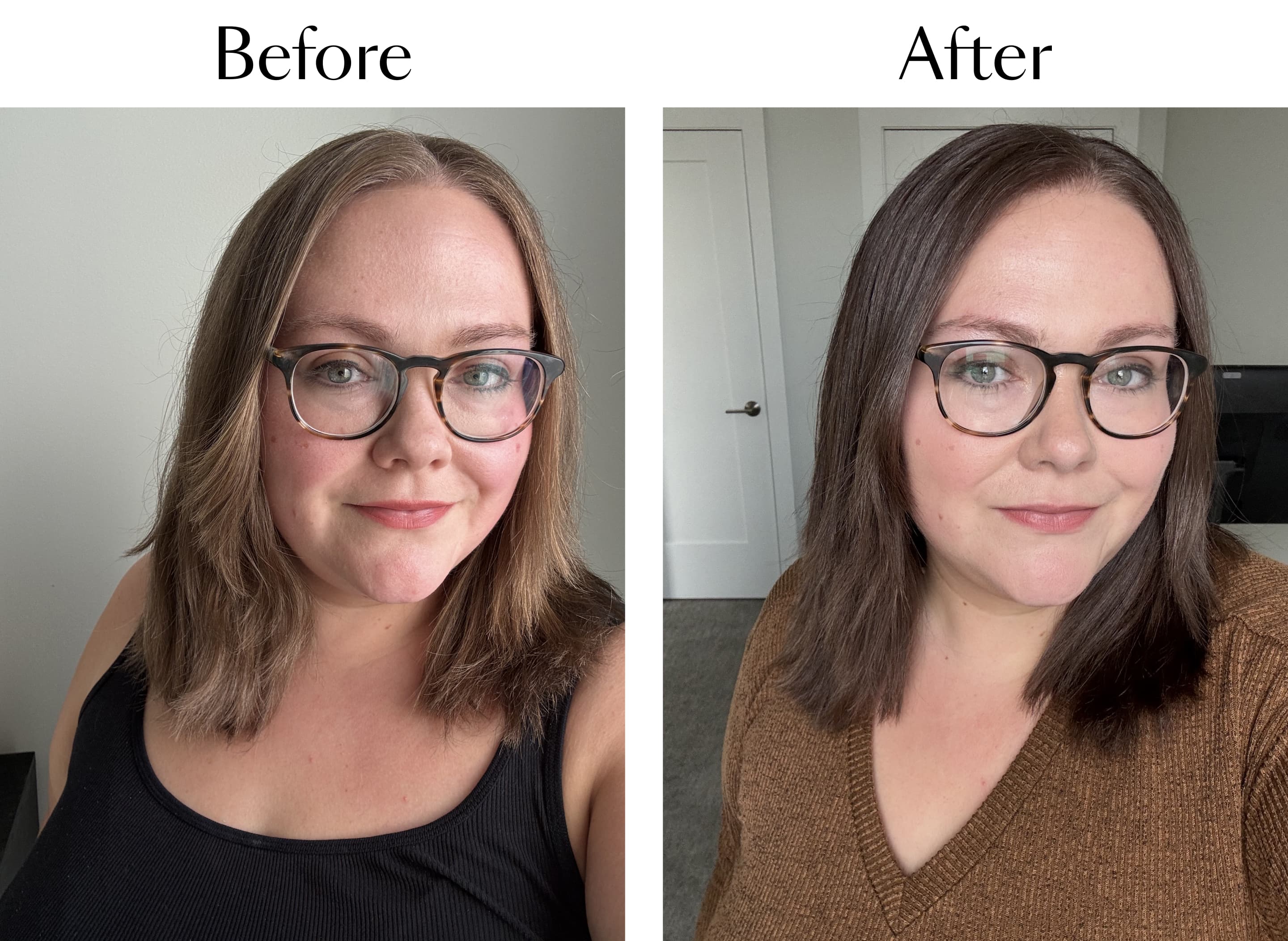
Before and after: Madison Reed Radiant Hair Color in 6.5NNA Sondrio. Vulnerable moment: These photos have no filters or retouching.
Is Madison Reed good for gray coverage?
Here’s my honest review. I chose the Madison Reed Radiant Hair Color Kit in 6.5NNA Sondrio, a soft medium neutral brown for resistant grays. At $35, it’s on the pricier side for box dye, which was the point. Hoey advised me to buy the most expensive box I felt comfortable splurging on to get the highest-quality ingredients. Plus, I loved how the kit came with everything I needed, like a cap, gloves, and color-protecting shampoo. And yes, it covered all of my grays.
Aftercare: What to do after you shampoo, rinse, repeat...
How do I make at-home color last as long as salon color?
Whether you paid a colorist or a cashier, the aftercare is identical. Your roots will always grow out, but you can keep the rest from fading with these tips:
Turn down the water temperature. Cooler water helps lock in color, especially for rich brunettes and redheads.
Wash your hair as little as possible. Every wash fades the color a little. Stretch the days between shampoos when you can.
Switch to a sulfate-free, color-safe shampoo. Harsh detergents strip out the pigment faster.
What can you do if box dye goes wrong?
If box dye goes wrong, the fix depends on the problem. Patchy or off-tone color can often be corrected at home with more box dye.
If your box dye came out too dark, book a salon appointment. Another box, even a lighter one, won’t lighten dyed hair. “Only bleach lifts color,” Hoey said. And remember, we never bleach at home.
Problem | Can you fix it at home? | What to do next |
|---|---|---|
Too dark | No | Book a colorist. Another box, even a lighter one, won’t lighten dyed hair. |
Patchy | Usually | Reapply, more evenly this time. Going over it right away with the same shade is generally safe. |
Dry, breaking, or burning scalp | No | Stop coloring and see a professional (or a doctor, if it’s an allergic reaction). |
Can box dye really turn your hair green?
Yep, box dyes can potentially turn hair green because of basic color theory. Ash shades are blue-based, and blue on top of yellow, brassy hair makes it green. Hoey said that’s why she steers anyone with level 6 or darker hair away from ash shades.
Salon tip: Google the color wheel for the specific dye brand you’re using. Each brand places its shades a little differently, and some lines lean violet-based while others lean orange-based.
The same color wheel works in your favor, too:
Unwanted tone | What cancels it out | Example |
|---|---|---|
Yellow | Violet | Try purple shampoo to tone blonde hair. |
Orange or brassy | Blue | Use a blue shampoo or a cool-toned gloss. |
Green | Red | Use a red-brown shade to cancel the green. Usually, you don’t need to wait to redye. |
More box dye FAQs:
Your questions | A professional colorist’s answers |
|---|---|
Does box dye damage hair more than salon dye? | Yes, box dye can be more damaging than salon dye because it’s often a stronger formula than your hair needs. A colorist adjusts the developer strength to your hair. A box just uses one strength for everyone. |
Should I apply box dye to damp or dry hair? | Apply box dye to dry hair unless your box says otherwise. But always follow the directions on your specific kit, since formulas vary. |
What is the healthiest box dye for your hair? | The gentlest hair color is a “direct dye,” which doesn’t use a developer or lift the cuticle. Most box dyes are oxidative: peroxide and color react to deposit permanent pigment. A direct dye only stains the surface, so it fades faster but is less damaging. |
Can you apply box color on top of salon color? | Yes, you can use box color over salon color, but remember to only color your regrowth at the roots. Many of Hoey’s clients use root touch-ups between salon appointments, which are often about eight weeks apart. |
Does blonde box dye have bleach? | Most blonde box dyes don’t contain bleach, but many use a high-volume developer that lifts color. Hoey said that bleach is the most damaging option, and even high-lift formulas can dry your hair out. |
What’s the best ammonia-free box dye for sensitive scalps? | Ammonia-free permanent dyes, like Madison Reed, swap ammonia for a gentler alkaline ingredient (often ethanolamine) to open the hair cuticle and deliver permanent color. |
Looking for more info about dyeing your hair at home?
Start with these other guides from theSkimm:
This interview has been edited and condensed for clarity.