Education
Tumbleweeds in the International Student Union
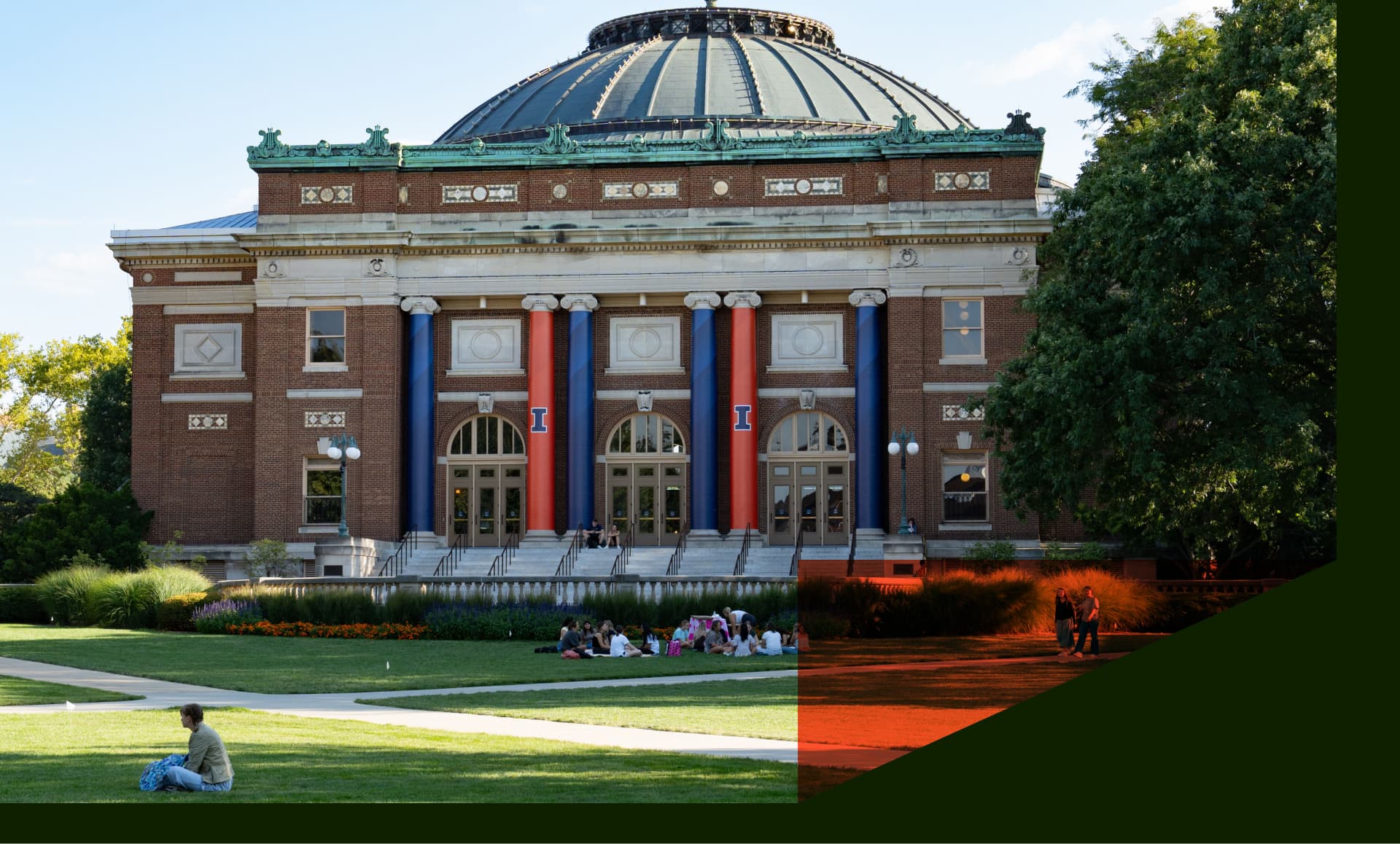
What's going on: As the fall 2026 semester begins, college campuses might look and sound a little different. Last week, a coalition of university groups and labor unions filed a lawsuit to block a rule limiting how long international students can stay in the US. The rule takes effect on September 15, but some universities say the impact is already here. At the University of Illinois Urbana-Champaign, international graduate student applications declined by over 25% from 2025 to 2026. It’s not just grad school, either: Common App reports international undergrad applications fell by 10% for the 2026-2027 academic year — the largest drop on record. Beyond shrinking campus diversity, lower international enrollment hits higher ed where it hurts: the budget. When international tuition drops, universities balance the books by cutting programs, laying off staff, or raising domestic tuition. And we know how everyone feels about that.
International Relations 101: In 2025, the administration revoked about 8,000 student visas and launched new background checks and social media vetting for would-be students. Vice President JD Vance also said last year that international students are “not just bad for national security” but also bad “for American kids who want to go to a nice university but can’t because their spot was taken by a foreign student.” Along with navigating more red tape and restrictions, students say the administration’s message is landing. “Emotionally, it just feels like nobody wants us here,” one international student said. Economists are sounding the alarm alongside higher ed: A recent analysis states that losing top STEM students could cost the US economy an amount comparable to wiping out South Carolina or Wisconsin. As more students opt for European universities or decide to stay home, critics warn the US is engineering a "self-inflicted brain drain" not seen since the 1920s. Sounds like a college history class could be useful here.
Related: The Trump Administration Is Planning the Biggest Visa Revocation in American History (The Associated Press)
The News in 5
🗞️ The Supreme Court ruled that states do not have the legal right to challenge President Donald Trump’s executive order restricting mail-in voting, opening a path to implement the ban.
🗞️ A New York Times analysis found a Russian drone used an experimental AI system to target and kill three Ukrainian civilians last month, including a 19-year-old college student.
🗞️ The former Illinois sheriff’s deputy convicted in the 2024 fatal shooting of Sonya Massey has died in prison, just six months into his 20-year sentence.
🗞️ Former Transportation Secretary Pete Buttigieg received an incredibly warm reception in South Carolina, the state that effectively ended his 2020 presidential run. This sounds like a vote to keep the beard, Pete.
🗞️ Fanta is officially claiming Halloween as its holiday with its spooky new strategy. You can try, but you’ll never beat the Reese’s Pumpkin.
In Our Rotation
Happy 20th birthday to this iconic Y2K-era sneaker.
If you're planning a home refresh, we highly recommend this upscale-yet-affordable furniture brand.
Hold Your Horses
Unstable Over This News
What’s going on: In a story that sounds like a tear-jerking sequel to Spirit, the Trump administration has sold thousands of wild horses into a pernicious pipeline that ends in slaughter, The New York Times reports. Although Congress protects mustangs — knowing the horse girls would riot if it didn’t — the Bureau of Land Management has been using a legal loophole to sell some of the 73,000 wild horses that roam federal lands as it strives to control the population. Animal welfare advocates say this profit potential is essentially subsidizing mustang death. While it used to be rare for the government to sell the wild horses, even amid population-control struggles, sales have increased under Trump. The bureau argues it’s dedicated to finding “good homes” for animals, but experts point out there's an incentive to get the horses off their books. The government estimates that it saved $56 million in 2025 by selling 3,700 horses.
Can someone please rein this in: There’s something about a horse that evokes emotion and empathy. The animals are depicted as wise and noble creatures in pop culture, whether we’re talking Boxer or Black Beauty. In the Chinese zodiac, horses represent the pursuit of freedom. Researchers even say the animals help young girls harness and express their power (as anyone who grew up on Saddle Club knows). So it only makes sense that advocates are outraged that the government is treating them like pests. Animal lovers of all political parties have spoken out since the Times report, demanding policy change. Some point out that it doesn’t have to be this way — the government could spend less on care for these horses if it utilized inexpensive fertility-control drugs that can be delivered via dart gun to control the herds.
Related: How the Government Used Helicopters To Thin Horse Herds in Colorado (NPR)
The Parent Trap
Are AI Companies Capitalizing on Mom Guilt?
What’s going on: Parenting has always been trial-and-error, from translating a baby’s cries to deciphering teen moodiness. So tech companies are peddling devices that take out the guesswork, and people are buying in. Parents are split on whether logging endless data about their child’s behaviors (and having AI analyze it) does more harm than good. It starts out innocent enough — using the free version of the app Huckleberry to manage sleeping and feeding schedules — but the burgeoning industry capitalizes on an eternal question: Am I doing this right? AI can help fill in some gaps, like remembering school supplies and building out busy schedules, but there’s a whole lot of tracking tech that makes some parents uneasy. Meet: the Nanit, which monitors sleeping babies and offers a “sleep efficiency” score.
Genius, or scary?: With an AI-powered omnipresence from babytech, parents feel a new pressure to download and process what their kids’ behaviors mean and whether they’re happy. This can also leave parents doubting their own judgement about their child's needs. And while it’s a faux pas to comment on others’ parenting styles, AI won’t hold back on telling you how to handle toddler or teenage tantrums. That could lead to parental insights, but it comes at a cost: access to you and your kids’ lives. There might be something to the fact that tech titans don’t want their kids too plugged in.
Related: Trump Is Losing Cool Points With Parents, and It Might Be Because of the Grocery Bill (Newsweek)
Quick Hits
🏃 A breastfeeding mom refused to let feeding her son keep her from finishing a 5K, and the announcer rightfully gave her the credit she deserved.
✈️ Looking to spend adult money and PTO on reviving a childhood memory? Enter the “Throwback Trip.”
📚 Curling up with a good book can help with loneliness if it’s one of these eight, say psychologists and therapists. OK, so who’s starting the book club?
💗 Hoda Kotb had her former Today show co-hosts riveted as she described her meet-cute with a “handsome man” on a plane. A rom-com-worthy tale if we ever heard one.
👖 Gaucho pants are back, and we don’t know how to feel. A+ for comfort, D for everything else.
Skimm This
How would you skimm this photo?

Every Tuesday, we pick one photo and ask you to give it your best skimm — in 20 words or fewer. Then we narrow down the finalists, you vote for your favorite on Thursday, and we share the winner in Friday’s Daily Skimm.
This week: Spotted at Disneyland on Main Street, USA: Matt Damon posing with a giant pumpkin-shaped Mickey Mouse.
On Our Calendar
Tuesday, August 25
📚 Big Little Truths hits bookstores
Ten years after Big Little Lies, Madeline, Celeste, Jane, Renata, and Bonnie are back — now with teenagers, marriage problems, family secrets, and a threat rattling the local high school. If that weren’t dramatic enough, here’s the one book the author would save in a fire.
🍌 National Banana Split Day
You could go traditional…or try this no-bake banana split cake. A win-win, either way.
Psst…this is just the preview: Subscribe to theSkimm app and never miss a moment.
KNOW IT ALL
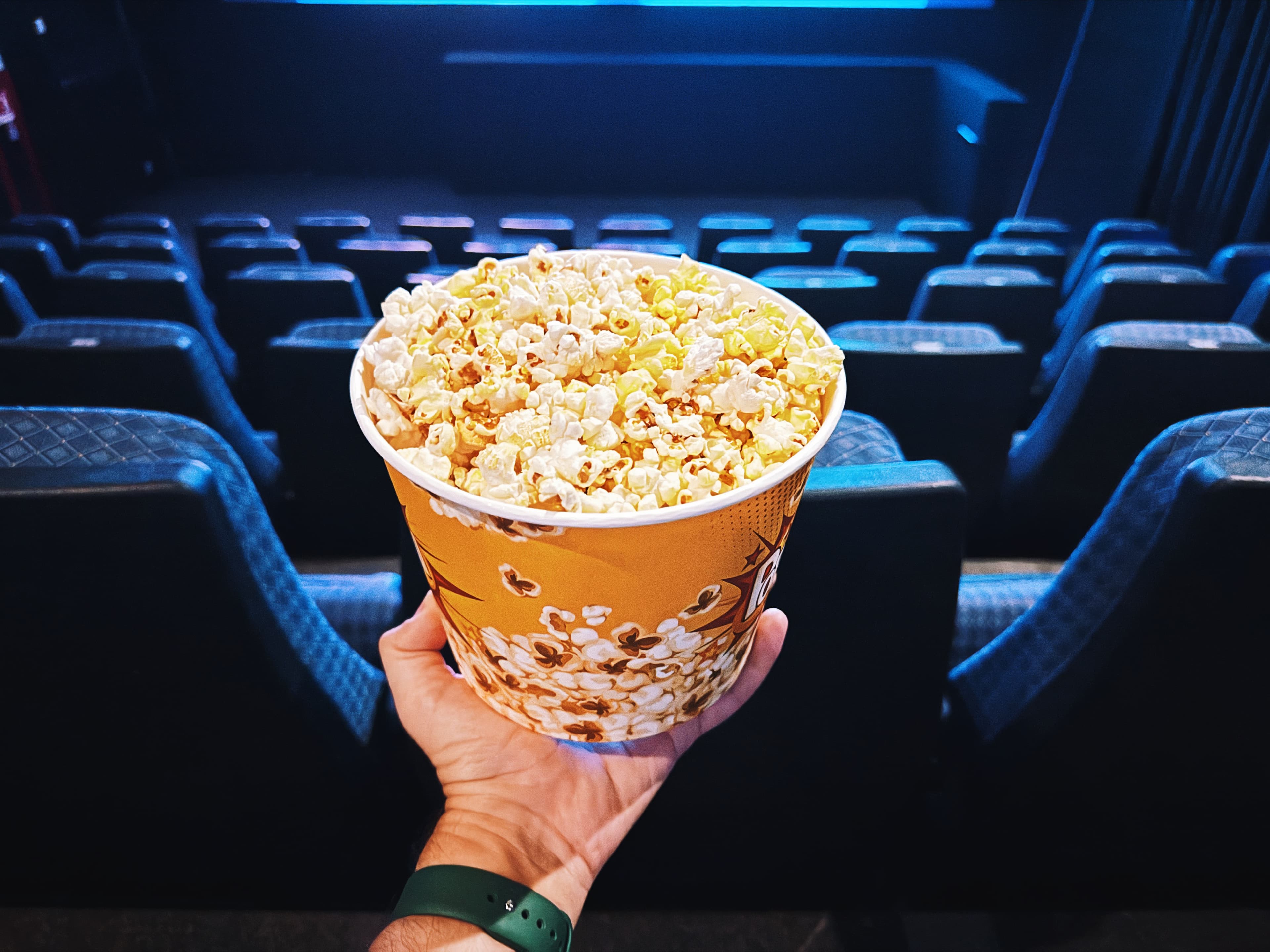
Grab the popcorn and get ready to gasp. Which iconic action-adventure series is finally getting another installment?
Still catching up from the weekend? Jumpstart your brain with Flipart. Feel the rush.
Skimm'd by: Kylie McConville, Molly Longman, Aryanna Prasad Bhullar, Erika W. Smith, Stephanie Gallman, Maria Corpus, Samantha Darby, Jessica Prois, and Marina Carver. Fact-checked by Sara Tardiff.

Education
Tumbleweeds in the International Student Union
What's going on: As the fall 2026 semester begins, college campuses might look and sound a little different. Last week, a coalition of university groups and labor unions filed a lawsuit to block a rule limiting how long international students can stay in the US. The rule takes effect on September 15, but some universities say the impact is already here. At the University of Illinois Urbana-Champaign, international graduate student applications declined by over 25% from 2025 to 2026. It’s not just grad school, either: Common App reports international undergrad applications fell by 10% for the 2026-2027 academic year — the largest drop on record. Beyond shrinking campus diversity, lower international enrollment hits higher ed where it hurts: the budget. When international tuition drops, universities balance the books by cutting programs, laying off staff, or raising domestic tuition. And we know how everyone feels about that.
International Relations 101: In 2025, the administration revoked about 8,000 student visas and launched new background checks and social media vetting for would-be students. Vice President JD Vance also said last year that international students are “not just bad for national security” but also bad “for American kids who want to go to a nice university but can’t because their spot was taken by a foreign student.” Along with navigating more red tape and restrictions, students say the administration’s message is landing. “Emotionally, it just feels like nobody wants us here,” one international student said. Economists are sounding the alarm alongside higher ed: A recent analysis states that losing top STEM students could cost the US economy an amount comparable to wiping out South Carolina or Wisconsin. As more students opt for European universities or decide to stay home, critics warn the US is engineering a "self-inflicted brain drain" not seen since the 1920s. Sounds like a college history class could be useful here.
Related: The Trump Administration Is Planning the Biggest Visa Revocation in American History (The Associated Press)
The News in 5
🗞️ The Supreme Court ruled that states do not have the legal right to challenge President Donald Trump’s executive order restricting mail-in voting, opening a path to implement the ban.
🗞️ A New York Times analysis found a Russian drone used an experimental AI system to target and kill three Ukrainian civilians last month, including a 19-year-old college student.
🗞️ The former Illinois sheriff’s deputy convicted in the 2024 fatal shooting of Sonya Massey has died in prison, just six months into his 20-year sentence.
🗞️ Former Transportation Secretary Pete Buttigieg received an incredibly warm reception in South Carolina, the state that effectively ended his 2020 presidential run. This sounds like a vote to keep the beard, Pete.
🗞️ Fanta is officially claiming Halloween as its holiday with its spooky new strategy. You can try, but you’ll never beat the Reese’s Pumpkin.
Hold Your Horses
Unstable Over This News
What’s going on: In a story that sounds like a tear-jerking sequel to Spirit, the Trump administration has sold thousands of wild horses into a pernicious pipeline that ends in slaughter, The New York Times reports. Although Congress protects mustangs — knowing the horse girls would riot if it didn’t — the Bureau of Land Management has been using a legal loophole to sell some of the 73,000 wild horses that roam federal lands as it strives to control the population. Animal welfare advocates say this profit potential is essentially subsidizing mustang death. While it used to be rare for the government to sell the wild horses, even amid population-control struggles, sales have increased under Trump. The bureau argues it’s dedicated to finding “good homes” for animals, but experts point out there's an incentive to get the horses off their books. The government estimates that it saved $56 million in 2025 by selling 3,700 horses.
Can someone please rein this in: There’s something about a horse that evokes emotion and empathy. The animals are depicted as wise and noble creatures in pop culture, whether we’re talking Boxer or Black Beauty. In the Chinese zodiac, horses represent the pursuit of freedom. Researchers even say the animals help young girls harness and express their power (as anyone who grew up on Saddle Club knows). So it only makes sense that advocates are outraged that the government is treating them like pests. Animal lovers of all political parties have spoken out since the Times report, demanding policy change. Some point out that it doesn’t have to be this way — the government could spend less on care for these horses if it utilized inexpensive fertility-control drugs that can be delivered via dart gun to control the herds.
Related: How the Government Used Helicopters To Thin Horse Herds in Colorado (NPR)
The Parent Trap
Are AI Companies Capitalizing on Mom Guilt?
What’s going on: Parenting has always been trial-and-error, from translating a baby’s cries to deciphering teen moodiness. So tech companies are peddling devices that take out the guesswork, and people are buying in. Parents are split on whether logging endless data about their child’s behaviors (and having AI analyze it) does more harm than good. It starts out innocent enough — using the free version of the app Huckleberry to manage sleeping and feeding schedules — but the burgeoning industry capitalizes on an eternal question: Am I doing this right? AI can help fill in some gaps, like remembering school supplies and building out busy schedules, but there’s a whole lot of tracking tech that makes some parents uneasy. Meet: the Nanit, which monitors sleeping babies and offers a “sleep efficiency” score.
Genius, or scary?: With an AI-powered omnipresence from babytech, parents feel a new pressure to download and process what their kids’ behaviors mean and whether they’re happy. This can also leave parents doubting their own judgement about their child's needs. And while it’s a faux pas to comment on others’ parenting styles, AI won’t hold back on telling you how to handle toddler or teenage tantrums. That could lead to parental insights, but it comes at a cost: access to you and your kids’ lives. There might be something to the fact that tech titans don’t want their kids too plugged in.
Related: Trump Is Losing Cool Points With Parents, and It Might Be Because of the Grocery Bill (Newsweek)
Skimm This
How would you skimm this photo?

Every Tuesday, we pick one photo and ask you to give it your best skimm — in 20 words or fewer. Then we narrow down the finalists, you vote for your favorite on Thursday, and we share the winner in Friday’s Daily Skimm.
This week: Spotted at Disneyland on Main Street, USA: Matt Damon posing with a giant pumpkin-shaped Mickey Mouse.
KNOW IT ALL
Grab the popcorn and get ready to gasp. Which iconic action-adventure series is finally getting another installment?

Skimm'd by: Kylie McConville, Molly Longman, Aryanna Prasad Bhullar, Erika W. Smith, Stephanie Gallman, Maria Corpus, Samantha Darby, Jessica Prois, and Marina Carver. Fact-checked by Sara Tardiff.
Live Smarter
Sign up for the Daily Skimm email newsletter. Delivered to your inbox every morning and prepares you for your day in minutes.
