Let's Discuss
Mum's the Word
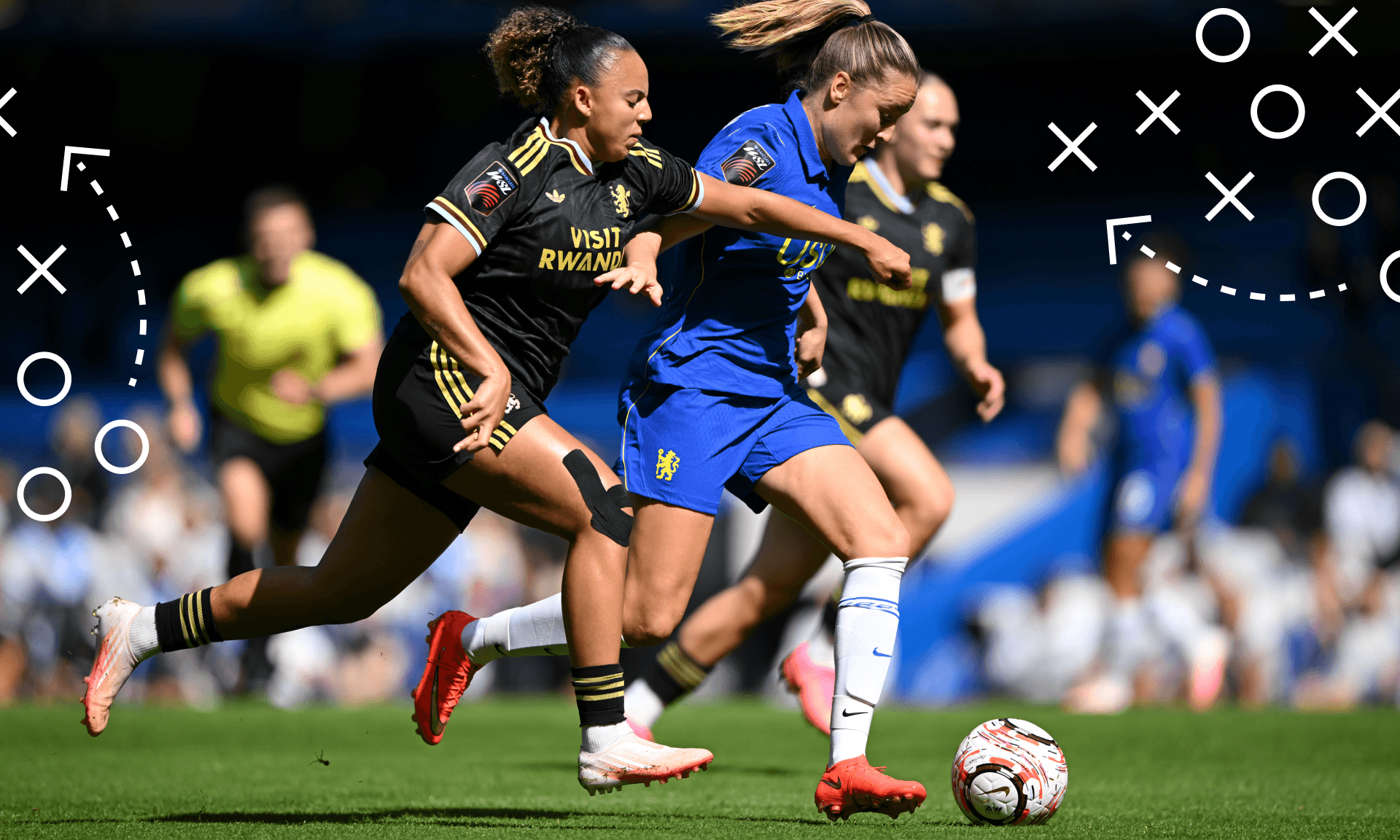
What's going on: More women’s sports organizations are putting fertility care on the benefits list. Spain’s soccer federation just announced it will cover egg freezing and other fertility treatments for eligible national-team members through 2029. The WSL’s Chelsea Women recently launched a fertility fund, while UEFA has encouraged clubs to incorporate reproductive care into their employment policies. To some extent, the US has been ahead of that curve. The WNBA added family-building benefits for players in 2020, and Racing Louisville became the first NWSL club to offer free egg and embryo freezing the following year. Just last month, Gotham FC announced a partnership that includes fertility assessments, preservation consultations, egg freezing, and IVF. The idea is simple: Give athletes more control over whether and when they want to have children, while teams gain another tool to attract and retain top talent.
Freeze frame: The complicated part? Women’s sports have also gotten better at making motherhood possible during an athlete’s career. As of June, there were 28 moms in the NWSL, with maternity leave, childcare, and contract protections to help more of them return after childbirth. That progress fuels some of the criticism of Spain’s new benefit. Olympic medalist and mom of two Ana Peleteiro called the program “deeply sexist,” while a Spanish labor union argued the priority should be to make pregnancy more compatible with a professional career. Spain says the program is meant to add another option, not steer anyone toward one. Still, the debate exposes a bigger question about what progress for female athletes actually looks like. Preserving fertility can provide reassurance about the future. Making sure motherhood doesn’t cost them playing time, money, or opportunity could offer something else: the freedom to start their families when they want to, without sacrificing their careers.
Related: The Complicated Reality of Freezing Your Eggs as an Elite Athlete (El País)
Timeout...
Why are US Open night matches starting so late?
Our Well Played co-hosts and friends of the show tackle listener Qs.
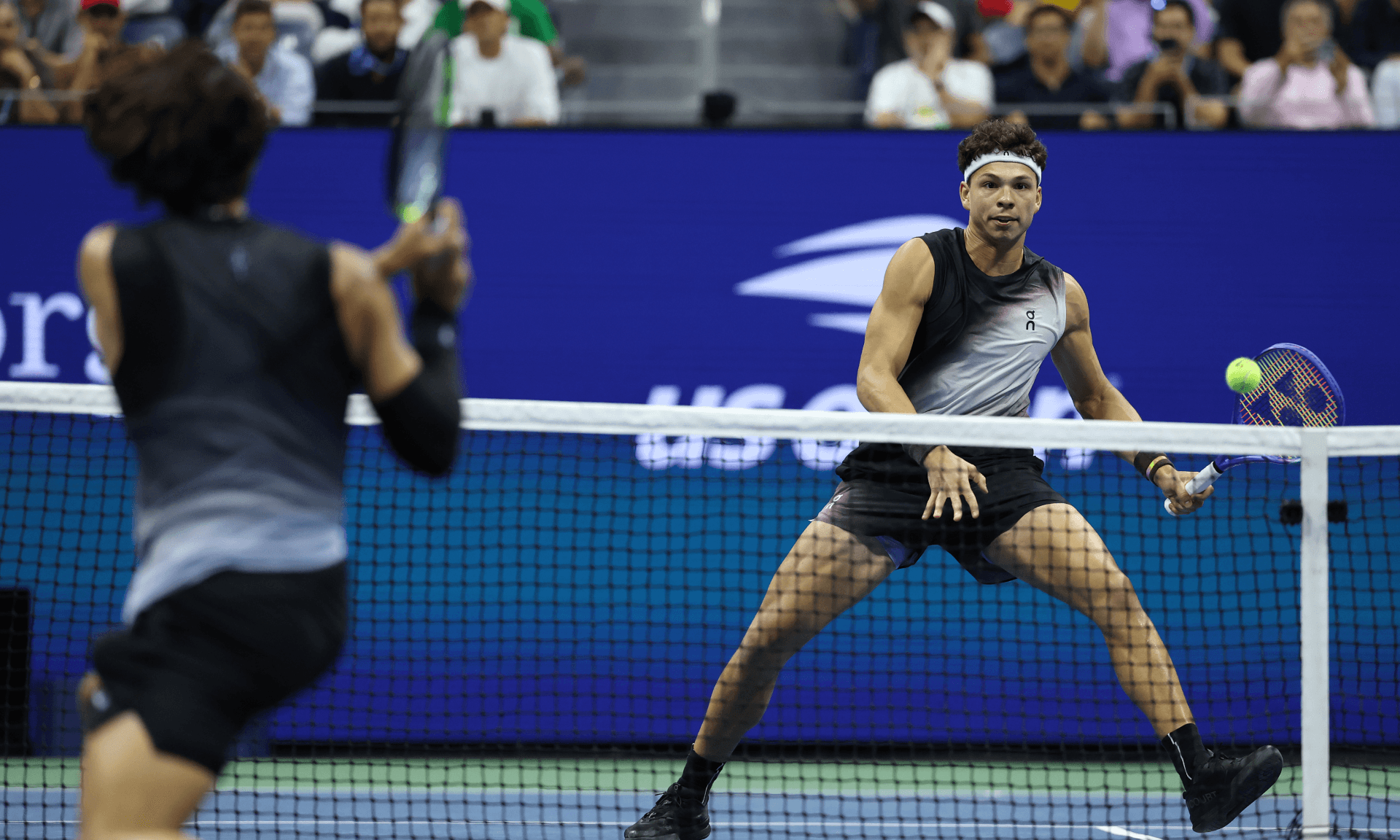
Blame the doubleheader, longer matches and a schedule that can’t quite keep up. The US Open packs two marquee matches into its night session, with the first set for 7 pm, and the second at the mercy of however long that one takes. Case in point: Carlos Alcaraz and Ben Shelton didn’t take the court for last night’s quarterfinal until 11:05 pm. Four hours and 28 minutes later, Shelton pulled off the upset at 3:33 am, the latest finish in tournament history. And he’s hardly the only player who’s had to stay up past bedtime. The USTA has tried to help, with fewer daytime contests on its biggest courts to prevent pileups. But as long as primetime action stays stacked at Arthur Ashe Stadium, one marathon can push the other deep into the night. The Open has now logged four post-2 am finishes in this tournament, including last night’s record-setter, which has players questioning whether the city that never sleeps could use a curfew.
Related: Alexander Zverev Finally Finished a US Open Match Before Midnight. He Wasn’t Sure What to Do With Himself. (Reuters)
No Notes

Let's Discuss
Mum's the Word
What's going on: More women’s sports organizations are putting fertility care on the benefits list. Spain’s soccer federation just announced it will cover egg freezing and other fertility treatments for eligible national-team members through 2029. The WSL’s Chelsea Women recently launched a fertility fund, while UEFA has encouraged clubs to incorporate reproductive care into their employment policies. To some extent, the US has been ahead of that curve. The WNBA added family-building benefits for players in 2020, and Racing Louisville became the first NWSL club to offer free egg and embryo freezing the following year. Just last month, Gotham FC announced a partnership that includes fertility assessments, preservation consultations, egg freezing, and IVF. The idea is simple: Give athletes more control over whether and when they want to have children, while teams gain another tool to attract and retain top talent.
Freeze frame: The complicated part? Women’s sports have also gotten better at making motherhood possible during an athlete’s career. As of June, there were 28 moms in the NWSL, with maternity leave, childcare, and contract protections to help more of them return after childbirth. That progress fuels some of the criticism of Spain’s new benefit. Olympic medalist and mom of two Ana Peleteiro called the program “deeply sexist,” while a Spanish labor union argued the priority should be to make pregnancy more compatible with a professional career. Spain says the program is meant to add another option, not steer anyone toward one. Still, the debate exposes a bigger question about what progress for female athletes actually looks like. Preserving fertility can provide reassurance about the future. Making sure motherhood doesn’t cost them playing time, money, or opportunity could offer something else: the freedom to start their families when they want to, without sacrificing their careers.
Related: The Complicated Reality of Freezing Your Eggs as an Elite Athlete (El País)
Timeout...
Why are US Open night matches starting so late?
Our Well Played co-hosts and friends of the show tackle listener Qs.
Blame the doubleheader, longer matches and a schedule that can’t quite keep up. The US Open packs two marquee matches into its night session, with the first set for 7 pm, and the second at the mercy of however long that one takes. Case in point: Carlos Alcaraz and Ben Shelton didn’t take the court for last night’s quarterfinal until 11:05 pm. Four hours and 28 minutes later, Shelton pulled off the upset at 3:33 am, the latest finish in tournament history. And he’s hardly the only player who’s had to stay up past bedtime. The USTA has tried to help, with fewer daytime contests on its biggest courts to prevent pileups. But as long as primetime action stays stacked at Arthur Ashe Stadium, one marathon can push the other deep into the night. The Open has now logged four post-2 am finishes in this tournament, including last night’s record-setter, which has players questioning whether the city that never sleeps could use a curfew.
Related: Alexander Zverev Finally Finished a US Open Match Before Midnight. He Wasn’t Sure What to Do With Himself. (Reuters)
No Notes
Live Smarter
Sign up for the Daily Skimm email newsletter. Delivered to your inbox every morning and prepares you for your day in minutes.