well aware
Growth Potential
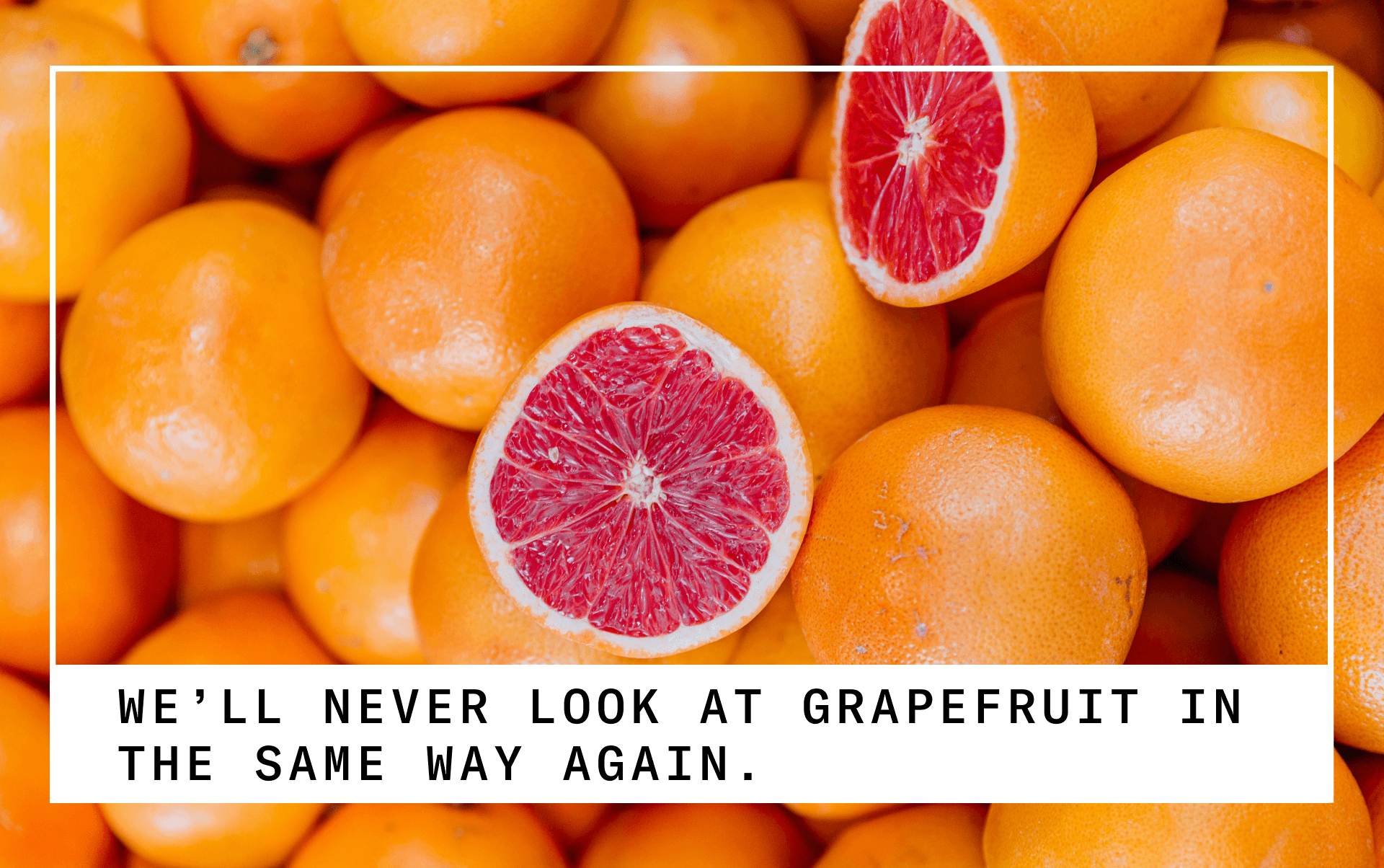
Your body is a wonderland, but sometimes, your uterus feels more like a bloody mystery. Case in point, up to 80% of women develop fibroids by age 50, yet plenty of us still don't know much about them.
These noncancerous growths made of muscle and connective tissue can develop in or around the uterus and range from tiny to larger than a grapefruit. And there can be a lot in there — just scroll this Threads chat. Though scientists haven't pinpointed their exact origins, genetics, hormones, and lifestyle factors may play a role. Some fibroids go unnoticed, while others bring pain, pressure, and heavy periods.
Now, GLP-1 drugs have entered the conversation. Early research suggests they may be associated with a lower risk of fibroids in women with type 2 diabetes. Whether these medications can shrink existing growths remains an open question. Here's what you should know in the meantime.
For Your Sanity:
Spot the signs. Heavy or prolonged periods are a common clue, but other symptoms include pelvic pressure, frequent urination, pain during sex, and bloating. Some people have no symptoms at all.
Get a clearer picture. Large fibroids can make your belly look bigger, but appearance alone won't tell you what's going on. A doctor may suspect them based on your symptoms and a pelvic exam, while an ultrasound can help confirm the diagnosis.
Explore your options. If fibroids don't bother you, regular checkups may be enough. Otherwise, medications can help control heavy periods, and procedures can shrink or remove them. A hysterectomy is another option, depending on your symptoms and goals.
Together with Johnson & Johnson
Your Brain Chemicals, Explained

Real talk: Depression is more complicated than we once thought. For years, traditional oral antidepressants have focused on increasing brain chemicals like serotonin or dopamine, but there are other chemical messengers in the brain that are also involved in regulating depression.1
Depression is a unique experience for everyone, meaning treatment isn’t one-size-fits-all. If you’ve tried two or more antidepressants and still experience lingering depression symptoms, you may have treatment-resistant depression (TRD).2 There are treatment options available that may help. There is hope; talk to your doctor and learn more here to find out if it’s right for you.
Well Reviewed
Sleep It Off
A balled up pillow doesn’t do you any favors. Give your spine the alignment it craves with these options designed to be nice to your neck.
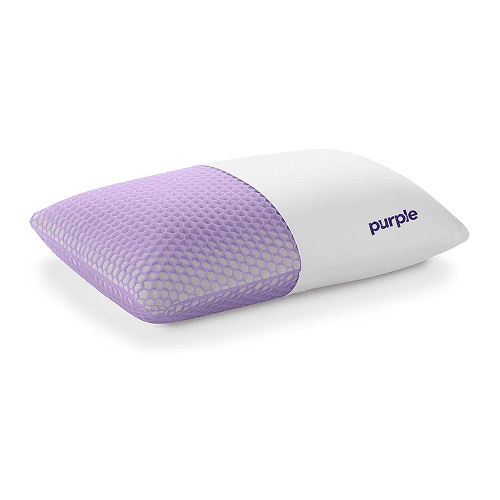
Purple
Purple Harmony Pillow is the best hybrid option.
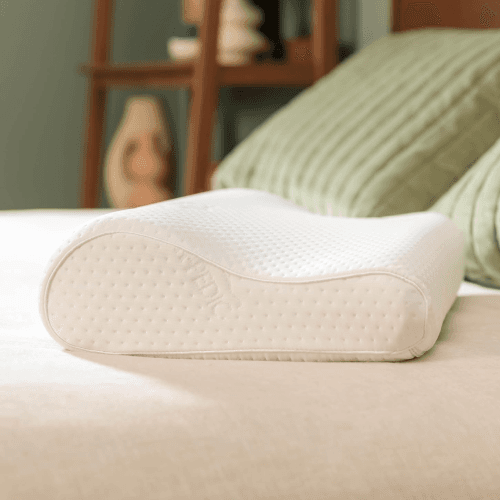
Tempur-Pedic
Tempur-Pedic Tempur-Ergo Neck Pillow is the best option for back sleepers.

Cozy Earth
Cozy Earth Silk Pillow is the best option for stomach sleepers.

Sealy
Sealy Adjustable Pillow is the best adjustable option.
Here’s the full list of the best pillows for neck pain, according to experts.
Brain Trust
Do red light toothbrushes actually do anything for my teeth?
FEATURED EXPERT:

Mina Kim, DDS
A general and esthetics dentist in New York City and a Castle Connolly Top Dentist
I have one red light device for my face and another for muscle recovery. But is a red light toothbrush a must-have? Red light therapy, or photobiomodulation, uses red and near-infrared light to influence cellular activity and potentially support healing. It's already been studied for certain oral health applications, including reducing gum inflammation and tooth sensitivity. So why haven't I bought one yet? For red light therapy to work, the light needs to reach the right tissue at the right wavelength and dose. Saliva, toothpaste, and toothbrush movement may interfere with that process.
More importantly, we still need high-quality research to confirm that these toothbrushes actually deliver meaningful benefits. I love the idea, but I'm not convinced they're a dental essential just yet. My advice is to think of them as a potential extra, not a replacement for brushing twice daily with fluoride toothpaste, flossing daily, or getting professional cleanings. After all, we still wash our faces even when we use red light masks.
PS: What happened when one of our editors put a red light face mask to the test? Let's just say she has thoughts.
Well Fed
Patch Things Up
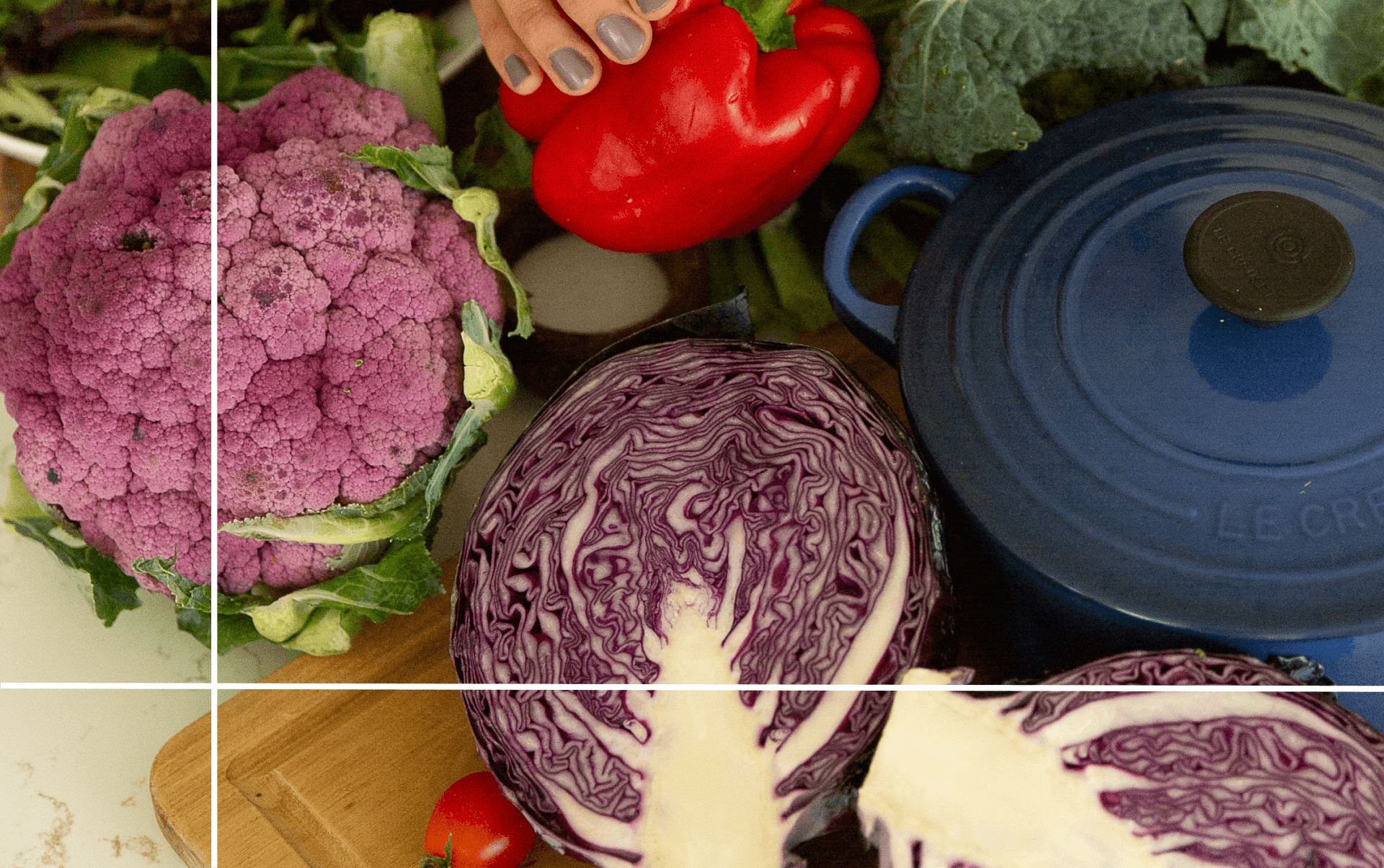
Cabbage is a polarizing produce. We get it. But fall is prime time to give this humble vegetable another chance. It's affordable, packed with fiber and vitamins C and K, and surprisingly versatile. Plus, heat softens its texture, mellows its flavor, and may make it easier on your gut. If cabbage just isn't your thing, these recipes might change your mind.
Give it the slow treatment. Smothered cabbage and sausage pairs buttery-soft leaves with smoky andouille, Creole spices, and a savory pan sauce. Serve over rice and thank us later.
Turn up the heat. Miso-roasted cabbage with crispy chickpeas brings caramelized edges, a savory glaze and cool, tangy labneh to the table. Proof this veggie can hold its own as a meatless main.
Get cozy with a bowl. This Marry Me cabbage soup combines tender greens, sausage and a creamy, Tuscan-inspired broth in one pot. Your chilly-night dinner plans are set.
No Notes

well aware
Growth Potential
Your body is a wonderland, but sometimes, your uterus feels more like a bloody mystery. Case in point, up to 80% of women develop fibroids by age 50, yet plenty of us still don't know much about them.
These noncancerous growths made of muscle and connective tissue can develop in or around the uterus and range from tiny to larger than a grapefruit. And there can be a lot in there — just scroll this Threads chat. Though scientists haven't pinpointed their exact origins, genetics, hormones, and lifestyle factors may play a role. Some fibroids go unnoticed, while others bring pain, pressure, and heavy periods.
Now, GLP-1 drugs have entered the conversation. Early research suggests they may be associated with a lower risk of fibroids in women with type 2 diabetes. Whether these medications can shrink existing growths remains an open question. Here's what you should know in the meantime.
For Your Sanity:
Spot the signs. Heavy or prolonged periods are a common clue, but other symptoms include pelvic pressure, frequent urination, pain during sex, and bloating. Some people have no symptoms at all.
Get a clearer picture. Large fibroids can make your belly look bigger, but appearance alone won't tell you what's going on. A doctor may suspect them based on your symptoms and a pelvic exam, while an ultrasound can help confirm the diagnosis.
Explore your options. If fibroids don't bother you, regular checkups may be enough. Otherwise, medications can help control heavy periods, and procedures can shrink or remove them. A hysterectomy is another option, depending on your symptoms and goals.
Together with Johnson & Johnson
Your Brain Chemicals, Explained
Real talk: Depression is more complicated than we once thought. For years, traditional oral antidepressants have focused on increasing brain chemicals like serotonin or dopamine, but there are other chemical messengers in the brain that are also involved in regulating depression.1
Depression is a unique experience for everyone, meaning treatment isn’t one-size-fits-all. If you’ve tried two or more antidepressants and still experience lingering depression symptoms, you may have treatment-resistant depression (TRD).2 There are treatment options available that may help. There is hope; talk to your doctor and learn more here to find out if it’s right for you.
Brain Trust
Do red light toothbrushes actually do anything for my teeth?
FEATURED EXPERT:
Mina Kim, DDS
A general and esthetics dentist in New York City and a Castle Connolly Top Dentist
I have one red light device for my face and another for muscle recovery. But is a red light toothbrush a must-have? Red light therapy, or photobiomodulation, uses red and near-infrared light to influence cellular activity and potentially support healing. It's already been studied for certain oral health applications, including reducing gum inflammation and tooth sensitivity. So why haven't I bought one yet? For red light therapy to work, the light needs to reach the right tissue at the right wavelength and dose. Saliva, toothpaste, and toothbrush movement may interfere with that process.
More importantly, we still need high-quality research to confirm that these toothbrushes actually deliver meaningful benefits. I love the idea, but I'm not convinced they're a dental essential just yet. My advice is to think of them as a potential extra, not a replacement for brushing twice daily with fluoride toothpaste, flossing daily, or getting professional cleanings. After all, we still wash our faces even when we use red light masks.
PS: What happened when one of our editors put a red light face mask to the test? Let's just say she has thoughts.
Live Smarter
Sign up for the Daily Skimm email newsletter. Delivered to your inbox every morning and prepares you for your day in minutes.