pulse check
Pay What?
Twelve years ago, newly pregnant in Ireland with my daughter, I needed an ultrasound. When I told the doctor I didn’t have insurance, she winced. “It’ll be expensive,” she warned. The damage? $75.
Back in the US, that number may pay for a few hospital-administered painkillers. It’s one reason more Americans are considering medical tourism, where the same procedure may cost a fraction of the US price when abroad.
If a full workup isn’t in your next vacation plan, here are three ways to make your healthcare dollars go further.
Appeal, appeal, appeal. This searing essay from a woman whose cancer treatment was initially denied shows what a difference persistence can make. According to one policy-research group, HealthCare.gov consumers in 2021 appealed less than 0.2% of denied, in-network claims. Now, new data shows a person fighting the claim can often win. Ask for a patient advocate and get someone on the phone.
Shop for care. If you have a high deductible or limited coverage, call a few nearby providers. For example, the same imaging test can have very different prices, even within your insurance network. Some offices also offer 0% payment plans .. but read the fine print for loan terms.
Negotiate directly with the provider. There may well be no “set” price for services. If you have a large portion of the bill that’s not covered by insurance, call and negotiate. And if you hear “no,” ask to speak to a supervisor. Here’s the script one woman used to save $800 over the course of a year.
— Anna “Researching Dentists in Costa Rica” Davies, writer
Well, well, well
What's Making the Rounds
Could your mad dash to work be a workout? Maybe. One recent study found just three minutes of sprinting may be more beneficial than a longer, more moderate running session.
Just in time for PSL season: another study linking caffeine to slower aging.
One longevity doctor and influencer won’t waste her money on these seven supplements. Even you, green powder?
Before you pour your heart out in your Instagram Story, writing a TMI confession for your eyes only may make you feel better — mentally and physically.
Excuse the potty talk, but youWe could be inhaling germs when you flush … and “plumes can still escape” even when you close the lid.
Too tired to stand up? Good news: These three stretches designed for the couch can relieve aches and pains while you catch up on American Horror Story.
well aware
What's Going on Down There?
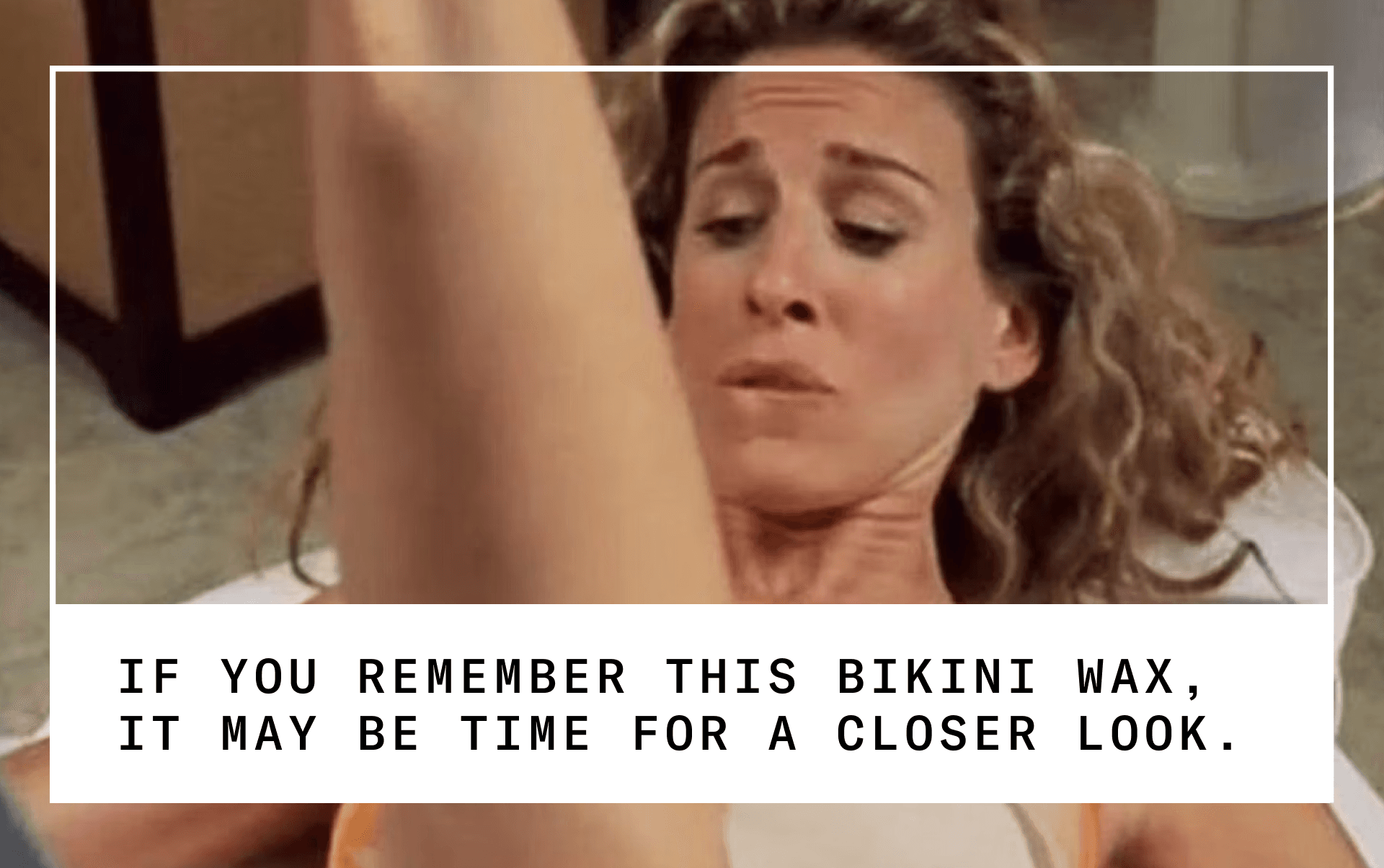
The good news: Medicine retired “vaginal atrophy,” a phrase that makes it sound like your vagina has simply given up. But the current term, “genitourinary syndrome of menopause” (GSM), which covers changes to the vulva, vagina, urethra, and bladder as estrogen declines, still leaves a lot to be desired. Symptoms can begin during perimenopause and include dryness, itching, painful sex, urinary urgency, and recurring UTIs. And experiences range among women: Halle Berry described the pain as feeling like “razor blades in my vagina.”
For Your Sanity:
Bring up the annoying stuff. Sure, you’re only on a trampoline once in a blue moon. But if it makes you pee every time, tell your doctor. Decreased estrogen could be to blame, but it could also be a pelvic floor issue — and treatment exists for both.
Your pleasure matters. Lubricants and vaginal moisturizers may help with milder symptoms — same for prescriptions. Testosterone gets plenty of attention, and it’s supported for postmenopausal women with diagnosed low sexual desire, not as a cure-all for every late-millennial bedroom problem.
Get to know the landscape. Looking at your vulva with a mirror may sound straight out of a 1970s consciousness-raising circle. As estrogen drops, the vaginal opening may look smaller, while tissue can become thinner, drier, and easier to tear. Knowing what’s normal for you can help you bring issues to your doctor.
Whatever's holding you back, Rula makes it easy to access quality, affordable care. Find a provider that takes your insurance in less than five minutes.
Well Reviewed
Your Feet Need a Hug
Going barefoot worked for summer, but fall is about structure, including below the ankles. A good pair of slippers keeps your feet warm while adding the cushion and arch support you may have been missing these last few months.
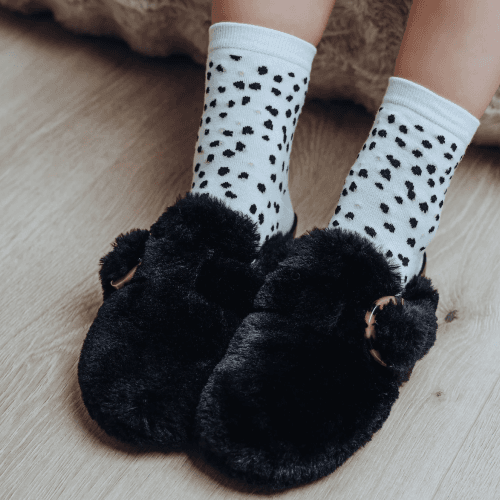
Soléi Sea
Soléi Sea Aspy Slipper is the best option for arch support.
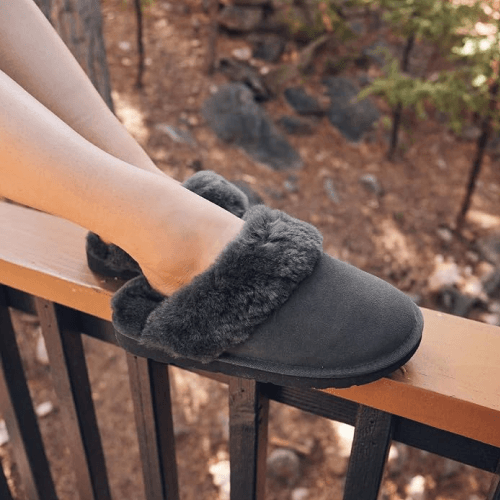
Mykos
Mykos Lia Scuff Slipper is the best budget-friendly option.
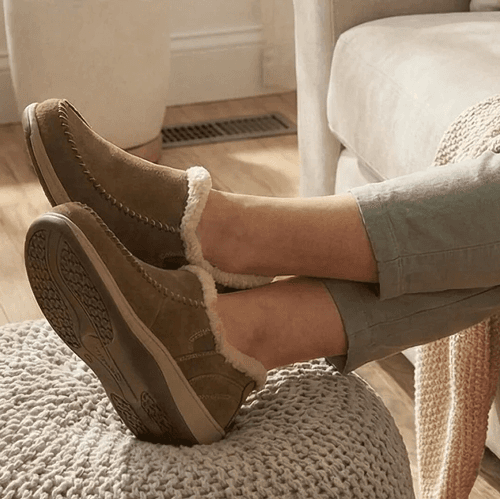
Orthofeet
Orthofeet Lorin Hands-Free Slipper is the best orthopedic option.
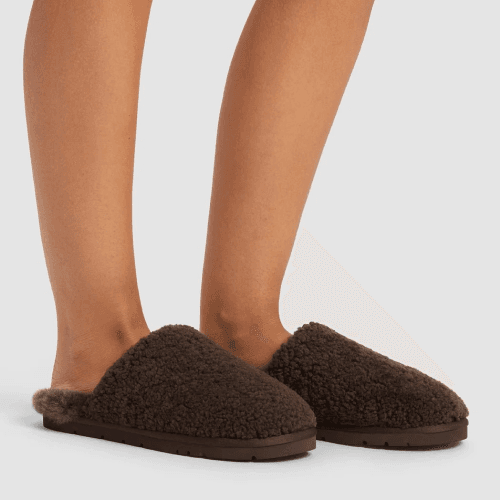
Cozy Earth
Cozy Earth Puffy Sheep Slipper is the best option for wide feet.
Here’s the full list of the best slippers, according to experts.
everything's fine
Ahead of Schedule
Millennials have been accused of being late to grow up. Biologically, though? We might be crushing it … and it’s not a good thing. Recent research from Washington University found signs of accelerated aging in certain organ systems, which may help explain why younger generations see higher rates of some cancers, including uterine, colorectal, and gastrointestinal cancers. For now, keep up with routine appointments and recommended screenings, know your family history, and don’t brush off symptoms because you feel “too young” for them.
PS: Learn how the headlines affect your life. Sign up for the Daily Skimm.
just one thing
Is This Walk Worth It?
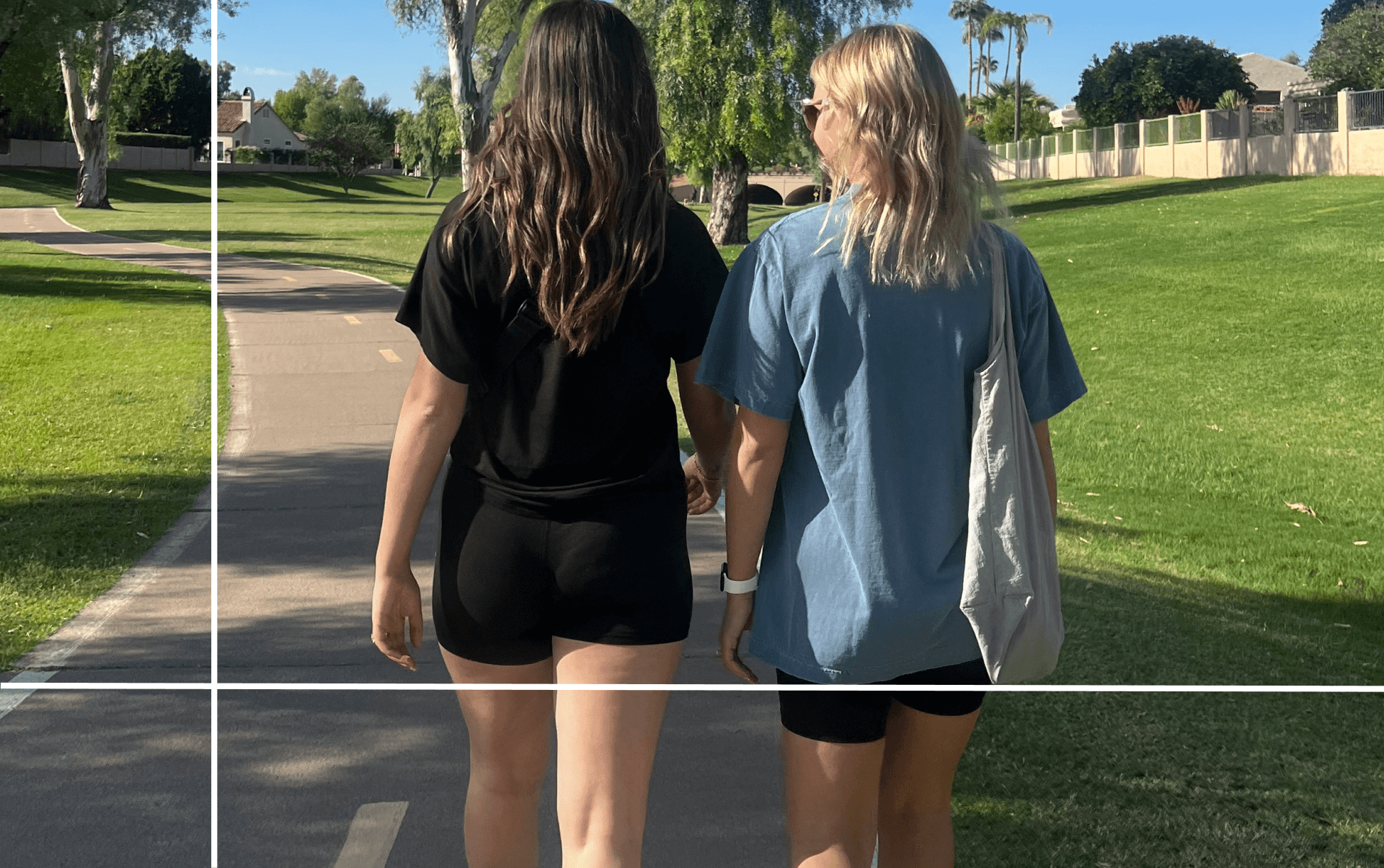
To date, we’ve had the silly little walk, the hot girl walk, the fart walk, and now the lymphatic walk. At this rate, picking up the mail requires a decision tree. So, what’s the deal with lymphatic walking?
A refresher: The lymphatic system is a network of vessels, nodes, and organs that collects excess fluid from tissues, transports immune cells, and returns that fluid to the bloodstream. It doesn’t have one big pump like the heart; vessels contract because of nearby arteries and muscles, while breathing and everyday movement help nudge lymph along.
Some people have problems with lymphatic drainage, which leads to a condition called lymphedema. But for most, that puffy feeling after a long day of sitting may ease once they get up and move around.
A “lymphatic walk” is basically a regular walk with deeper breathing and a more committed arm swing. There’s no evidence that it does anything an ordinary walk can’t. But if your walk could use an upgrade, or you’re over your usual grumpy little trudge, go for it.
No Notes
Have a question, comment, or just want to be friends? Reach out to us at well@theskimm.com
Written by Anna Davies. Edited by Jordan Galloway and Kylie McConville.
Fact-checked by Jordan Mamone and Sara Tardiff.
pulse check
Pay What?
Twelve years ago, newly pregnant in Ireland with my daughter, I needed an ultrasound. When I told the doctor I didn’t have insurance, she winced. “It’ll be expensive,” she warned. The damage? $75.
Back in the US, that number may pay for a few hospital-administered painkillers. It’s one reason more Americans are considering medical tourism, where the same procedure may cost a fraction of the US price when abroad.
If a full workup isn’t in your next vacation plan, here are three ways to make your healthcare dollars go further.
Appeal, appeal, appeal. This searing essay from a woman whose cancer treatment was initially denied shows what a difference persistence can make. According to one policy-research group, HealthCare.gov consumers in 2021 appealed less than 0.2% of denied, in-network claims. Now, new data shows a person fighting the claim can often win. Ask for a patient advocate and get someone on the phone.
Shop for care. If you have a high deductible or limited coverage, call a few nearby providers. For example, the same imaging test can have very different prices, even within your insurance network. Some offices also offer 0% payment plans .. but read the fine print for loan terms.
Negotiate directly with the provider. There may well be no “set” price for services. If you have a large portion of the bill that’s not covered by insurance, call and negotiate. And if you hear “no,” ask to speak to a supervisor. Here’s the script one woman used to save $800 over the course of a year.
— Anna “Researching Dentists in Costa Rica” Davies, writer
Well, well, well
What's Making the Rounds
Could your mad dash to work be a workout? Maybe. One recent study found just three minutes of sprinting may be more beneficial than a longer, more moderate running session.
Just in time for PSL season: another study linking caffeine to slower aging.
One longevity doctor and influencer won’t waste her money on these seven supplements. Even you, green powder?
Before you pour your heart out in your Instagram Story, writing a TMI confession for your eyes only may make you feel better — mentally and physically.
Excuse the potty talk, but youWe could be inhaling germs when you flush … and “plumes can still escape” even when you close the lid.
Too tired to stand up? Good news: These three stretches designed for the couch can relieve aches and pains while you catch up on American Horror Story.
well aware
What's Going on Down There?

The good news: Medicine retired “vaginal atrophy,” a phrase that makes it sound like your vagina has simply given up. But the current term, “genitourinary syndrome of menopause” (GSM), which covers changes to the vulva, vagina, urethra, and bladder as estrogen declines, still leaves a lot to be desired. Symptoms can begin during perimenopause and include dryness, itching, painful sex, urinary urgency, and recurring UTIs. And experiences range among women: Halle Berry described the pain as feeling like “razor blades in my vagina.”
For Your Sanity:
Bring up the annoying stuff. Sure, you’re only on a trampoline once in a blue moon. But if it makes you pee every time, tell your doctor. Decreased estrogen could be to blame, but it could also be a pelvic floor issue — and treatment exists for both.
Your pleasure matters. Lubricants and vaginal moisturizers may help with milder symptoms — same for prescriptions. Testosterone gets plenty of attention, and it’s supported for postmenopausal women with diagnosed low sexual desire, not as a cure-all for every late-millennial bedroom problem.
Get to know the landscape. Looking at your vulva with a mirror may sound straight out of a 1970s consciousness-raising circle. As estrogen drops, the vaginal opening may look smaller, while tissue can become thinner, drier, and easier to tear. Knowing what’s normal for you can help you bring issues to your doctor.
Whatever's holding you back, Rula makes it easy to access quality, affordable care. Find a provider that takes your insurance in less than five minutes.
Have a question, comment, or just want to be friends? Reach out to us at well@theskimm.com
Written by Anna Davies. Edited by Jordan Galloway and Kylie McConville.
Fact-checked by Jordan Mamone and Sara Tardiff.
Live Smarter
Sign up for the Daily Skimm email newsletter. Delivered to your inbox every morning and prepares you for your day in minutes.