well aware
Bless Our Hearts

Your therapist is familiar with your anxiety. Your OB-GYN knows about your complicated pregnancy. Is the doctor who checks your blood pressure aware of either? Four major medical groups, including the American Heart Association, want to connect those dots. Their new guidance calls for a more complete picture of women's heart health, from your first period through menopause and beyond.
Why does this matter? Heart disease is the leading cause of death among women, yet some of its warning signs may be hidden in medical histories that rarely make it to a cardiologist. Pregnancy complications like preeclampsia and gestational diabetes can signal higher cardiovascular risk later in life. So can conditions like polyendocrine metabolic ovarian syndrome (PMOS). “There's a whole list of what we call non-traditional risk factors or unique female-specific risk factors that doctors aren't asking women about,” says Amy Ahnert, MD, a cardiologist with Atlantic Medical Group. In other words, your reproductive history is part of your heart history.
And it's not all physical. Anxiety, depression, and chronic stress deserve a place in that conversation, too. Adrenaline can temporarily raise your heart rate and blood pressure, while prolonged exposure to psychological strain may contribute to inflammation and hypertension. Mental health conditions are also associated with greater cardiovascular risk. A tough week won’t cause heart disease, but your doctor does need the full picture to conduct a proper assessment.
For Your Sanity:
Know your numbers. Ask about your blood pressure, cholesterol, and blood sugar, along with how often you should check them. Your results can help identify risks before symptoms appear.
Don't leave your OB-GYN history at the door. Mention irregular periods, pregnancy complications, and conditions like PMOS, even if they happened years ago. Those details influence how your doctor evaluates your cardiovascular health.
Connect the mind and body. Share relevant diagnoses, including anxiety, depression, and eating disorders. If the advice you get in return amounts to “exercise more and eat better,” take a cue from Ahnert and ask, “What does that even mean?”
Together with Johnson & Johnson
Fresh Start

While everyone’s talking about fresh starts in the new year, that may feel out of reach for some — especially when depression symptoms take over. But what if this year could be different?
If you’ve tried multiple traditional antidepressants and you’re still experiencing lingering depressive symptoms, you may have treatment-resistant depression (TRD).1 The new year is the perfect time to advocate for a treatment plan that is best for you. Reach out to a doctor or specialist to explore different treatment options for TRD. New year, fresh start.
Well Reviewed
Cough, Cough
Welcome, sick season. Before you go down for the count, here are the best sore throat treatments to have on hand to feel (a little) more human.
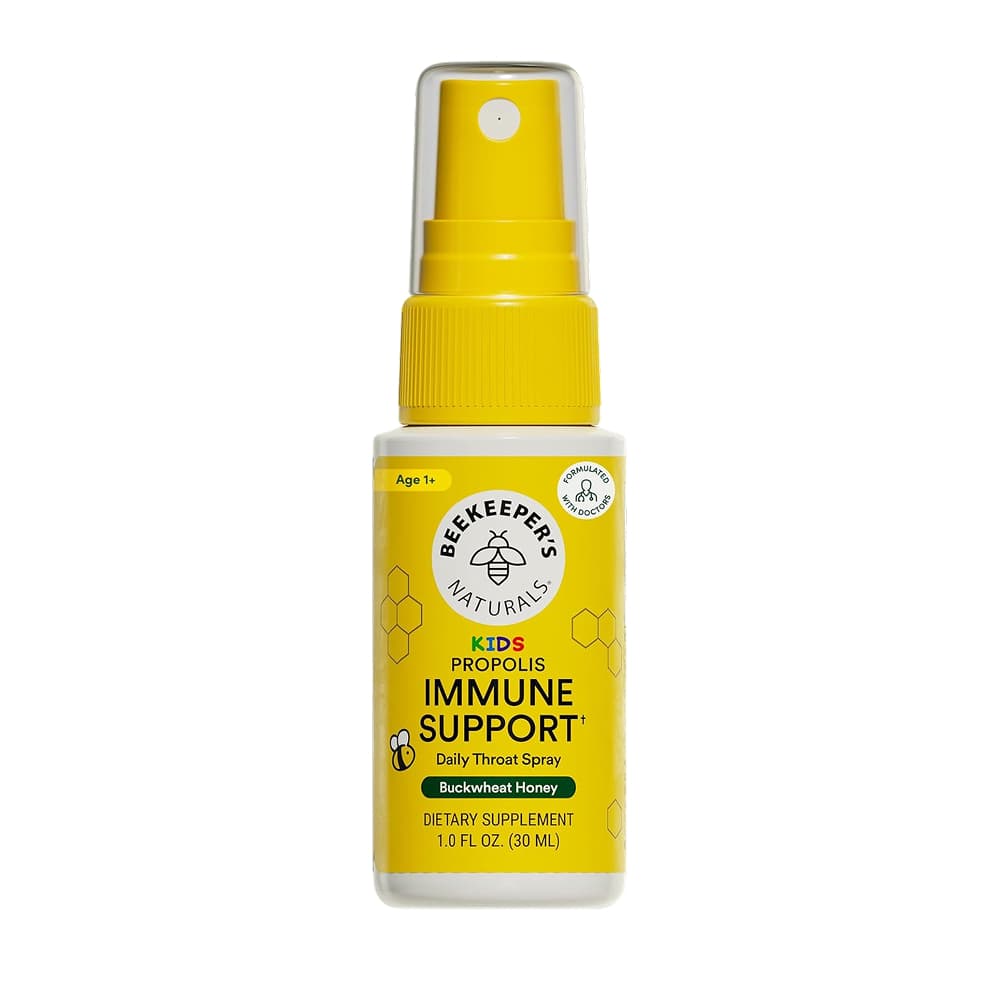
Beekeeper's Naturals
Beekeeper’s Naturals Kids Propolis Throat Spray is the best treatment for kids.
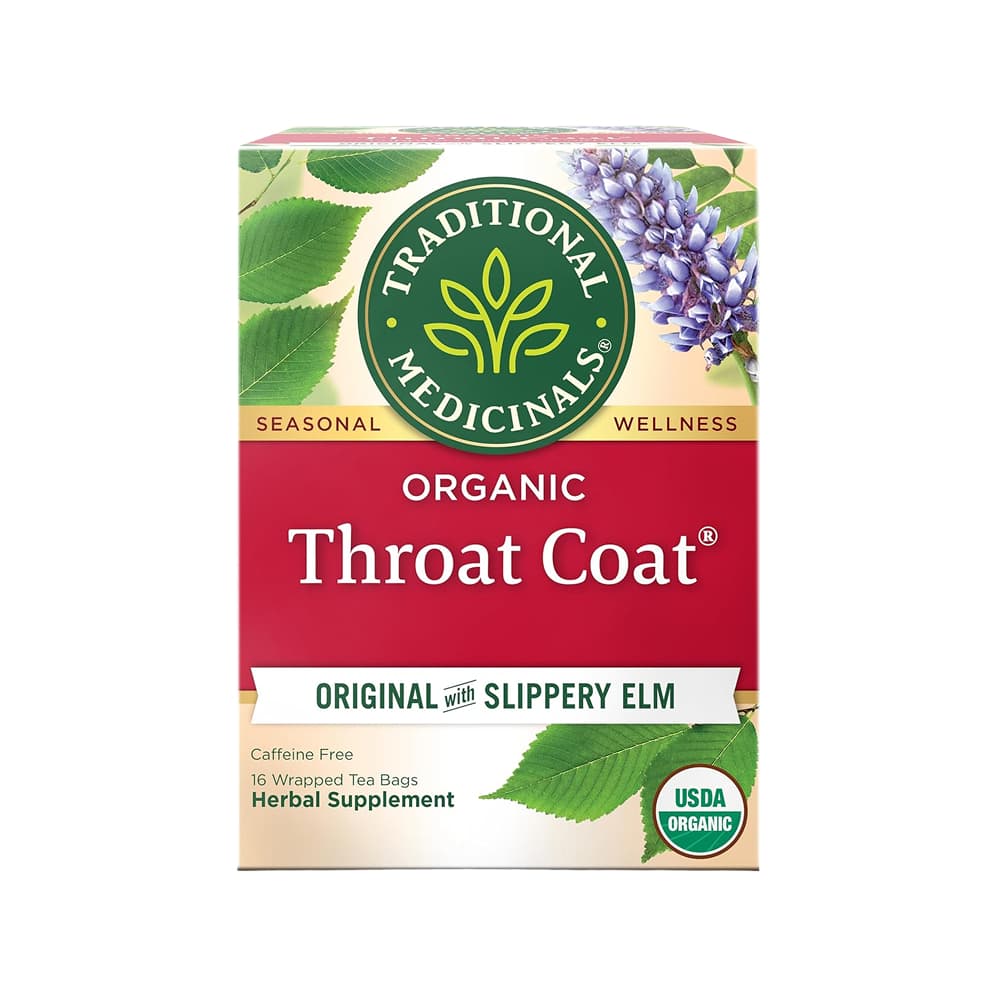
Traditional Medicinals
Traditional Medicinals Throat Coat Tea is the best tea option.
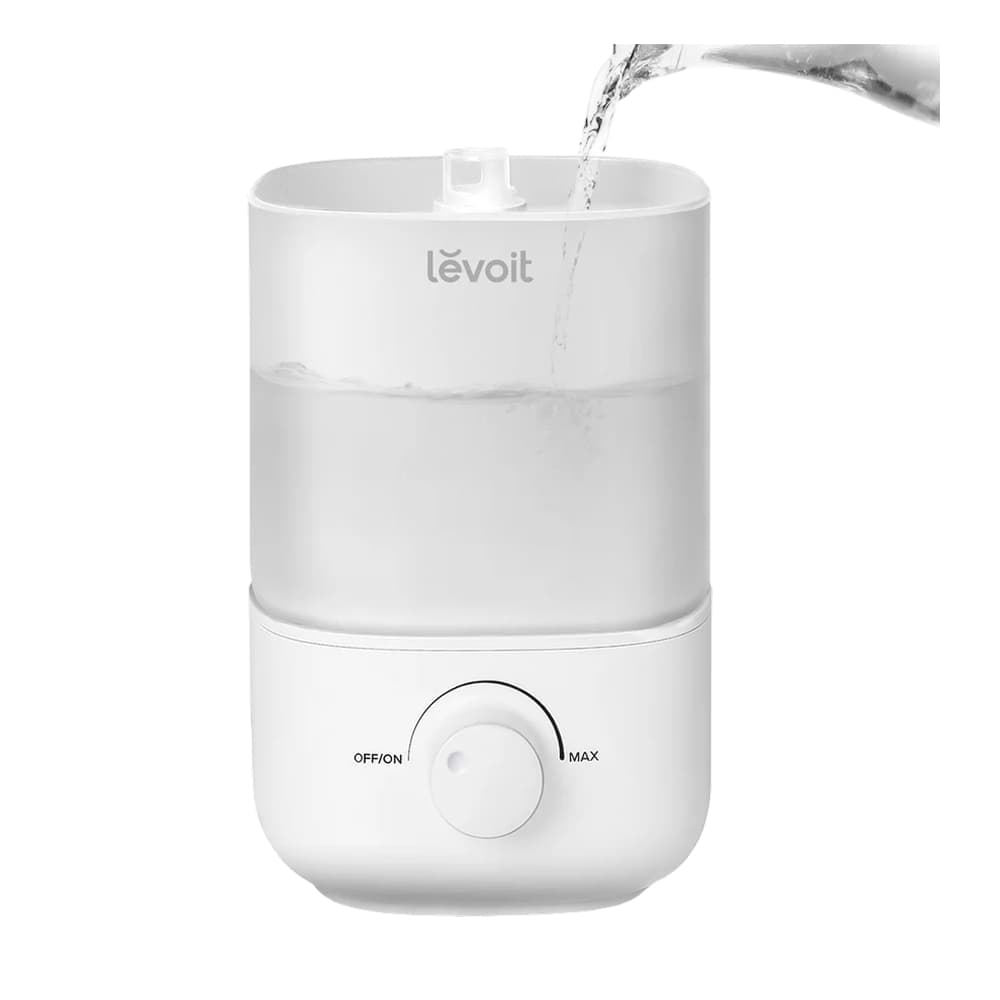
Levoit
Levoit Top Fill Humidifier is the best humidifier for dry air relief.
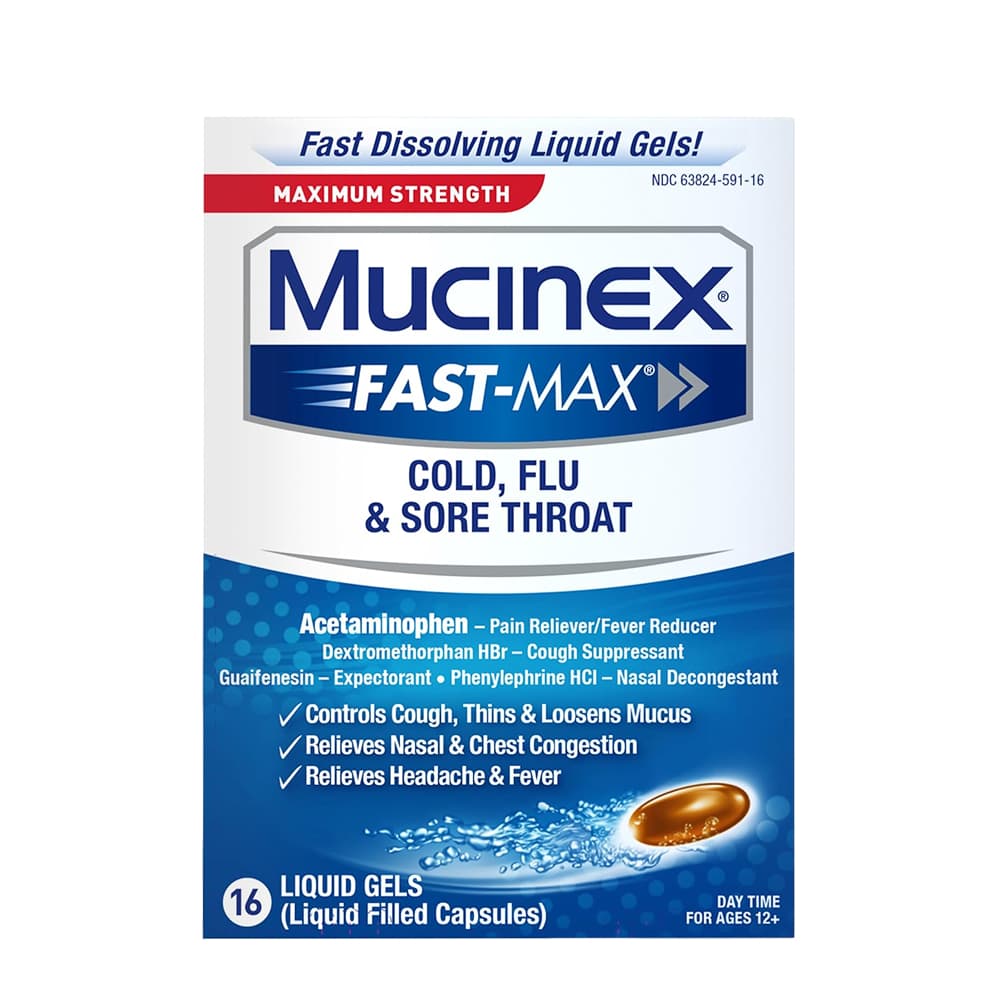
Mucinex
Mucinex Fast-Max Liquid Gels, Cold, Flu, & Sore Throat is the best option for all-in-one relief.
Here’s the full list of the best at-home sore throat treatments, according to experts.
well said
Naomi Watts Will Take Your Questions

People slide into the celebrity's DMs all the time for menopause advice. Including how to handle the weird symptoms. Here’s what she tells them to do.
No Notes
well aware
Bless Our Hearts
Your therapist is familiar with your anxiety. Your OB-GYN knows about your complicated pregnancy. Is the doctor who checks your blood pressure aware of either? Four major medical groups, including the American Heart Association, want to connect those dots. Their new guidance calls for a more complete picture of women's heart health, from your first period through menopause and beyond.
Why does this matter? Heart disease is the leading cause of death among women, yet some of its warning signs may be hidden in medical histories that rarely make it to a cardiologist. Pregnancy complications like preeclampsia and gestational diabetes can signal higher cardiovascular risk later in life. So can conditions like polyendocrine metabolic ovarian syndrome (PMOS). “There's a whole list of what we call non-traditional risk factors or unique female-specific risk factors that doctors aren't asking women about,” says Amy Ahnert, MD, a cardiologist with Atlantic Medical Group. In other words, your reproductive history is part of your heart history.
And it's not all physical. Anxiety, depression, and chronic stress deserve a place in that conversation, too. Adrenaline can temporarily raise your heart rate and blood pressure, while prolonged exposure to psychological strain may contribute to inflammation and hypertension. Mental health conditions are also associated with greater cardiovascular risk. A tough week won’t cause heart disease, but your doctor does need the full picture to conduct a proper assessment.
For Your Sanity:
Know your numbers. Ask about your blood pressure, cholesterol, and blood sugar, along with how often you should check them. Your results can help identify risks before symptoms appear.
Don't leave your OB-GYN history at the door. Mention irregular periods, pregnancy complications, and conditions like PMOS, even if they happened years ago. Those details influence how your doctor evaluates your cardiovascular health.
Connect the mind and body. Share relevant diagnoses, including anxiety, depression, and eating disorders. If the advice you get in return amounts to “exercise more and eat better,” take a cue from Ahnert and ask, “What does that even mean?”
Together with Johnson & Johnson
Fresh Start
While everyone’s talking about fresh starts in the new year, that may feel out of reach for some — especially when depression symptoms take over. But what if this year could be different?
If you’ve tried multiple traditional antidepressants and you’re still experiencing lingering depressive symptoms, you may have treatment-resistant depression (TRD).1 The new year is the perfect time to advocate for a treatment plan that is best for you. Reach out to a doctor or specialist to explore different treatment options for TRD. New year, fresh start.
well said
Naomi Watts Will Take Your Questions
People slide into the celebrity's DMs all the time for menopause advice. Including how to handle the weird symptoms. Here’s what she tells them to do.
Live Smarter
Sign up for the Daily Skimm email newsletter. Delivered to your inbox every morning and prepares you for your day in minutes.